
KUALA LUMPUR – Social and political activists have expressed dismay and consternation at news that natives in Sarawak without formal identification documents are being barred from getting vaccinated against Covid-19.
They say that the government should exercise greater accountability in its handling of the pandemic, especially in relation to such disenfranchised and marginalised people.
The authorities should also take the initiative to both vaccinate and register such individuals.
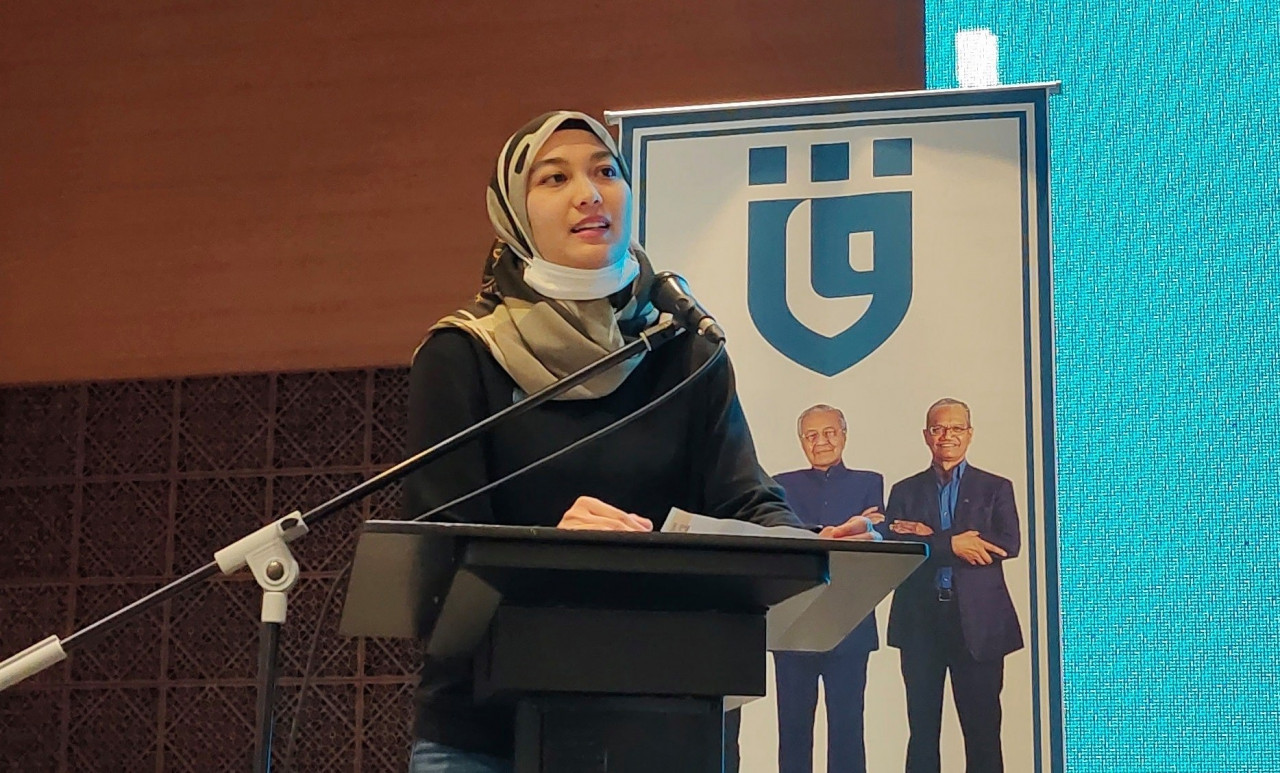
Nadia Malyanah, research lead at Undi Sarawak, told The Vibes that the government is well aware of the issue of statelessness. However, the dispensation of the vaccine should not be contingent on whether the recipients hold formal identification.
Stateless individuals in Malaysia are often deprived of education, employment opportunities, and basic protection from the government.
She said the government has the resources to reach out to those in the interior not only to vaccinate them, but also to perform official registration for identification documents.
As it is, millions of ringgit have been spent on acquiring and distributing vaccines, on top of the billions in stimulus packages provided by the government.
If the state government can reach these folk to inoculate them... why can’t it assist these people to eventually get their identification documents as well?”
According to human rights lawyer Eric Paulsen, the situation faced by the affected natives in being left vulnerable to Covid-19 is very much a result of not having been formally registered as citizens by the government.
Paulsen, who is also Malaysia’s representative to the Asean Intergovernmental Commission on Human Rights, stressed that the impact on those affected is “devastating”.
In a tweet, he said: “This is just an example of the misinterpretation of the law, the bureaucracy and inflexibility of the National Registration Dept that have devastating consequences for people who are Malaysian but have been denied identity/citizenship documents.”
This is just an example of the misinterpretation of the law, the bureaucracy & inflexibility of the National Registration Dept that have devastating consequences for people who are Malaysian but have been denied identity/ citizenship documents. https://t.co/Nqb5tuzSbT
— Eric Paulsen (@EricPaulsen101) June 18, 2021
Yesterday, The Vibes reported that indigenous Sarawakians were turned away at vaccination centres in central Baram district as they do not possess a MyKad.
Baram People’s Action Committee (BPAC) chairman Philip Jau said his organisation has received information from numerous natives about being prohibited from receiving the jabs when they visited the Long San government clinic in Baram.
“These native farmers told us that when they arrived at the Long San clinic and wanted to register for the vaccination, they were barred from entering by those at the counter because they had no identity cards (MyKad),” he said.
He appealed to the Sarawak Health Department for leniency, warning that there will be tens of thousands of Sarawakians who will not be vaccinated since they are still without birth certificates and identity cards.
It is believed at least 60,000 across Sarawak do not have a MyKad.
Health office to investigate allegation
According to the Sarawak Disaster Management Committee, the local health office has denied the allegation that natives without MyKad had been turned away from receiving the vaccine.
Committee chairman Datuk Douglas Uggah Embas was quoted by The Borneo Post as saying that he had contacted Miri divisional health officer Dr Raviwharmman Packierisamy over the matter.
“Dr Ravi has denied the allegation, saying the department has a mechanism to deal with those not having the Mykad who come for the vaccination,” he said.
“Nonetheless, he will carry out an investigation on the matter,” Uggah added.
Meanwhile, Nadia also pointed to the rise in dead-on-arrival virus victims, and the spread of variants in state interior.
She said this tragedy has occurred not because of criticisms levelled at anyone, but because of shortcomings in the inoculation exercise.

“It’s not simply because we want to point fingers,” she said.
She said that denying that there are gaps in the vaccination programme is not productive.
Instead, the authorities should address the issues that need to be resolved immediately and publicise the results of any investigation.
Earlier this month, Sarawak detected seven cases of the B.1.525 strain – also known as Eta – along with 12 cases of the P.3 strain that was first discovered in the Philippines.
With an estimated 60,000 Sarawakians living without MyKads, the issue has also raised concerns about the impact of being “stateless” on natives who are undocumented.
Meanwhile, Pejuang women’s youth head Nurul Ashikin Mabahwi said that current vaccination registration methods are unsuitable for the indigenous people of Malaysia, especially those in the hinterland.
She told The Vibes that as many of them live deep in the interior and are unable to travel to the cities, the government should engage them by going to their villages or, if possible, from house to house.
Acknowledging that some of these indigenous villagers have not reported their details to the National Registration Department, she stressed that the government should consider their situation and be flexible when it comes to vaccine registration.
“In the end, what we need is herd immunity, so just get them vaccinated without all the hassle,” she added. – The Vibes, June 19, 2021