
KUALA LUMPUR – The public healthcare system in Malaysia has yet to collapse, but it is considered to be “highly strained”, despite the country recording an all-time high of 13,215 Covid-19 cases yesterday, said experts.
Malaysian Medical Association (MMA) president Professor Datuk Dr M. Subramaniam told The Vibes that though public hospitals are seeing an influx of patients, the system has yet to cave in, as measures are being implemented to mitigate the problem.
“The health system has not collapsed, but it is definitely very strained. The number of cases will go up for at least for two weeks, but the public and private sectors will work together.”
“Things will get worse, but in the vast majority of cases, we will win. Vaccinations are going to reach 40% to 50% in three weeks, and things will get better.”
However, he said, people have to cooperate.
Last week, Health Director-General Tan Sri Dr Noor Hisham Abdullah had warned that a daily Covid-19 count exceeding 13,000 will signal the collapse of the healthcare system.
Yesterday, coronavirus cases soared to 13,215, in the country’s third straight day of registering a five-figure tally, which was previously over 11,000.
Public health medicine specialist Dr Sanjay Rampal believes the system is “still functioning”.
“Collapse is a very dramatic word. I would use the term ‘highly strained’ for the central region.
“There is a high utilisation of government healthcare services due to the sudden increase in detected Covid-19 cases in the Klang Valley, but this can be mitigated by recommending that all Categories 1 and 2 cases self-isolate at home.”

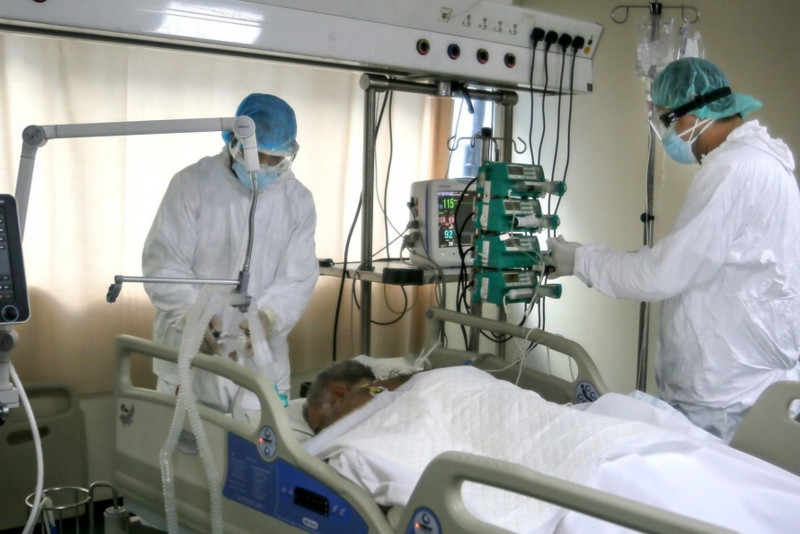
Dr Sanjay, who is also a professor of epidemiology at Universiti Malaya, said those with comorbidities or complications can seek care at Covid-19 assessment centres, while hospitals can be reserved for those who need intravenous medication, intensive care or ventilation support.
“Transmission has been on the increase over the past few weeks.
“A part of the increase in daily reported cases in the Klang Valley is due to the mass testing being performed in enhanced movement control order (EMCO) areas,” he said, adding that widespread community transmission is another reason.
He pointed out that the travel ban across districts and states has outlived its usefulness as a “non-pharmaceutical intervention”.
“The effectiveness of movement restriction is highly dependent on the rate of community transmission.
“The severe movement restriction during the first MCO for a prolonged period was very effective because Covid-19 community transmission was rare.”
Dr Sanjay said the impact of the latest movement limit is likely transient due to high community transmission, with cases likely to increase with its lifting.
The curb is now an inferior intervention due to its decreased effectiveness, temporary effect, and high cost, he added.
Therefore, he said, it must be rarely used as a form of total lockdown, limited to only in times of dire emergency.
He said based on the current vaccination rate, Malaysia should be able to vaccinate 50% of the population by August-end.
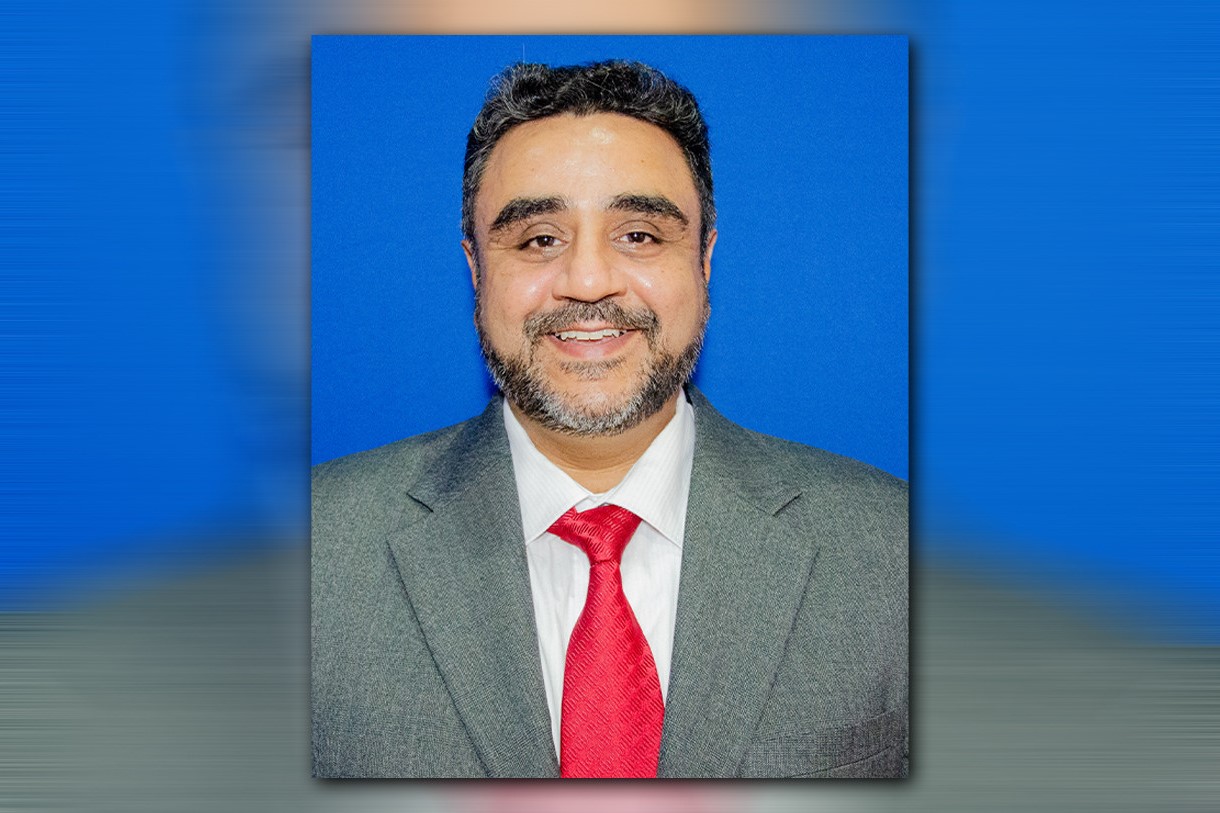
Another health expert, who declined to be named, also agrees that the number of daily cases does not mean a collapse of the healthcare system.
However, the Covid-19 positive rate of 8% or 9% in the country is still “inadequate”, he added, as the World Health Organisation said a rate of less than 5% is an indicator that the pandemic is under control.
“I don’t think the current numbers mean a collapse of the healthcare system.
“To understand whether the system can or cannot manage (the pandemic), we must look at the intensive care unit (ICU) beds and hospital capacity. The more patients we have, the harder it is on hospitals.”
The unnamed specialist said the Health Ministry is increasing its capacity of hospital beds and field hospitals, while moving patients out of the Klang Valley to other regions for support, and bringing more manpower into the Klang Valley.
To determine whether a healthcare system has collapsed, one must study the numbers in ICU wards, he said, adding that one must also take into consideration whether reported daily cases are patients with mild symptoms, or totally asymptomatic.
“One of the most promising things in our country right now is the vaccination drive. That’s our hope right now.”
However, another public health observer, who also requested anonymity, said he believes the healthcare system had collapsed months ago.
“We failed to identify the source of what is happening when we stopped contact tracing earlier this year. Now, cluster-based infections have spread within the community.
“The hospitals are full. If you told me that you were getting 13,000 to 15,000 cases about three or four months ago, I would say that the system had yet to collapse.”
He said the country is now forced to do mass testing because hospitals are packed, and that is a sign of collapse in the system.
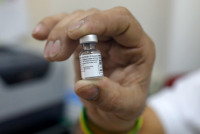
On vaccinations, he said the current rate is at a “good” level, as the country saw a record 420,000 inoculations in a single day on Tuesday.
“This is a marathon, not a sprint. The government must ensure vaccinations are rolled out consistently and at high levels.”
The observer said the country could reach herd immunity by year-end if at least 80% of the population is vaccinated before the pandemic can be declared endemic in the community.
“The 80% must be a reality and not on paper, meaning this will also include migrants and illegal immigrants.” – The Vibes, July 16, 2021