.jpg)

KUALA LUMPUR – Much has been said about the merits of Putrajaya’s historic decision to separate the functions of the attorney-general (AG) and public prosecutor.
The move is touted to help ensure rule of law and avoid conflict of interest, especially in decisions related to advice given to the federal government and legal action instituted on individuals.
However, senior lawyer Datuk Seri Rajan Navaratnam pointed out that besides separating the AG’s current roles, it may be prudent to also review the provisions related to the appointments of both office-bearers.
Speaking to The Vibes, Rajan said pursuant to Article 145(3) of the federal constitution and Section 376 of the Criminal Procedure Code, the AG at present holds dual roles – the legal adviser to the government and public prosecutor.
“Although the AG is appointed by the Yang di-Pertuan Agong, Article 145(1) states that the appointment shall be on the advice of the prime minister.
“Hence, it creates a window for criticism, and brings about the perception or assumption that the AG may be biased in favour of the government in carrying out his duty.”
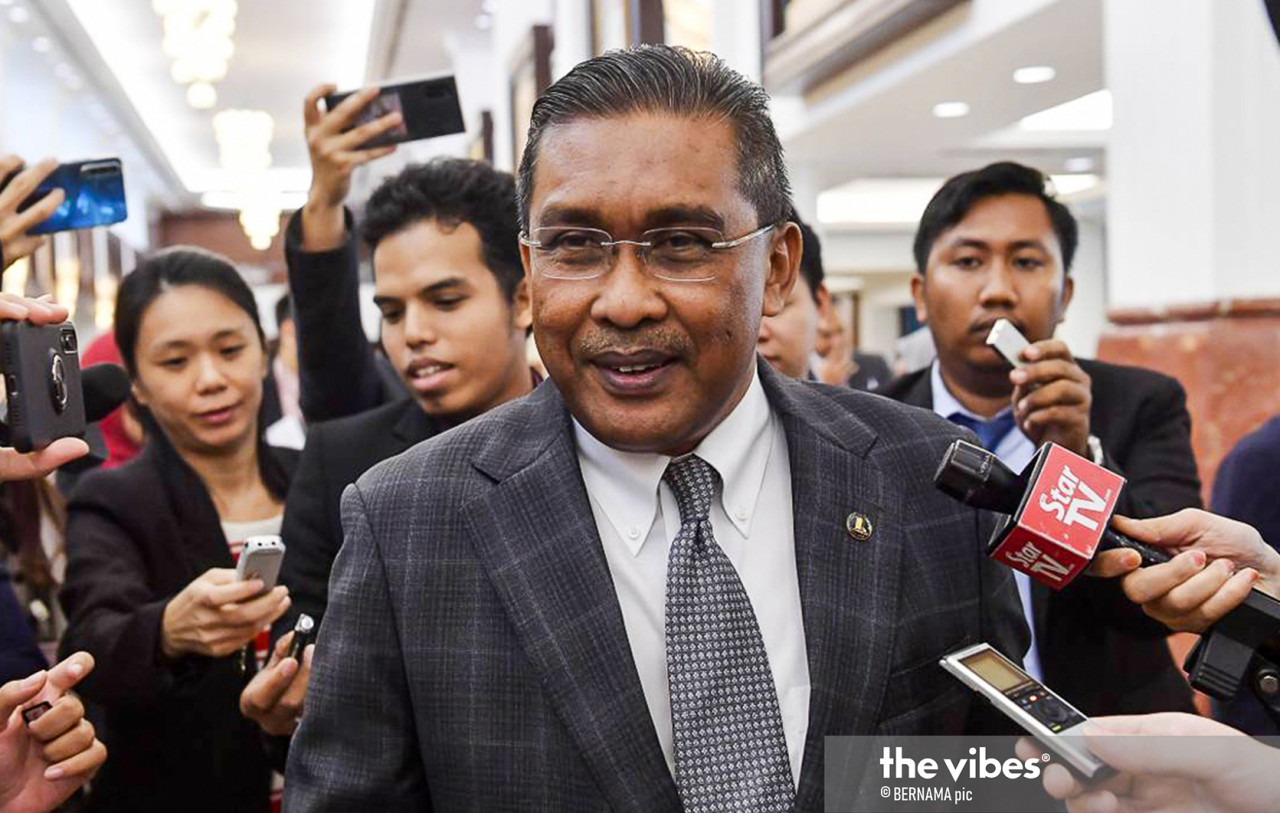
On July 23, Law Minister Datuk Seri Takiyuddin Hassan announced that plans have been initiated to separate the functions of the AG and public prosecutor.
Takiyuddin hailed it as a step to preserve the government’s integrity and public confidence in legal bodies, including the AG’s Chambers (AGC).
Rajan stressed that there may be some advantages in separating both roles. For example, it will allow both to focus on carrying out their duties more efficiently and independently.
However, when it comes to matters of independence and impartiality, the separation of roles may not entirely solve the issue, he added.
In particular, he said, there is also a need to reconsider the provision related to the appointment of the AG.
“At present, the prime minister has absolute discretion on the appointment, thereby creating this negative perception.
“The recommendation and appointment of the AG should not be in the sole hands of one person.”
Citing Singapore’s policy on this matter, Rajan noted that the appointment of the republic’s AG must be agreed upon by both the prime minister and president.
He also pointed to India, where the roles of AG and public prosecutor are kept separate, with the latter appointed for each state by the central government after consulting the high court.
As for the United States, although its AG is nominated by the president, the eventual appointment is based on the advice and consent of the country’s upper legislative chamber.
“So, in these countries, you have a collective decision-making process as opposed to a decision being made by a single person,” said Rajan.
“It serves no purpose to separate the roles of the AG and public prosecutor if the appointment processes for both positions remain the same.”
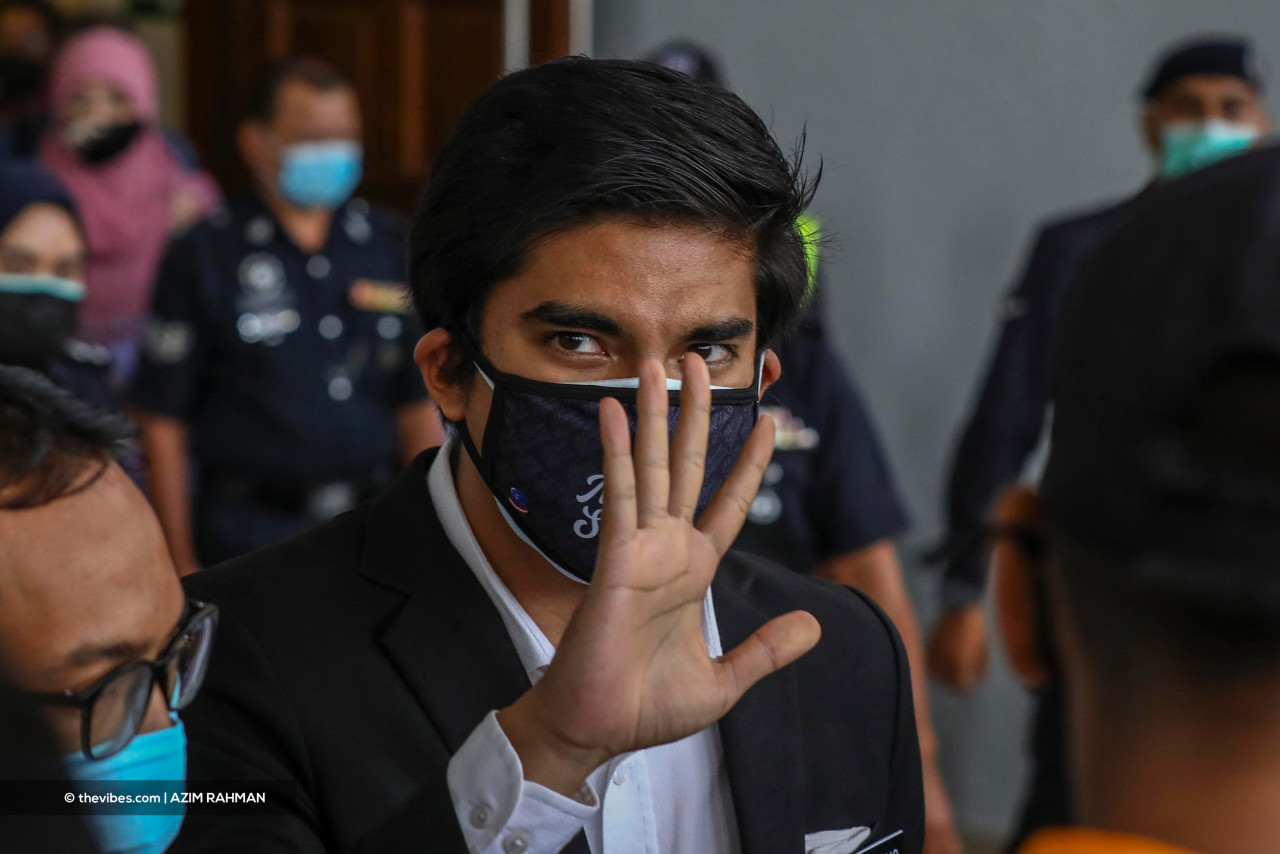
Most recently, the prosecution of Muar MP Syed Saddiq Syed Abdul Rahman has been criticised as having been politically influenced, rekindling the debate on the independence and impartiality of the AGC.
On July 22, Syed Saddiq had pleaded not guilty to criminal breach of trust and misusing donations. He later claimed to the media that he had received threats of prosecution multiple times from the ruling Perikatan Nasional administration should he refuse to join the coalition.
AG can be challenged in court
Meanwhile, Rajan took the opportunity to point out that the powers exercised by the AG may be challenged via the judiciary.
“In the case of Pengarah Tanah dan Galian Wilayah Persekutuan v Sri Lempah Enterprise Sdn Bhd 1978, chief justice Raja Tun Azlan Shah held that the powers of the AG are not unfettered, as every discretion exercised cannot be free from legal restraint.
“And when it is wrongly exercised, the courts have a duty to intervene.”
He said the Federal Court in Sundra Rajoo Nadarajah v Menteri Luar Negeri Malaysia this year held that the AG’s exercise of powers under the constitution can now be subjected to judicial review in appropriate circumstances.
On suggestions that the AG should also be a member of the Dewan Rakyat, Rajan said this could pave the way for him to be influenced by partisan political elements.
It could also make him become caught up with matters related to the parliamentary constituency that he represents, he cautioned.
“If the roles are to be separated, the alternative will be for the AG to report to the law minister, who is then responsible for answering questions in Parliament.” – The Vibes, July 29, 2021
.jpg)