
KUALA LUMPUR – From stopping the relocation of Zoo Negara, which would cause the deaths of a fifth of its animal population, to preserving the nation’s oldest forest reserve, the Malaysian Nature Society (MNS) has been integral in ensuring development does not go unchecked and greed does not prevail.
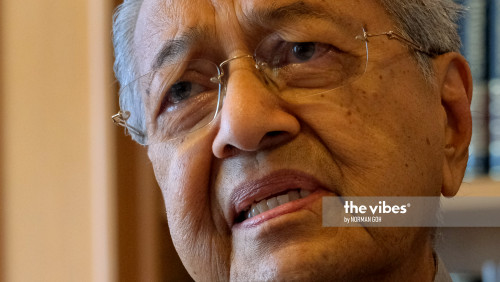
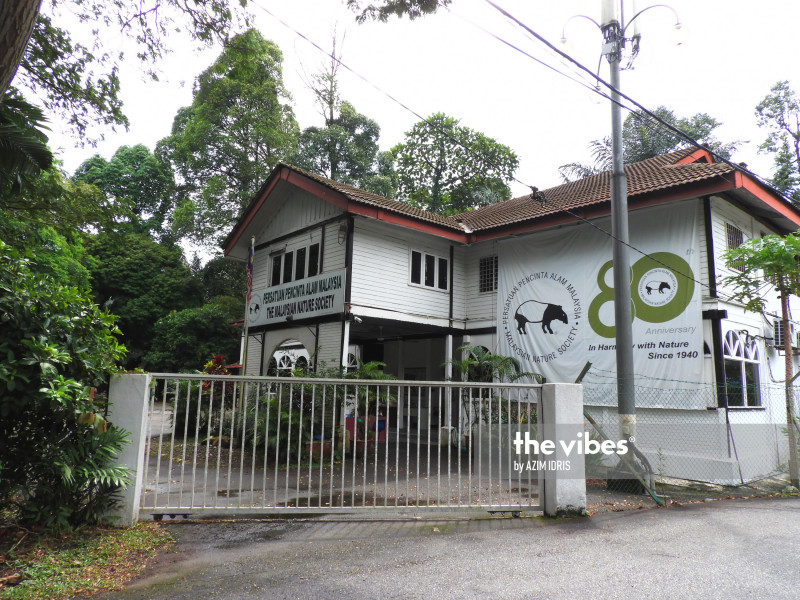
As the non-governmental organisation gears up to celebrate its 80th anniversary this month, senior adviser Tan Sri Salleh Mohd Nor told The Vibes of MNS’ success over politicians and developers who put profit before anything else.
“There was a proposal to relocate Zoo Negara, and we objected to it,” he said of a plan mooted some decades ago.
The move would be fatal to the animals, with MNS estimating that 20% of the zoo residents would die during the relocation process.
“Plus, the (high) expenses involved,” said Salleh, who served as MNS president for 30 years.
“The land would ultimately be given to some corporate guy to build a high-rise. We managed to prevent that.”
In the 1990s, he said, the group was instrumental in preventing the proposed multibillion-ringgit Kuala Lumpur Linear City, which was supposed to be built over a 10km to 12km stretch of Sg Klang.
“We objected to it because the project would have caused drastic environmental problems.”
MNS also opposed a former minister’s plan to link three major hill stations along the peninsula’s central spine, as well as a proposal to build a road connecting Kuala Tahan to the foot of Gunung Tahan, he said.
“The rationale (behind building the road) was to make it easier for people to go up Gunung Tahan.
“But, the idea of going there is to hike and enjoy the forest.. Building a road leading to the foot of Gunung Tahan would open the area to poaching. There would be no control.
“Also, there would a rubbish problem, et cetera. So, that was shelved.”
He said MNS played a key role in protecting the Kota Damansara Community Forest Reserve, which, having been given the designation in the 1800s, is Malaysia’s oldest forest reserve.
“When (then Selangor menteri besar) Dr Mohamad Khir Toyo wanted to carve it (forest reserve) out into parcels, we fought him.
“I went to see him personally to tell him that it is the oldest forest reserve in the country. And, I threatened to tie myself to the first tree that he would cut.”

Fortunately, the state government changed in 2008 following Barisan Nasional’s defeat to the now defunct Pakatan Rakyat, said Salleh.
He said then Bukit Lanjan candidate Elizabeth Wong of PKR had sought support from the community and promised to convert the area back into a forest reserve should the previous plan be executed.
Now, the Kota Damansara forest reserve has a trail named after Salleh.
‘Akin to burning libraries’
Salleh pointed out that Malaysia is recognised in the National Biodiversity Index as one of the 12 countries in the world with a mega-diverse biodiversity.
“And yet, we are losing species, genetic resources, and we don’t know how much. The loss of biodiversity is akin to burning libraries before you have read the books.
“There is so much wealth in biodiversity. How do you know there is no cure for cancer? How do you know there is no cure for many other diseases?”
The former Forest Research Institute Malaysia director-general said deforestation, illegal logging and corruption do not augur well for Malaysians.
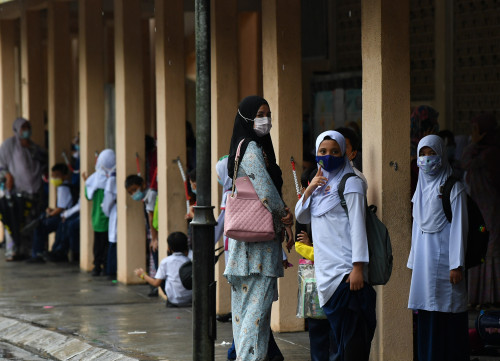
He said one of MNS’ primary efforts is encouraging youth to be involved in nature, adding that the group has helped form nature clubs in some 100 schools nationwide.
“We need more young people because they will be the leaders of tomorrow and the guardians of the country’s resources.”
MNS, established in October 1940 following the publication of the Malayan Nature Journal Volume 1, has seen a decline in membership in recent years, with the number at a paltry 4,000 about four years ago.
There are now just 3,000 active members, most of whom are older folk.
Its membership fee is RM50 a year, and members take part in a host of conservation activities.
“MNS offers members the opportunity to relate to nature,” said Salleh. – The Vibes, November 1, 2020


.jpeg)