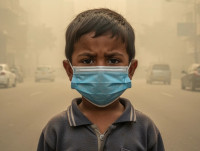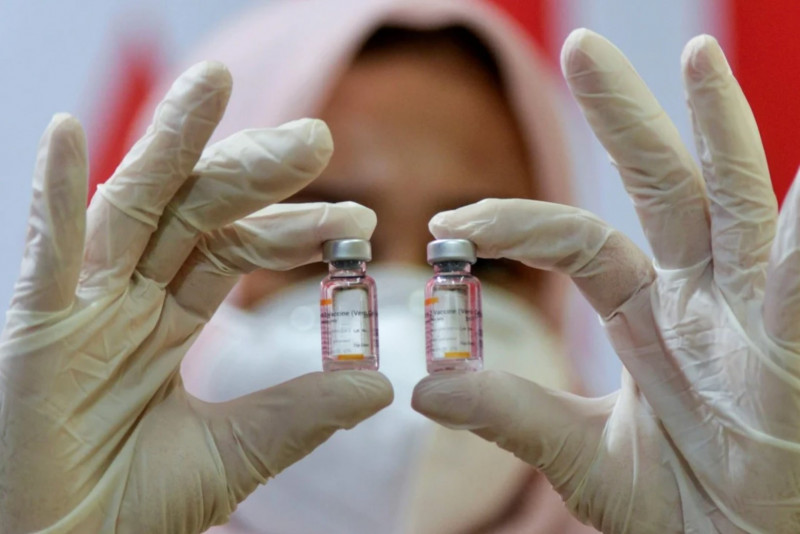

KUALA LUMPUR – Activists and experts expressed shock, trepidation, and caution over attempts to use children under 12 as guinea pigs for pharmaceutical giant Sinovac Biotech Ltd’s Covid-19 vaccine’s third-phase clinical trials.
Speaking to The Vibes, experts have urged Putrajaya to obtain and reveal more data obtained from the Chinese company in order to help Malaysian parents make educated decisions on behalf of their children.
Voice of the Children founding chairman Sharmila Sekaran expressed concerns over the risk of giving children the vaccine, stressing that there are uncertainties on how the jab will affect young children.
“With the Pfizer vaccine, we know boys are at a higher risk of suffering side effects like myocarditis.
“I think it is a bit of a concern and there needs to be more disclosure and transparency in terms of what the trials are.
“We don’t know how long-lasting the effects are and the children may continue to suffer side effects or repercussions when they are adults.
“This needs to be looked into very seriously before any decisions are being made. Parents need to be able to give full and informed consent,” Sharmila told The Vibes.
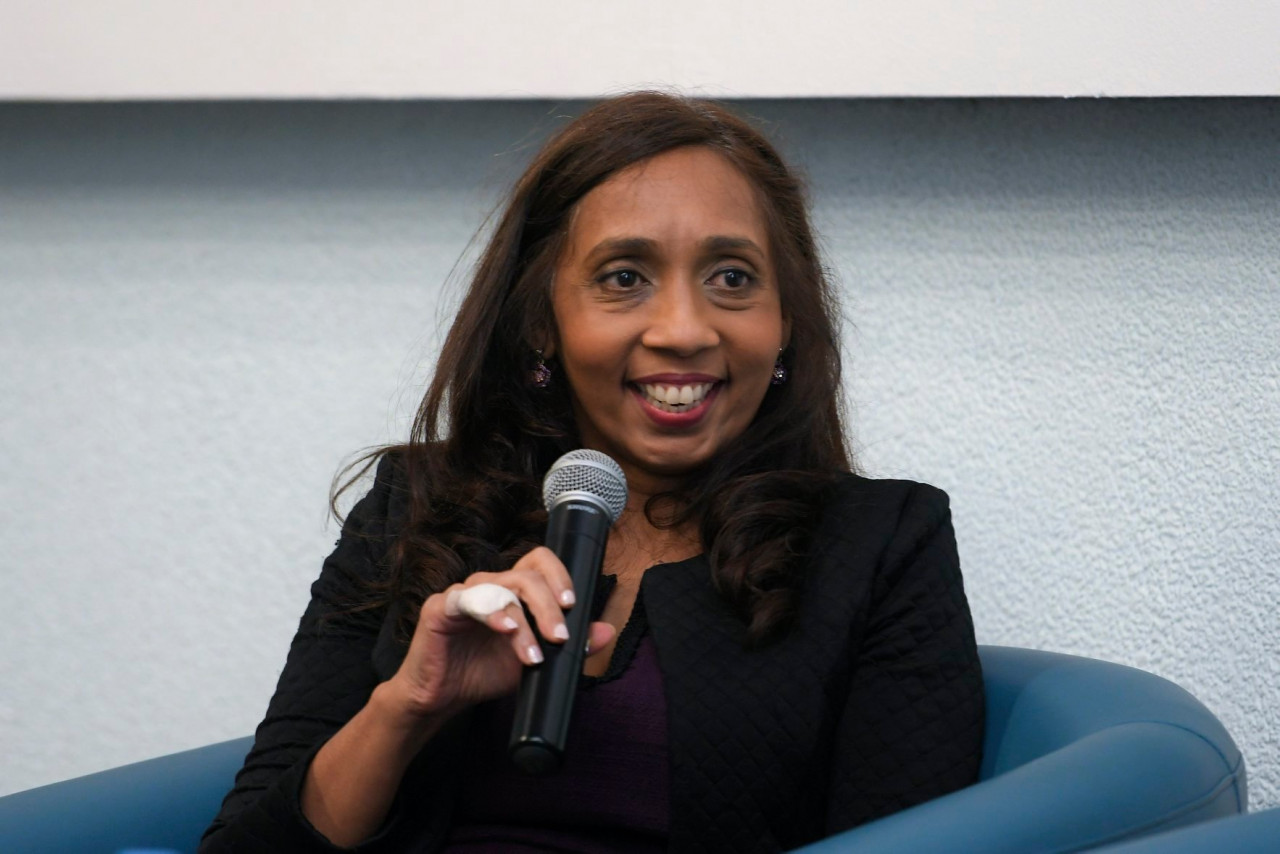
However, Sharmila acknowledged that it is necessary to conduct these clinical trials to evaluate its effectiveness and safety before the Sinovac vaccine is injected into the arms of children below 12 years old.
“At some point, these Covid-19 vaccines will have to be experimented on children because they are the target group.
“The effectiveness of the vaccines may vary depending on communities and ethnic background, so they need to be tested on children who live in Malaysia. There is a possibility that the reality is up to genetics now,” she said.
Prove study is ethical
Dr Sanjay Rampal, a specialist on public health medicine and professor of epidemiology at Universiti Malaya’s Social and Preventive Medicine Department, echoed similar sentiments, commending the government’s plans in efforts to conduct such trials.
However, Dr Sanjay noted it is important that the proposed trial gets medical ethics review and approval before it commences.
“It is important for the trial proposal to be reviewed and approved by a medical research ethics committee.
“The vaccine manufacturer needs to send all relevant documents and prior evidence to prove that the study is ethical.
“It is then up to the committee to assess the ethics of the proposed study. It’s actually difficult to ascertain the ethical components without all the relevant information.
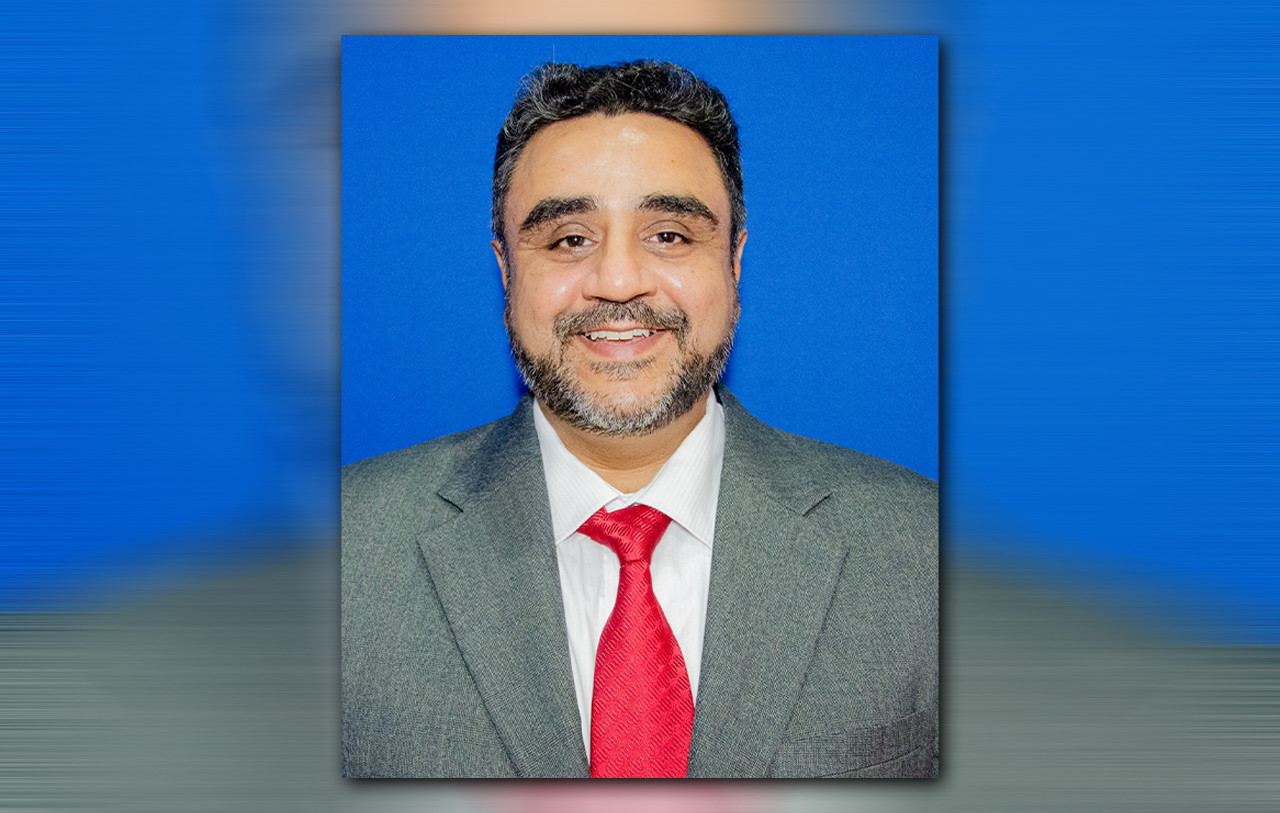
In addition, he called on the government to perform longer-term efficacy evaluations during the trial as short-term efficacy parameters are less useful for children.
“The objective of the trial should include a prevention of transmission efficacy parameter for newly diagnosed Covid-19.”
On the other hand, human rights lawyer M. Visvanathan is of the view that without providing data in a transparent manner, the proposal from the government to execute such trials on children in this country is not a wise move.
“Normally, what happens in clinical trials for data collection exercise is that you’re basically a guinea pig and there will be waivers of liabilities – that means in the event if something happens to you, the government will not be held liable for any loss, damage, or repercussions as a result of the vaccination exercise.
“Therefore, before we even advocate for such trials on our own population, there must be data coming from the country of origin,” Visvanathan told The Vibes.

Although he dismissed the notion that conducting clinical trials on children is a violation of the Child’s Act, he said the exercise could possibly endanger children.
“These are all uncharted territories, we don’t know the implications.
“We can only charge somebody under the Child’s Act if we know somebody is deliberately endangering the child’s life or something along those lines.
“In these circumstances, to sign off liability indemnity to indemnify the government for these trials would be, in my opinion, a little reckless,” he said.
Yesterday, Deputy Health Minister II Datuk Aaron Ago Dagang told the Dewan Rakyat that the trials are expected to begin at the end of this month.
Aaron said that they will be carried out at 10 research locations involving eight facilities under his ministry, Universiti Malaya, and Universiti Teknologi Mara.
The Kanowit MP added that apart from the vaccine by the Chinese company, the other Covid-19 vaccine that is being studied in the third phase for children is one by United States-based Novavax.
“Several discussion sessions had been held by the Health Ministry with a few vaccine manufacturers to get their latest data on vaccines for those below 12,” Aaron said.
“However, we have yet to receive the data needed from the companies producing the Covid-19 vaccines,” the GPS lawmaker said when replying to a question raised by Wong Kah Woh (Ipoh Timur-PH) in the Dewan Rakyat yesterday.
Wong had asked if the government has started looking into vaccine efficacy in children under 12 and if any dates have been obtained from vaccine manufacturers on when the vaccines can be administered.
Aaron also acknowledged that Pfizer-BioNTech had published on September 20 its third-phase clinical vaccine trial findings for children between 5 and 12 years old.
“The vaccine was found to be safe and showed a strong neutralising antibody reaction,” he said.
“On October 15, Pfizer-BioNTech had submitted its findings to the United States Food and Drug Administration and European Medicines Agency,” he added.
In addition, Aaron said China has approved two vaccines produced by Sinovac Biotech and Sinopharm for emergency use on children between the ages of 3 and 17.
“Phases 1 and 2 of clinical trials showed that the vaccines are safe and produced an increased immunity reaction among children and teenagers,” he said. – The Vibes, October 27, 2021