KUCHING – Sarawak is in the midst of an election buzz. No date has yet been set for the dissolution of the state assembly but political parties have opened their war rooms and are hitting the ground running.
Pushing for one-upmanship and getting ahead of the pack seems to be the new order under the shadow of a historic pandemic for parties and their candidates.
Chief Minister Datuk Abang Johari Openg is tight-lipped as to when the 12th state election will be held but his silence has triggered a guessing game among kopitiam folk and politicians.
One opposition party insider told The Vibes he has reliable information that nominations will be held on November 13, and polling on November 27 or 28.
“It is clear that the ruling Gabungan Parti Sarawak (GPS) government is avoiding Undi18,” he said like a seasoned go-to tipster while referring to the lowering of the voting age from 21 to 18 by the end of the year.
He said that Prime Minister Datuk Seri Ismail Sabri Yaakob’s lightning visit to Sarawak on Saturday, when he announced that 50% of the entire budget for basic federal development will be awarded to Sarawak and four other states, is another indicator that the state election will be held in November.
“Perhaps this is the first of many more goodies to come, while others might be announced during the campaign period in November,” he added.
Though many opposition party leaders openly wish for the polls to be postponed for the sake of public health, when push comes to shove, no one is going to stand and watch from the sidelines or declare a walkover.
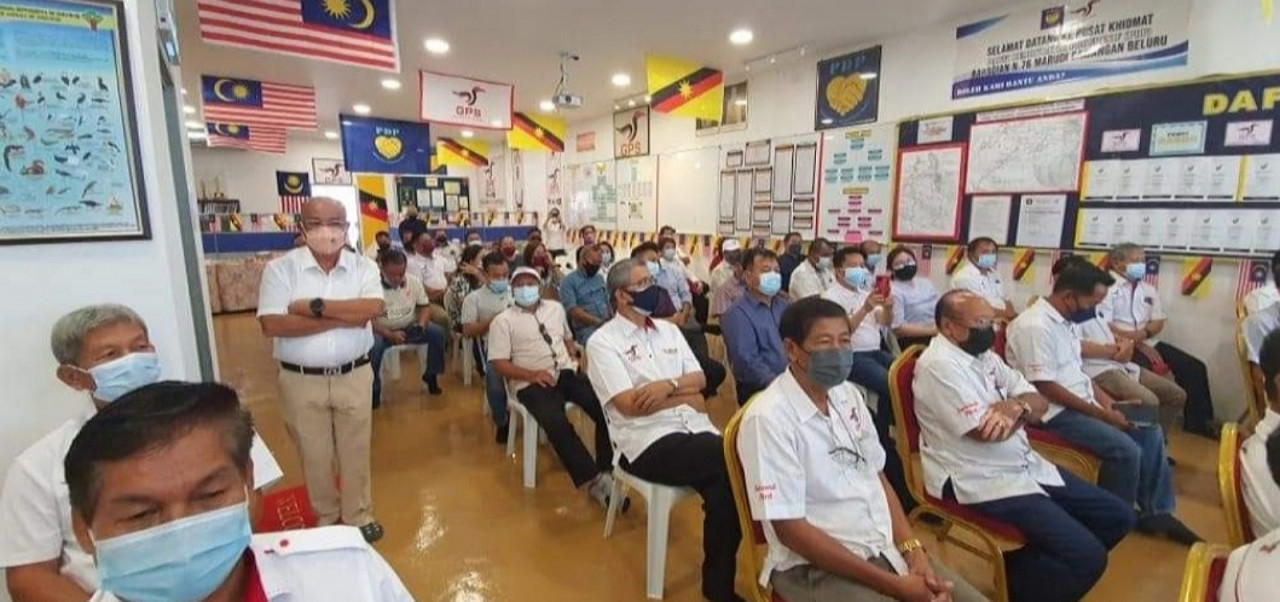
Calls to delay the polls have gained traction following the death of state deputy chief minister Tan Sri James Jemut Masing, 72, yesterday.
The Parti Rakyat Sarawak president and Baleh assemblyman succumbed to heart complications, which he developed after having contracted Covid-19 in late September.
As it becomes more apparent that the election will be held anytime now, Ba’kelalan assemblyman and Selangau MP Baru Bian recently called on the ruling coalition to defer it to next year.
“Put people above politics,” he said, apprehensive that the statewide event may trigger an increase in large-scale Covid-19 infections, clusters and fatalities like it did after the Sabah election.
“Every sane person knows that the only motivation for GPS to want the election this year is to avoid the Undi18 vote bank. To hold the election while Covid-19 cases are still high in parts of Sarawak would only confirm to all Sarawakians that the GPS leaders prioritise politics over the people’s lives,” he said.
According to him, Sarawakians are not ready for elections, and the turnout may be low if the polls are held in the next few months.
“It would be more prudent to wait until the Sarawak emergency is over,” he added.
‘Dayaks are waking up’
According to another opposition stalwart, people are against the idea of hosting an election now due to the seriousness of the Covid-19 pandemic.
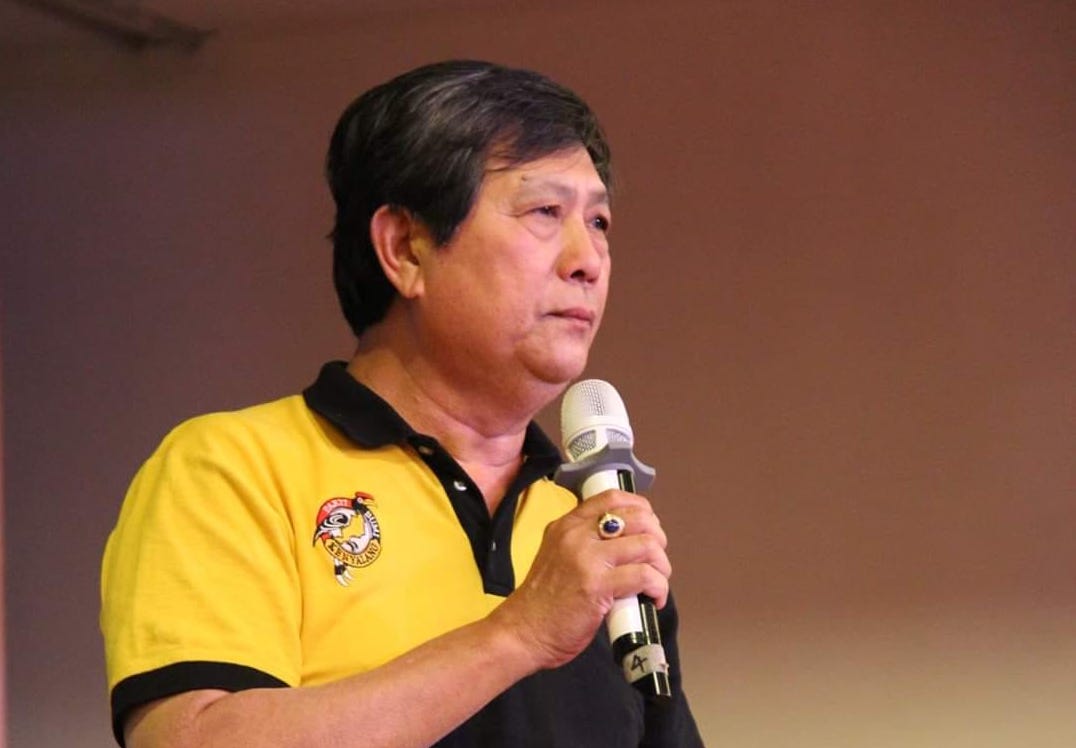
Parti Bumi Kenyalang (PBK) president Voon Lee Shan said: “If elections are held in November, voter turnout will be very low and many aspiring candidates may also decline to join in the battle for votes.
“Low voter turnout may not work as an advantage to parties and candidates in the GPS coalition. Those who are pro-government may think GPS will win hands down any which way, and so may not leave their homes to vote for candidates from the GPS stable.
“But opposition parties pushing for independence for Sarawak in their manifestos may gain larger voter support as these voters know that it is parties pushing for an independent Sarawak that needs their support and will cast their vote accordingly,” he added.
“GPS may hope the votes among opposition parties will be split, but this will not happen,” the lawyer-turned-politician promised.
He also foresaw doom for peninsula-based parties PKR and DAP.
According to him, these parties may find it tough to gain the voters’ mandate as both had failed in their promise to clinch the 20% oil and gas revenue agreement for Sarawak when they were in power for 22 months under the Pakatan Harapan.
He said a seat won by PKR and DAP will be perceived by Sarawakians as a seat taken away from Sarawak, and that means a diminishing of their rights accorded under the Malaysia Agreement 1963 (MA63).
“From on-ground sentiments, Sarawakians especially in urban areas have become sentimental and are shifting their support to home-grown parties,” Voon said.
“The Dayaks are waking up now. They may take whatever goodies people give them but this will not necessarily turn into votes at the polls.”
Whether elections are held this year or next year, he said, PBK is ready and fired up for the hustings. In recent months he has increasingly used social media, especially Facebook, to push his “independence for Sarawak” mantra.
Four-wheel drives decked out in party livery are commonly seen in town centres, with partymen issuing leaflets and reaching out to voters in food courts and popular street corners.
He said the state election will be a contest between parties pushing for an independent state and those who still want Sarawak to remain a footstool of the federal government.
“PBK has a strong following because it is able to put candidates in all 82 seats to create shocking upsets for big players like GPS and Parti Sarawak Baru,” he said.
Grassroots party ups the ante
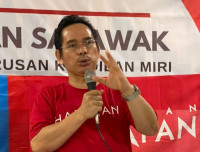
The former State Reform Party, now known as Sarawak People’s Aspiration Party or Aspirasi, in branding itself as a grassroots party, makes for another tenacious contender vying for seats.
“Suffice to say, Aspirasi is a grassroots-based outfit made up of ordinary people sharing one common aspiration for Sarawak, which is independence, prosperity, and harmony,” said party president Lina Soo.
However, Soo is hoping the election will be pushed to a later date next year as the state is not out of the woods yet in the present Covid-19 climate.
“But if it is held next month we are ready and willing to pit our strengths because we have big aspirations for the people of Sarawak,” she said.
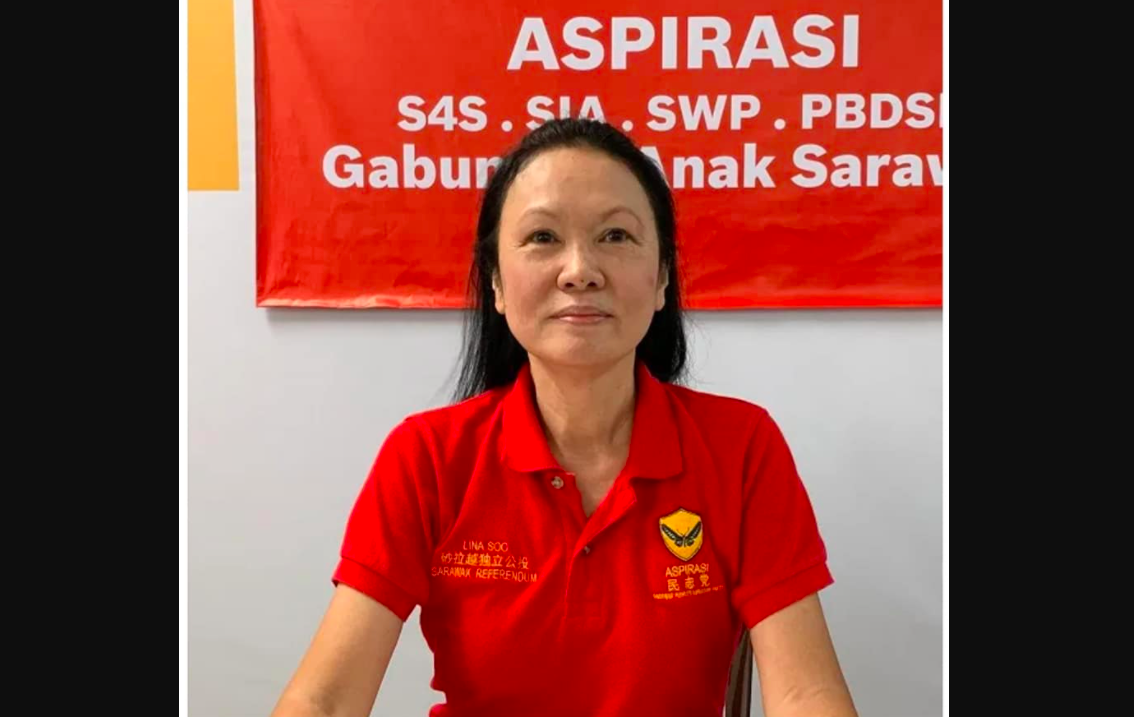
Soo said that the party has always stayed in touch with the grassroots and has never gone off the radar since the 2016 state election and 2018 general election.
She said potential candidates have been going to the ground to reach out to the grassroots for the past few years, though recently, such initiatives had been interrupted by movement control orders and lockdowns.
“But we have continuously vocalised our aspirations in the daily newspapers and online news portals on issues close to the people’s hearts today as well as matters of paramount importance for our future generations.
“Now that elections are imminent, we have also been holding live chat sessions on Zoom and Facebook, where our candidates have shared their views, at least five times a week to up the ante.
“Aspirasi wants to lift the urban and rural poor out of poverty. No Sarawakian shall continue to live in poverty as we have experienced for the last 60 years. Many of our Sarawakians are still without basic needs such as clean water, electricity, healthcare, sanitation, internet, public transportation, health facilities, and educational opportunities.”
She said Aspirasi hopes to bring change once it is elected into the state assembly and takes the podium.
“Our elected representatives shall be the people’s servants to carry the people’s voice and articulate our vision and aspiration for our state and nation.”
She added that the party is guided by Sarawak’s nine cardinal principles of the Rule of the English Rajah, the preamble to the Sarawak Constitution 1941, which states that “the people of Sarawak shall be entrusted with the ultimate goal of self-government, to realise their destiny and aspiration for Sarawak independence”.
Soo also disclosed that she will be pitching her candidacy for the Padungan state seat, which is the main city area of Kuching. The seat is currently held by DAP’s Wong King Wei, who has since resigned from the party but agreed to finish his term.
In addition, Aspirasi will be pitching candidates in four other seats in Kuching with a large Chinese-based majority, as well as in Bintulu, Miri, and four other Chinese-majority areas in Pelawan, Bukit Assek, Dudong and Repok.
She said the party will announce its candidates for constituencies with mixed demographics and in Dayak hubs after the dissolution of the state assembly.
Vote of the small man
Only in recent elections have state polls in Sarawak, especially for urban voters, become more riveting and fought on the lines of polarity.
A new dawning has come upon them to fight corruption, poverty, high cost of living, inflation, and the all too thorny issue of the unfulfilled MA63. As Voon put it: “There is a new awakening among the Dayaks.”
However, for some folks in rural enclaves, every election is a much of a muchness, so it does not matter who rules the fort.
Factory worker Lawrence Rubet puts it succinctly in colloquial expression: “Semua pun sama, dua kali lima! (Each candidate is no different from the other).”
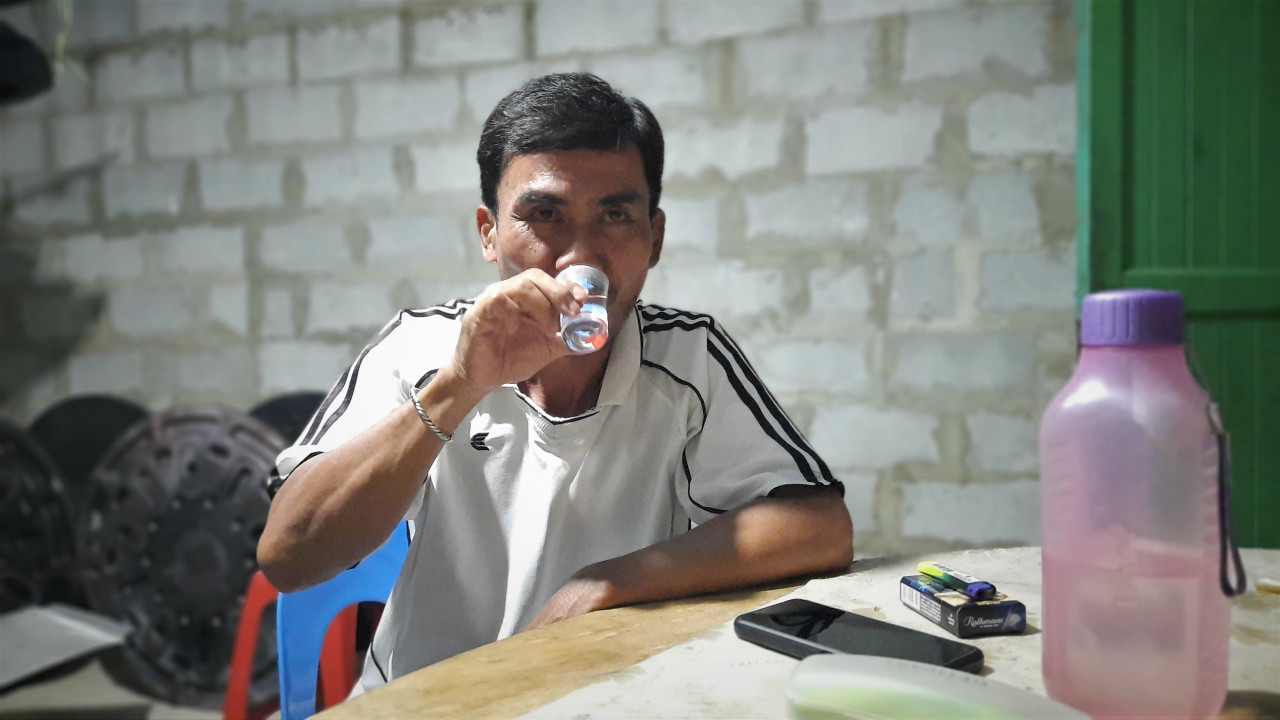
“I have voted many times before. I have attended the ‘ceramah’. I have heard candidates promising to uplift the poor and bring change,” he said. “When I look back now, nothing has changed. The rich get richer while the poor remain poor or become even poorer as we had experienced during the pandemic lockdowns several times over this year.
“Nothing concrete happens on the ground after the elections. Years ago a candidate promised me he would get some allocation for me to connect electricity to my house with my own meter, as I was sharing power from my neighbour’s house. I never saw him again after the election. I paid a contractor to do the job for me.
“Who does not want change? All of us want it, but all these promises are so remote and so far-fetched, it is hard to trust anybody,” Lawrence lamented, sipping langkau – the poor man’s trademark homemade liquor.
To a large extent, this is the average attitude towards the state election. The exasperated rural voters’ main concerns are bread-and-butter issues and providing for their schoolgoing children.
However, when asked if he will go out and cast his vote, Lawrence replied in the affirmative: “It is my right, is it not? Everybody will go out to vote, so I, too, will be voting.”
When Lawrence sets foot to cast his vote in the polling district of Seratau under the Mambong constituency, he will be among more than 1.1 million eligible voters for whom election machineries are firing up now and candidates are vying.
However, it is not certain if his vote will be “a vote for change” or a vote for the sake of voting on the premise of herd mentality.
It will be the lucky candidate who gets his vote. In a small way, voters such as the likes of Lawrence will be the unseen kingmakers. – The Vibes, November 2, 2021