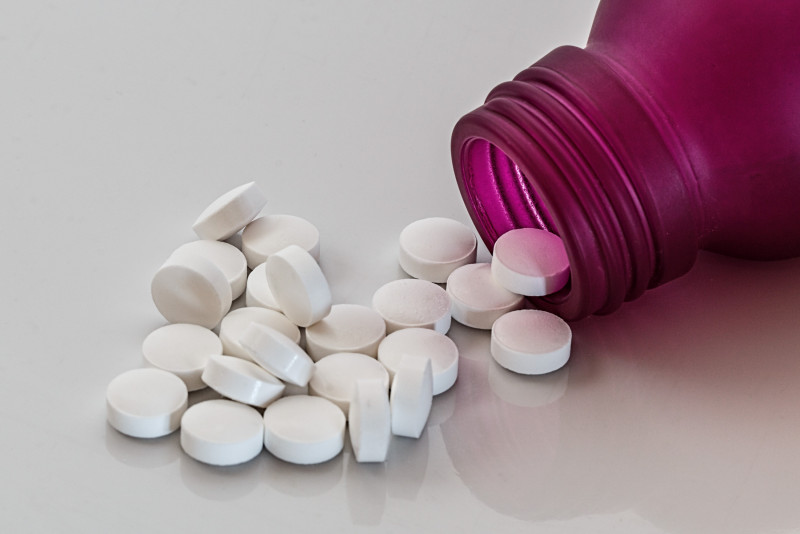
PUTRAJAYA – Increased antimicrobial resistance (AMR) is a worrying threat across the world, including in Malaysia, as it can lead to incurable diseases and increase the risk of morbidity and death, said Health Minister Khairy Jamaluddin.
He said the death rate due to stubborn bacterial infection in patients treated at hospitals was double that of patients with a common bacterial infection.
“In addition, it is estimated 700,000 deaths globally each year are linked to antibiotic resistance issues and, if uncontrolled, is expected to increase to 10 million by 2050,” he said in a speech in conjunction with World Antimicrobial Awareness Week held virtually today.
Khairy said the existence of over 100 antibiotics, either bactericidal (to kill bacteria) or bacteriostatic (to stop bacterial growth) had proved especially useful in speeding up the recovery process but added that the improper and widespread use of antibiotics had resulted in a new problem – antibiotic resistance.
He said AMR occurs when bacteria no longer respond to antibiotics, which become ineffective in treating infections.
Khairy said these stubborn bacteria could spread from one person to another, or through the consumption of contaminated food or beverages, exposure to environmental contaminants, and the eating of livestock-based foods containing high antibiotic residues.
A study on the immune response to E. coli conducted by the Health Ministry together with various agencies in 2019 found that E. coli bacteria have spread widely among humans, animals and the environment in Malaysia.
“This finding is very worrying, and we need to take immediate action,” he said.
In conjunction with the “Stop Antibiotic Abuse and Overuse” campaign, Khairy called on every member of the community to play a role in ensuring that antibiotics are used rationally and prudently to reduce the incidence of AMR.
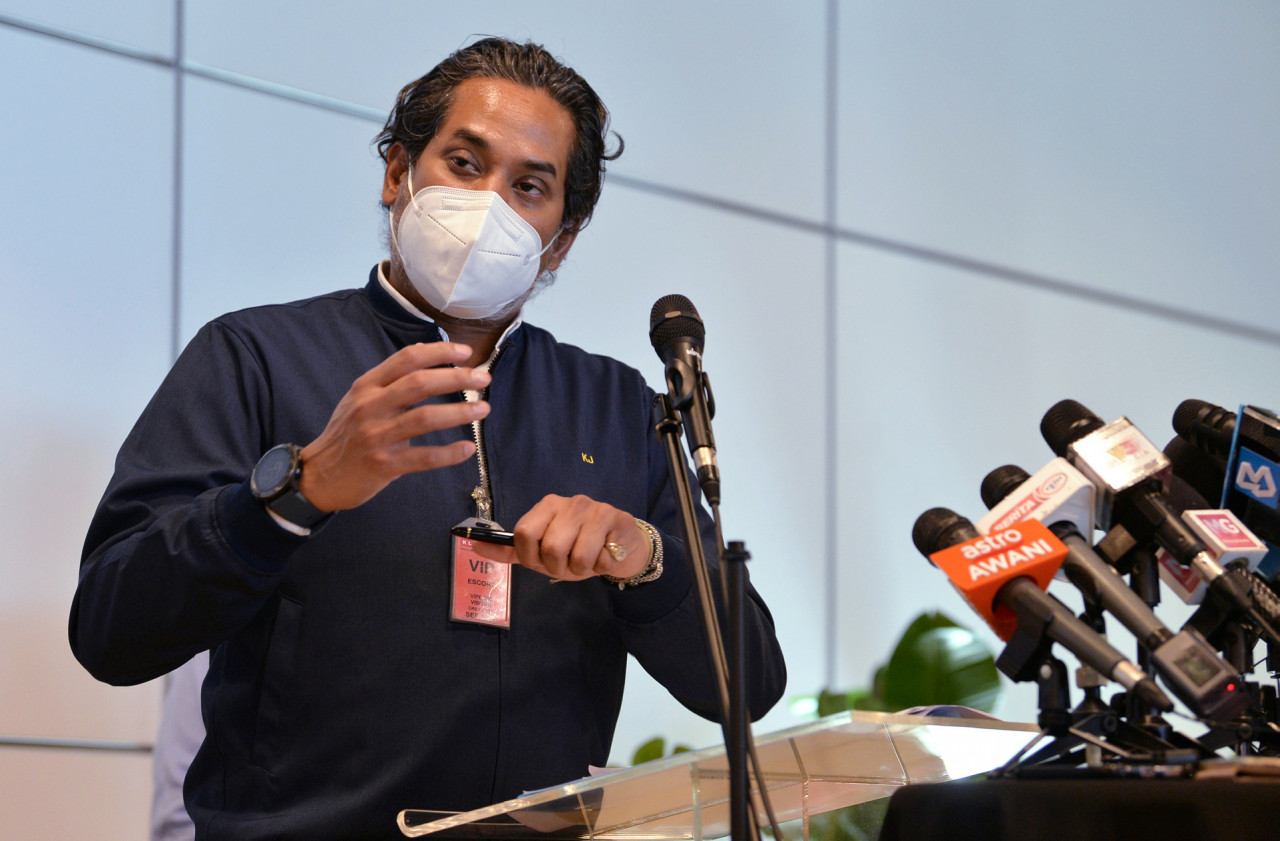
He said the public should understand that not all diseases are caused by bacterial infections.
“Illnesses such as coughs, colds and sore throats, which are caused by viruses, do not require antibiotic treatment as they are ineffective and not needed in such cases. Instead, seek appropriate medical care if unwell.
“A doctor’s prescription is necessary if you need antibiotics. If prescribed, antibiotics must be taken as directed and the course completed accordingly and not shared with others,” he said.
Additionally, Khairy said, to raise global awareness on AMR, the World Health Organisation has this year launched the “Go Blue for AMR” campaign.
“Individuals, communities and organisations are encouraged to join by wearing light blue clothing, or lighting up buildings or monuments with blue lights as a sign of support and solidarity for this campaign.
“On Wednesday (November 24), Malaysia will be joining the rest of the world by lighting up the prime minister’s office here and the fountain at KLCC with hues of blue as (a sign of) Malaysia’s commitment in addressing the AMR threat,” he said.
Khairy said awareness on the proper use of antibiotics is important to maintain the health of the community and future generations.
“Let us work together to fight AMR to ensure the effectiveness of antibiotics in the treatment of diseases in our effort to make Malaysia a healthy and prosperous country.
“At the same time, the public must adopt infection prevention measures by maintaining personal hygiene especially hand hygiene, observing cough etiquette and wearing a face mask when having symptoms, in addition to maintaining food safety and environmental hygiene.
“Avoid public places when feeling unwell and get the recommended vaccinations, such as the influenza and Covid-19 shots to prevent infection,” he said. – Bernama, November 20, 2021