
KOTA KINABALU – Sabah will be conducting another census to collect data on the number of irregular migrants in the state, due to inconsistency in past data on the matter.
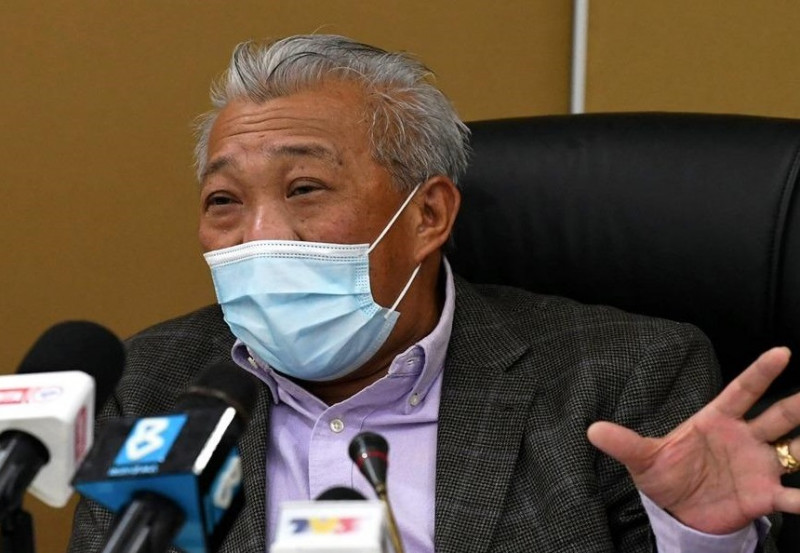
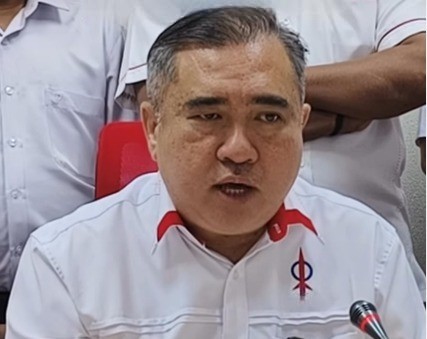
Sabah Deputy Chief Minister Datuk Seri Bung Moktar Radin said that the Special Data Collection Programme, which will start next month, will include all sectors.
“No sectors will be left behind,” he said.
“We have received data from the Statistics Department, National Registration Department, Immigration Department and other departments – and they all presented different numbers (of irregular migrants in Sabah).
“This time, we will conduct thorough data gathering that will include all departments and work sectors, and no one will be left behind in this data collection.
“We want to first have an accurate and synchronised figure to present to both the Sabah and federal governments for them to find a solution to the irregular migrants issue in the state once and for all,” he said.
Bung, who is also Sabah works minister, said this at a press conference after chairing the Sabah Technical Migrant Management Committee meeting here today.
He said the state government has given the exclusive right to Smart Sabah Corporation Sdn Bhd (SSC), a company fully owned by the state government for the data collection job, and to develop the Sabah State Migrant Workers and non-Permanent Resident Integrated Management System to manage all matters relating to migrant workers in the state.
“We have to manage this issue, or else it will forever be a problem for our security, social, welfare, education, and environment, among others.
“There must be a solution to any issue, including the irregular migrants issue in Sabah.
“The problem has been going on in Sabah for many years, and we don’t want the issue to continue until our next generation 40 years to come, where it may then be even more serious than what we are facing now.
“That is why we must put a good platform for the government to make a decision now,” he said.
The data collection process will begin next month and is expected to be completed in six to 12 months, and it will be a continuous annual process to achieve real-time figures. – The Vibes, January 24, 2022











.jpeg)