
KUALA LUMPUR – Malaysia is showing encouraging progress in addressing forced labour concerns despite the move by United States authorities to impose import bans on some companies, said US Customs and Border Protection (CBP) officials.
CBP deputy executive assistant commissioner at the Trade Office, John P. Leonard, said this can be attributed to the Malaysian government’s 2021-2025 national action plan to eliminate the use of forced labour.
In addition, the country’s agreement to ratify the International Labour Organisation’s Protocol 29 and its participation in the United Nations’ sustainable goals to end modern slavery, human trafficking, and child labour have also contributed to such progress.
He said in recent months, the CBP has made engagements with Malaysian private industry players and the government to address forced labour in the Southeast Asian country.
Leonard pointed out that the CBP had held “good dialogues” with officials such as Julau MP Larry Sng, who is Malaysian Palm Oil Council chairman, to gain information on the developments in the palm oil industry.
He said Malaysia is a focus country, as the CBP has issued eight withhold release orders (WROs) instructing the import bans, and two findings on companies that allow for total seizures of products that arrive stateside.
The companies, he said, were mostly in the disposable glove and palm oil industries.
Withhold release orders modified, firms now ‘absolutely free’ to import to US
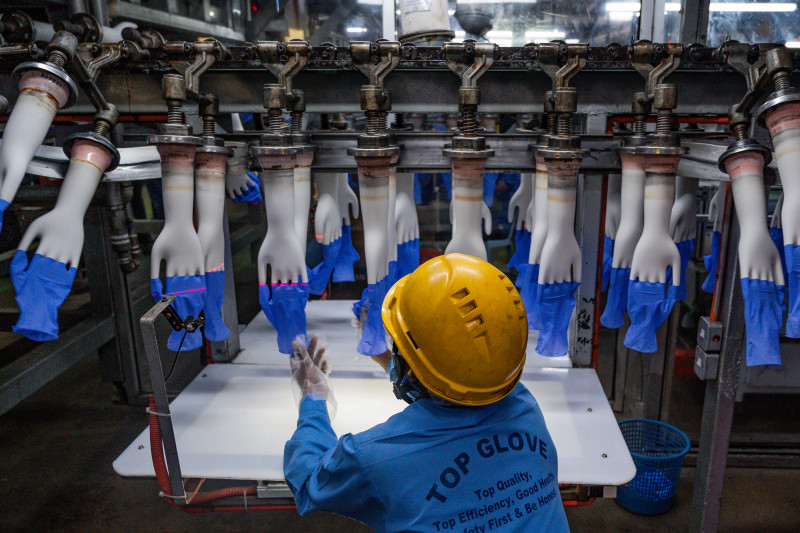
Despite the WROs and findings, Leonard noted that the modification of WROs against companies such as Top Glove Corporation Bhd were “very encouraging signs” of developments in curbing the forced labour situation in Malaysia.
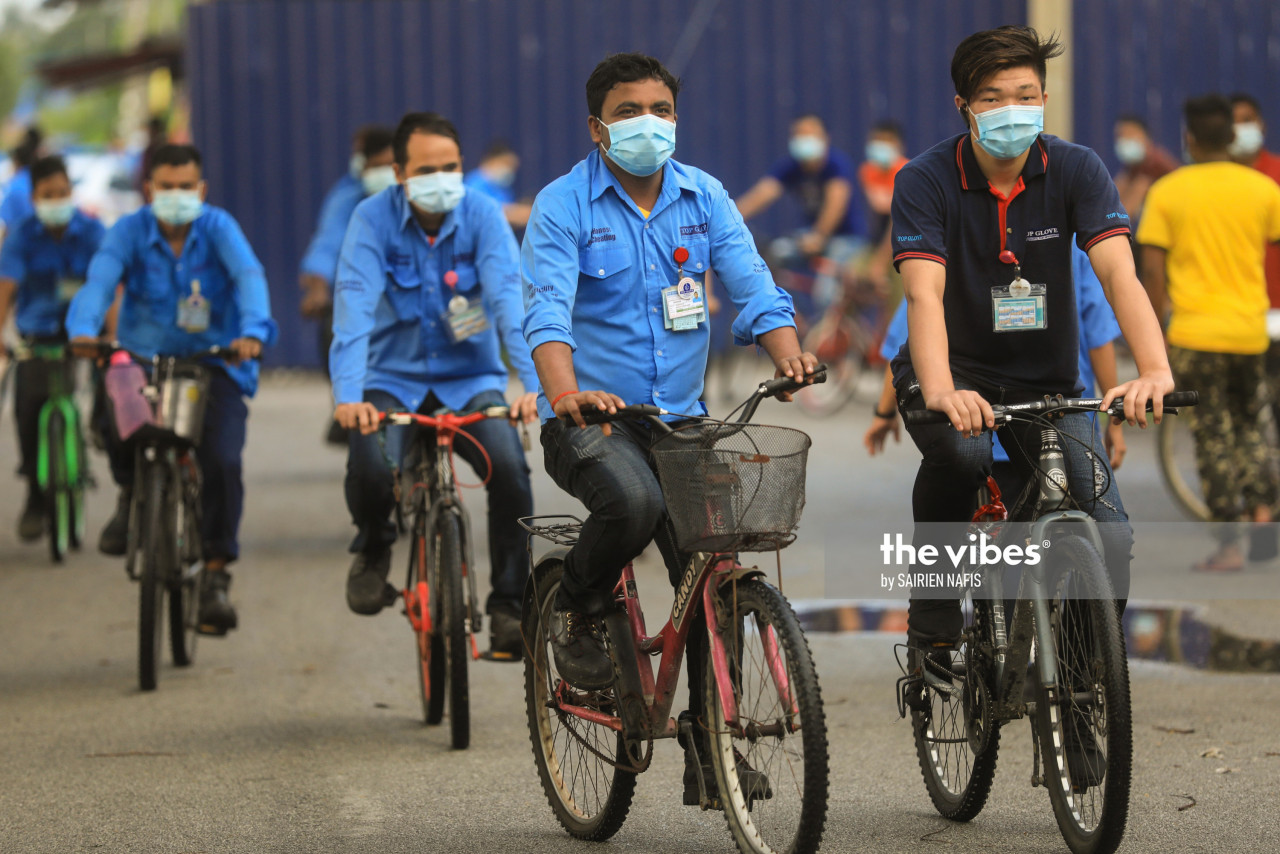
“The companies improved their (employees’) working conditions, they had their workers paid, and took care of debt bondage issues.
“We modified the WROs, and now they’re absolutely free to import into the US, which is a critical market for these companies.”
Leonard said this to Malaysian media in a special online press conference organised by the US Embassy in Kuala Lumpur on Thursday evening.
That’s the process that we want, whereby we mediate their issues and modify the WRO by seeing that workers are doing better.
“American consumers are able to buy these products again, and frankly, this protects American domestic industries, because it costs less for companies to import products made from forced labour, and it levels out the playing field.”
“We’re very encouraged by what’s happening with our engagement in Malaysia, so we’re going to continue this effort.
Also present was CBP executive director for trade remedy and law enforcement Eric Choy.
WROs: strong economic incentive for companies to cease forced labour practices?
In December 2020, the CBP issued a WRO against products from Sime Darby Plantation Bhd after collecting “reasonable evidence” of forced labour practices by the Malaysian company.
On February 1 this year, the CBP imposed a similar ban on the YTY Group over alleged labour abuse, such as the retention of identity documents, poor working conditions, and debt bondage.
Choy said the WRO and findings issued against such companies create a strong economic incentive for them to eliminate the use of forced labour from production or manufacturing processes.
“This is what happened when CBP issued the WRO against Top Glove,” he said.
They proactively reached out to CBP from the highest levels of Top Glove and worked very closely with us and followed through on commitments to remediate the working conditions for their workforce.”
Choy said Top Glove did not only repay US$30 million (RM125.48 million) to workers trapped in debt bondage, but also made improvements to the working conditions and facilities in steps that were independently verified.
“And as a result, the CBP suspended the enforcement of its findings after Top Glove demonstrated it had remediated forced labour conditions, and that forced labour is no longer being used to manufacture products imported into the US.
“US importers may now source from Top Glove, and its products are among trillions of dollars of products entering the US each year.”
Choy said this example demonstrates the ideal outcome for CBP’s forced labour enforcement efforts.
“CBP truly wants American businesses and consumers to have access to international markets and as many buying options as possible, and ultimately to not be inadvertent consumers of goods made with practises that are against our values as a nation.
“Our hope is that the companies subject to WRO would work with CBP and take the corrective action needed so that they can once again enjoy the benefits of access to the US market.” – The Vibes, February 11, 2022







.jpg)