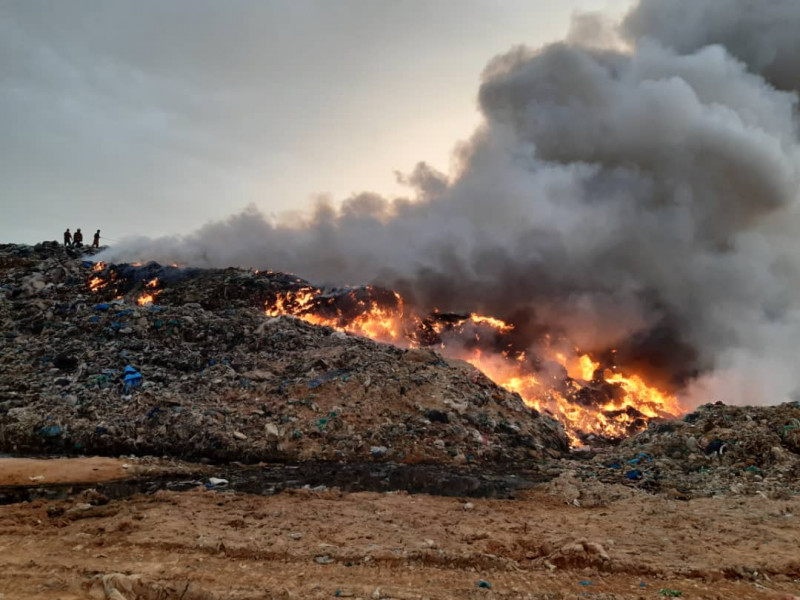

GEORGE TOWN – Sahabat Alam Malaysia (SAM) has expressed concern that Penang will resort to acquiring incinerators to manage its growing load of household and commercial waste in view of the recent Pulau Burung sanitary landfill fire.
The fire which raged on for four weeks was just recently extinguished but the issue of how Penang mitigates its commercial, industrial and residential waste remains disconcerting for environmentalists and social activists.
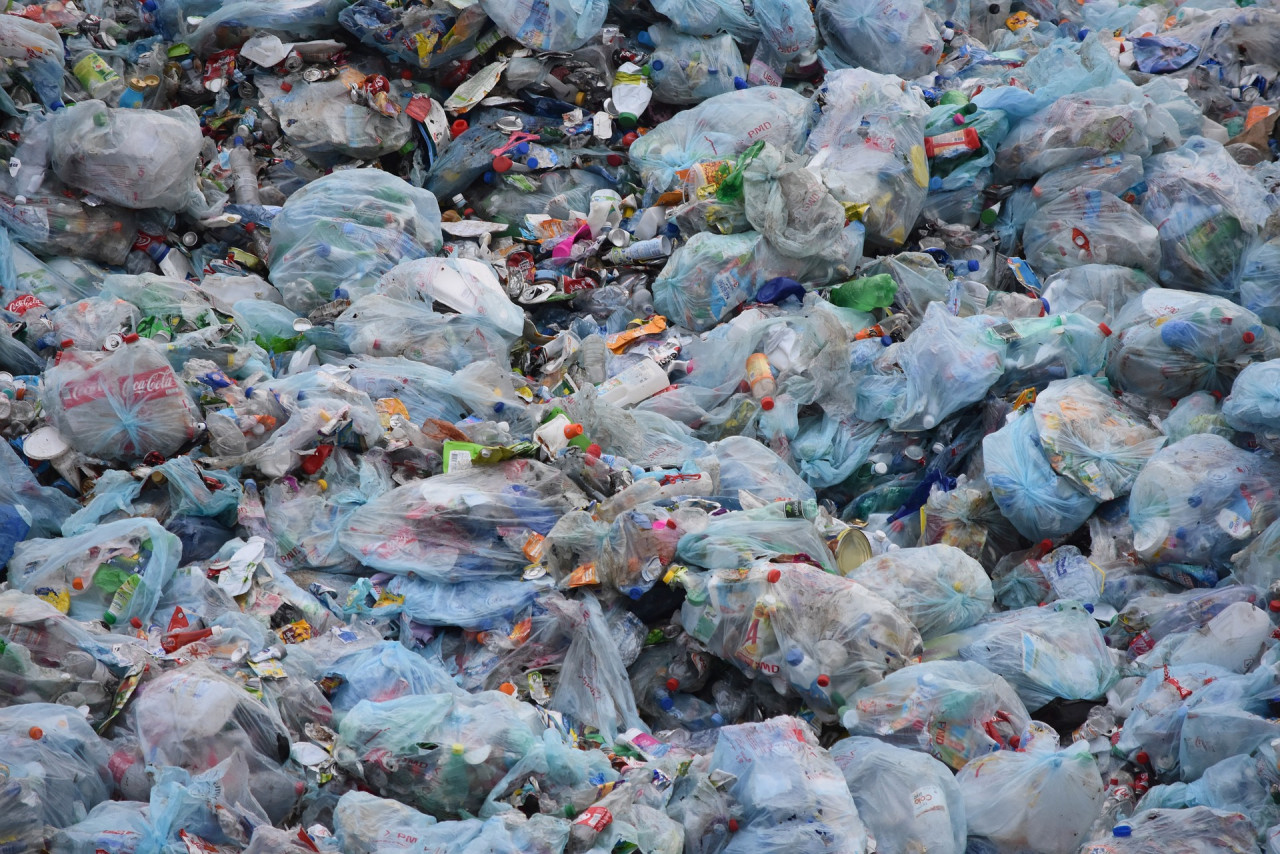
It is aggravated by the belief that the state’s wastes have now risen manifold due to the reliance on plastics for home deliveries and personal protective equipment to fight Covid-19.
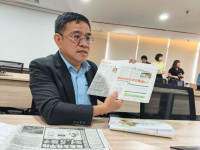
“We are now concerned that incinerator peddlers will start cajoling the state government with their technologies again,” said SAM senior researcher S. Mageswari told The Vibes.
“From pyrolysis to waste-to-energy plants, these technologies have been paraded as the solution to final disposal of waste. Some are pushing for zero landfill by offering incineration.”
Mageswari said that any incineration needs landfill space to dispose of bottom ash.
“Fly ash, which is more toxic, is characterised as hazardous waste and should undergo a stabilisation process before storing in hazardous waste sites.”
SAM is also a member of the Global Alliance for Incinerator Alternatives, which has its regional headquarters in the Philippines.
Mageswari said that she would caution Penang not to be taken in with the industry hype and proposals for incineration, gasification, pyrolysis and other incinerators in disguise.
Scientific data has proven that the supposed benefits of these technologies are outweighed by the financial, health and environmental risks, she stressed.
Penang should be a frontrunner in moving towards zero waste with community-based approaches of waste prevention, plastic reduction, reusing, repairing, and composting of organic waste, as an alternative to waste mitigation, she said.
Mandatory waste separation in the state must be strictly enforced with enabling infrastructure, a good collection system, and safe recycling, Mageswari proposed.
Earlier, SAM president Meenakshi Raman, in a statement, urged the state government and both city councils of Penang Island and Seberang Prai to take appropriate action to prevent any more incidents that risk the communities here or pollutes the environment.
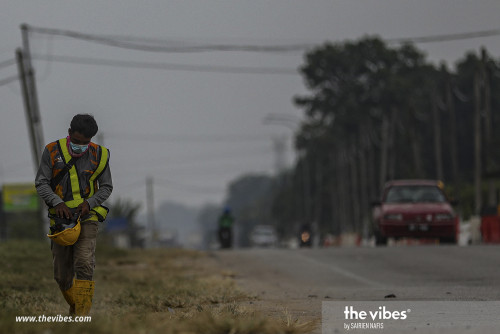
Meenakshi was referring to the Pulau Burung landfill undergrowth fire which raged on for four weeks, causing the Nibong Tebal district to become an area of concern due to air pollution, not to mention the spread of toxic fumes and other forms of pollution.
Up to 400 people were temporarily displaced and schools closed during the fire, while a federal-state task force – comprising council workers, fire and rescue personnel, Department of Environment officers, engineers, volunteers and helicopter pilots – fought the fire around the clock for four weeks.
In 2018, Penang had announced that it is considering proposals to build an incinerator in the state as a waste disposal solution.
This contrasts with the state’s government previous stance of never allowing an incinerator to be built here owing to the concerns that it does not contain waste effectively and may pollute the same land it is supposed to rehabilitate.
State exco member Jagdeep Singh Deo, who oversees the local government portfolio, asserted that the state was now open to incinerators due to technological progress.
“Previously, it was still in the early stages so we were against it but now, with advanced technology that makes it suitable for our climate, we have reviewed our stance to be open about having an incinerator in the state,” he was quoted as saying.
Penang was studying a private finance initiative arrangement to avoid having to fund the construction of the incinerator that is expected to cost around RM600 million, but this came to a standstill owing to the emergence of the Covid-19 pandemic.
In 2017, Penang generated 1.3 million tonnes of waste.
Social activists, including former Jelutong MP Jeff Ooi Chuan Aun, have emphasised that while waste management is a longstanding issue, Penang is unable to find the political will to adopt policies which are sustainable and environmentally friendly.
Ooi hoped that the state will respond to the various initiatives and proposals which civil society have put forward. – The Vibes, February 26, 2022.



.jpeg)