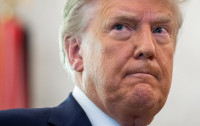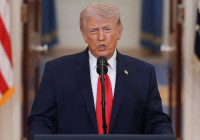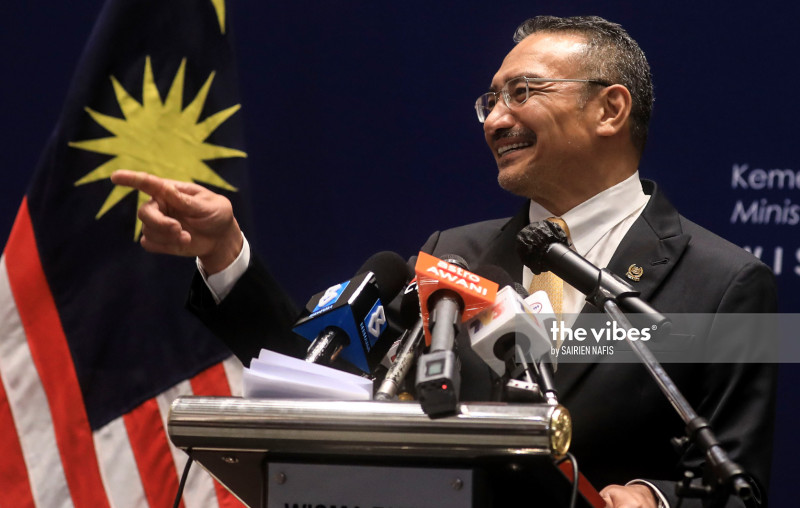

KUALA LUMPUR – The 37th Asean Summit, which kicked off yesterday, will not be affected by the absence of outgoing US President Donald Trump, who has yet to confirm his attendance, said Foreign Minister Datuk Seri Hishammuddin Hussein.
He said while it is uncertain whether Trump will be attending the Asean Plus One summits, the top leaders of Australia, India, Japan, South Korea, New Zealand, China, will be taking part in video conferences with the United Nations secretary-general.
Commenting on whether he expects better ties with the US after Democrat Joe Biden's election win, Hishammuddin also said a no-show from Trump will not have an impact on Malaysia’s diplomatic ties with the US.
“The non-attendance of President Trump (at Asean meetings) in the past did not affect our relationship with the US. So how could it be more affected with the new president?”
Hishammuddin said this during a press conference on Malaysia’s participation at the 37th Asean Summit and related meetings held from yesterday and November 15.
Malaysia’s delegation would be led by Prime Minister Tan Sri Muhyiddin Yassin, who is accompanied by International Trade and Industry Minister Datuk Seri Mohamed Azmin Ali and Hishammuddin.
Hishammuddin said where bilateral ties and the summit are concerned, it would be “business as usual”.
“But we need to understand the new administration as quickly as possible. It’s important to find areas where we can agree upon, and those that we cannot.”
He said the incoming US administration will have to learn Malaysia's position on matters such as industry, economy, security, or relationships and geopolitical considerations such as the South China Sea.
"We need to engage the United States with its new administration but, whether the President surfaces on Thursday or not, I don't think it will impact the bilateral relations between Malaysia and the US or Asean and the US."
Hishammuddin said this after a series of meetings, held virtually, with his ASEAN counterparts.
He said the meetings discussed the issues related to the South China Sea, the Rakhine state in Myanmar, Palestine, non-traditional security threats, and addressing the challenges of the post-Covid-19 global landscape.
Aside from several key agendas mostly revolving around Asean's response to the Covid-19 pandemic, Hishammuddin said the regional leaders were also expected to witness the signing of the Regional Comprehensive Economic Partnership Agreement.
When signed, the agreement would be the largest free-trade agreement in the world, affecting nearly half of the world's population and a third of the world's gross domestic product. – The Vibes, October 10, 2020