
PAPAR – It is election season, but the interior of Sabah is conspicuously quiet and calm, a far cry from the raucous hustings in the more populated parts of the state.
Here, electoral discussions are devoid of boisterous crowds, seldom premeditated and usually an afterthought among the locals in their daily conversations.
The tone is also more sedate, but the views are, nonetheless, earnest.
This was the case on a cold Tuesday night last week in a humble nipah hut near a riverbank in Kg Bisuang, where three villagers huddled over a campfire slow roasting an increasingly aromatic game.
The cue that triggered the trio’s talk on politics was the thrumming sound emanating from their cherished Papar river – of which its fate has been uncertain for the past 12 years.
The mood was initially serious but took a light-hearted turn when one of them jested about the latest electoral sound bites vis-à-vis Saturday’s state polls.
Among the topics brought up was that of the controversial mega dam project that will cut through Papar river.
“Will it be doomsday for Sabah if the dam is not built? What about floods then? I asked and the reply I got was ‘if God wills it; what will be, will be’,” said Save Papar River Committee representative Jackly Likinsim.
His cousins, Richard Molitin and Bonny Justinus, who sat facing him, echoed Jackly’s incredulous chuckle.
Different name, same project
The Papar dam project is a problematic legacy inherited by Warisan from the previous Barisan Nasional (BN) administration.
Issues surrounding the project remain unresolved despite being promised by politicians during the general election campaigns two years ago.
“We thought the Kaiduan Dam was no longer in the picture. But a few months after Warisan won the election, the Papar dam project was announced.
“The name was changed but it is essentially the same project, affecting the same river,” said Jackly.
River of life
The Papar river meanders 60km from the mountains – that make up a portion of the Crocker Range – through Papar, Penampang and Tuaran districts. Its waters eventually end up in the South China Sea.
When they were children, Jackly, Richard and Bonny grew up with a story on how a British scientist, who came to study the ebb and flow of the river, told the then-chief that the stream of the Papar river will never run dry.
“It is true,” Richard said.
“Once there was a long draught that went on for six months. Everyone had to rely on the river for water and there were plenty of it.”
No clear explanation
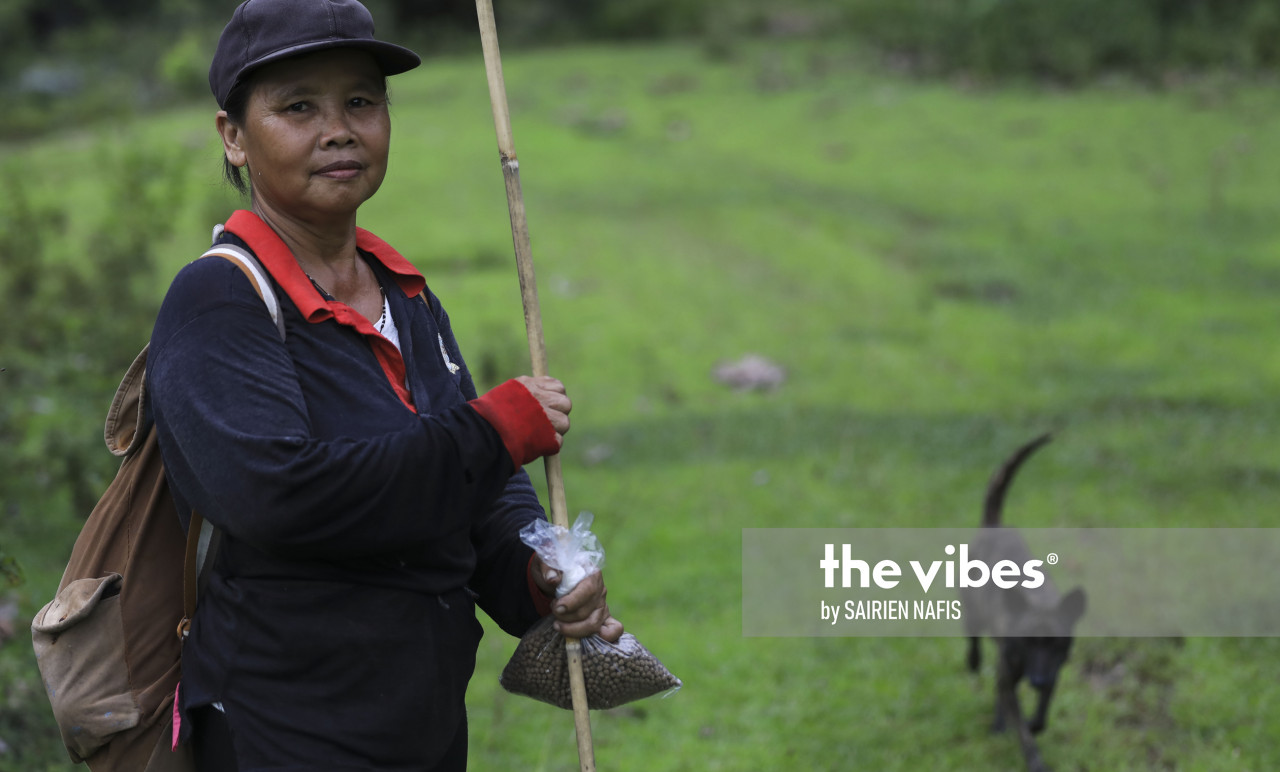
Villager Diana Sipail told The Vibes that the explanation provide by the authorities keeps changing.
Diana, who is a member of a local pressure group called Takad (Taskforce Against Kaiduan Dam), said during BN’s rule, the dam was needed in order to avert a state-wide water shortage that will hit Sabah in 60 years.
“And now politicians are saying that it’s for supplying electricity. One of them even added that it could be a tourist destination.
“There’s no concrete explanation. No black and white. No EIA (environmental impact assessment) report has been made public.
“The embankment for the dam will be up to 200 metres high and 522ha in size. It will drown our home, our culture, our farms, our livestock, our ancestral land and our identity,” she said, adding that nine villages upstream will be submerged once the dam is built.
Two weeks ago, caretaker Chief Minister Datuk Seri Shafie Apdal of Warisan said the Papar dam project has yet to be finalised after former prime minister Datuk Seri Najib Razak furnished supposed documents concerning the dam’s RM3 billion tenders.
So far, opinions are split on where the dam will be built.
Dam location set in stone
Jackly, Richard and Bonny said they heard the dam would be erected further downstream, near the outskirts of their village.
But Diana said the dam will be constructed upstream, adding that demarcations have already been placed.
She was right. Demarcations have been set in stone.
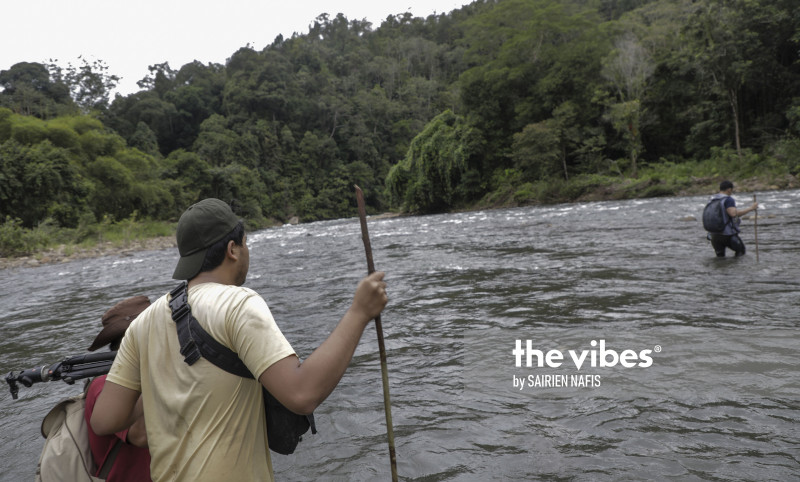
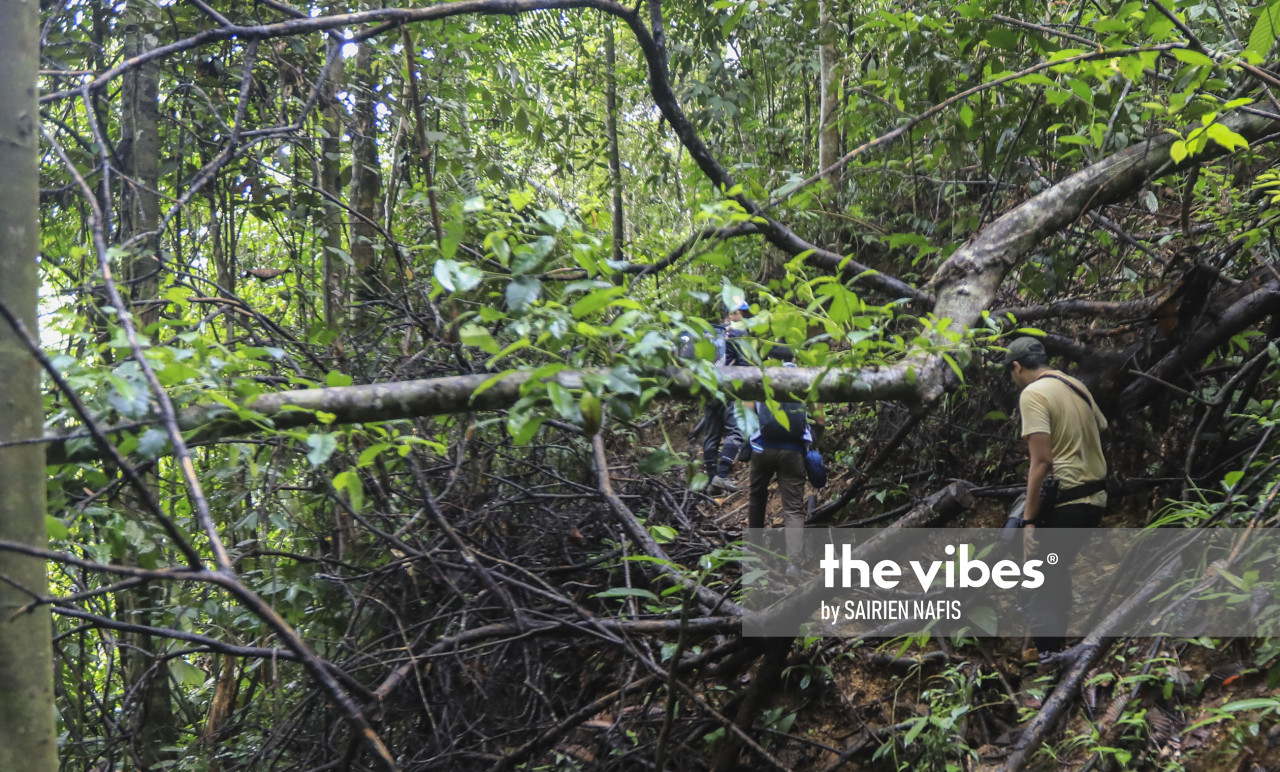
But to get the dam location, one must hike for several hours through the mountains, trek treacherous ledges and wade through the cold Papar river upstream.
The ongoing rainy season made the ordeal even more challenging.
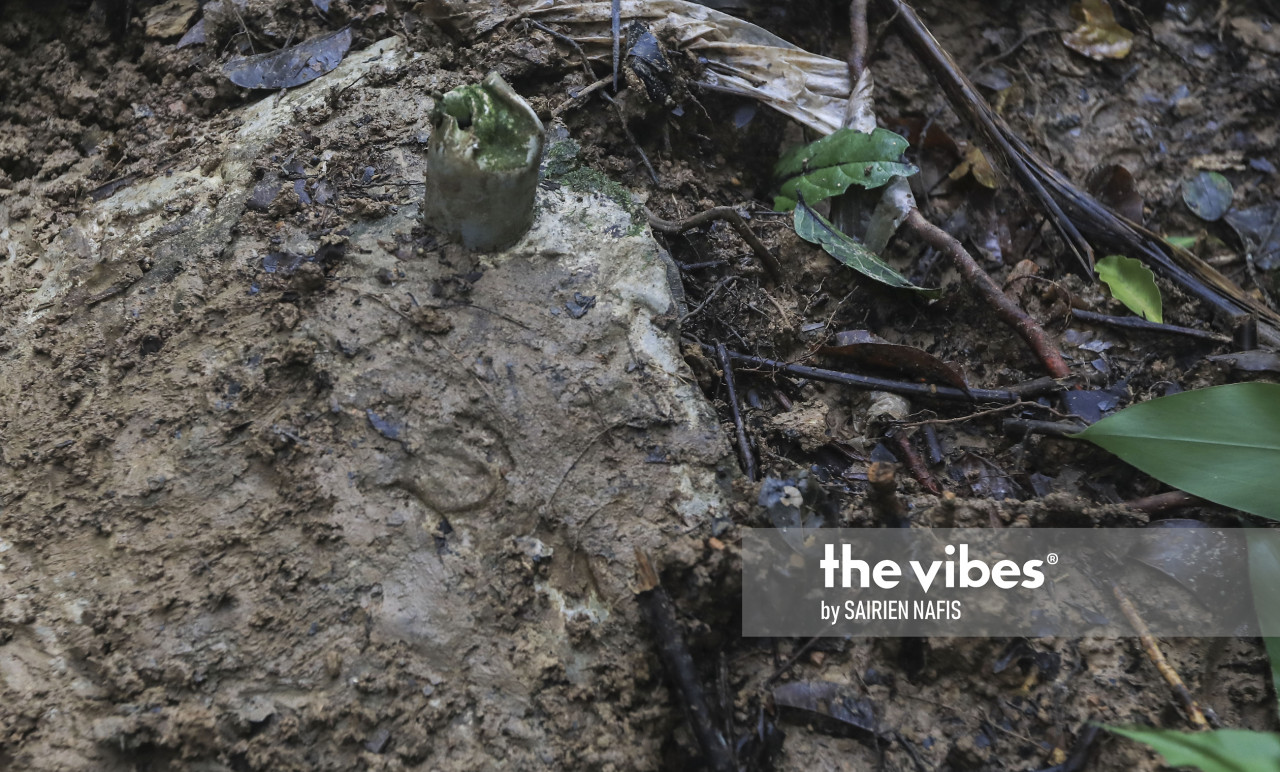
The first demarcation, which Diana said was placed a long time ago, is a concrete-filled PVC pipe that was drilled into a huge boulder near the riverbank.
Its length is uncertain, but the visible end was about four inches long.
There are two more such pipes, but they sat deeper in the interior where Jackly and his cousins – who upon request can be hired as guides – will caution those unfamiliar with the ways of the jungle from going further.
As it was in the 2018 general election, the dam project has become an election fodder as the state is gearing up for polls on Saturday.
During campaigning, many have dangled promises to cancel the project should they come to power.
The latest to do so was Parti Bersatu Sabah vice-president Datuk Johnny Mositun on last Saturday.
Contesting the Limbahau seat, Johnny said the party was aware of the objections to the dam and promised to block the project should he win.
It is still anyone’s guess if pledges made during election season can rekindle lost hope, but the exodus of 500 Papar Warisan members last Friday showed swelling grassroot disenchantment with the party.
In the interiors, the conundrum has always been about development versus preservation; and those rooting for the latter are stern-faced locals who sees modernisation as something that can be tailored to suit their lifestyles – not the opposite.
Especially so in Kg Bisuang where paddy is still harvested once a year and water buffaloes are widely used to plough the soil – where time is treasured but not hastily pursued – where contentment outweighs fancy desires. – The Vibes, September 22, 2020



.jpeg)