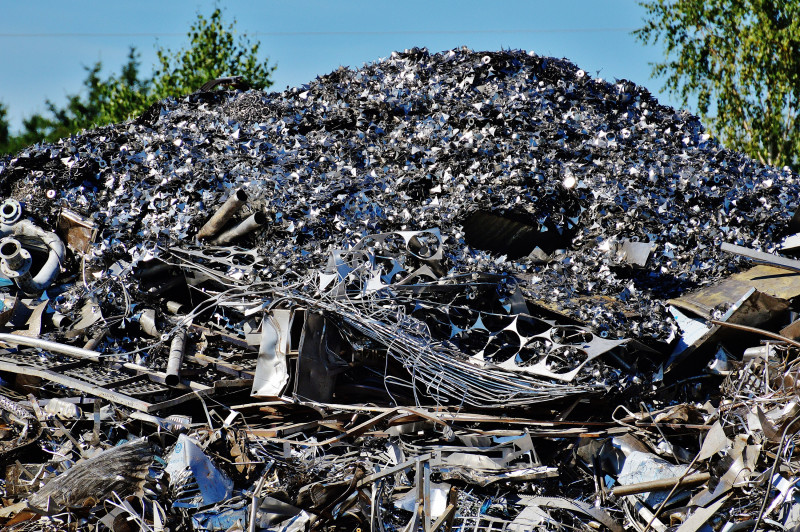

KOTA KINABALU – The sales tax of RM200 per metric ton on scrap iron exports out of Sabah stays until the revision on the levy is concluded, said Sabah’s Industrial Development Minister Datuk Joachim Gunsalam today, in response to calls for it to be scrapped.
He told the state assembly that the sales tax on iron export was gazetted on January 27 and came into force on February 1.
The levy was introduced to replace the ban on metal exports imposed temporarily by the state to deal with a shortage of scrap iron for steel billet and rebar production.
“The export ban was introduced to balance the market value of scrap iron in Sabah and the peninsula.
“The levy of RM200 per metric ton was imposed with an expected income of around RM20 million to the state government.
“The state government is aware of scrap metal collectors’ complaints that the levy will affect their income.
“For this, the Sabah cabinet has ordered the Industrial Development Ministry to revise the new rate. The sales tax will be implemented until the revision is concluded,” he said during his winding-up speech.
Gunsalam was responding to the issue raised by Tan Lee Fatt (Likas-DAP).
Besides DAP, the Sabah Scrap Metals Recycle Association had also called for the suspension of the sales tax.
On a question raised by Norazlinah Arif (Kunak-Warisan) on locally made Sabah products, Gunsalam said hologram labels with the “Authentic Sabah” logo are now being printed and will be distributed for free to Sabah SMEs registered with the Industrial Development Ministry.
This will make it easy for buyers to identify Sabah products and support the Buy Sabah Goods campaign launched in Ranau recently.
“Details of the SMEs, products, and company names can also be checked via the ministry’s website to be launched this year,” he said.
Gunsalam also noted that research and development is also being done to improve SME products, including the shelf lives of consumer products.
He said present assistance to SMEs was still limited to product development like packaging and mechanisation of process.
Gunsalam said this in response to the issues raised by Datuk Jaujan Sambokong (Sulabayan-Warisan) on efforts to improve the shelf lives of consumer products from local SMEs.
Jaujan cited products produced by Thai SMEs, which had shelf lives of more than six months. – The Vibes, March 23, 2022