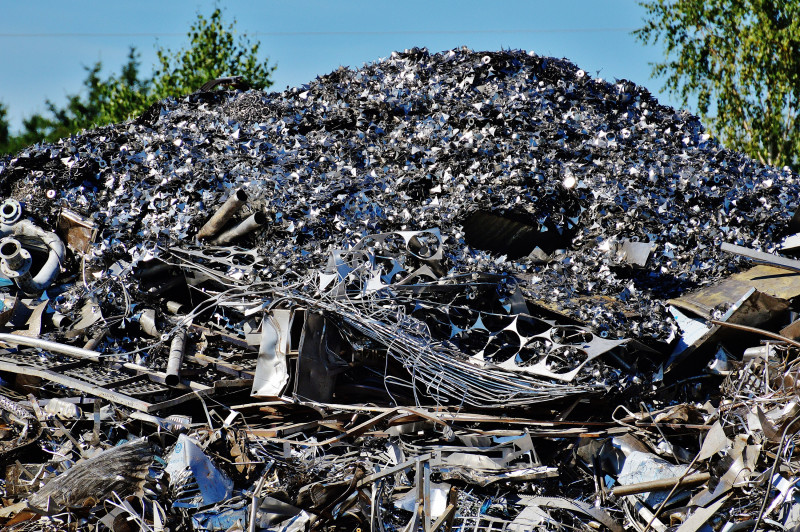
KOTA KINABALU – Sabah has banned with immediate effect the export of scrap iron due to an acute shortage of the raw material used in steel billet and rebar production.
Chief Minister Datuk Seri Hajiji Mohd Noor in a statement today said the state will introduce an export sales tax on scrap iron, with a target of RM200 per tonne, to keep supply adequate.
The ban will be in force until the tax regime is implemented, he said, adding that the restriction does not apply to copper, aluminium, precious metals like platinum and gold, as well as titanium and stainless steel.
The export ban is aimed at, among others, stabilising rebar prices, which have gone up and resulted in a spike in construction costs in Sabah, he said.
“The steel industry contributes significantly to Sabah’s economy. It currently provides 500 jobs that pay an average monthly income of RM2,000.
“If our steel industry ceases operations, the state’s unemployment rate will rise, and this will create a very negative impact on our economy, more so during the Covid-19 pandemic.”
Sufficient local supply of the material will encourage investments, thus increasing the local steel industry’s production capacity, he said.
Hajiji added that the state aims to produce up to 18,000 tonnes from the current 8,000 tonnes in both rebar and billet a month.
He said an adequate supply of billet will allow local mills to expand into wire rod production.
Mill operators are planning to invest in a new facility in the state’s east coast, he said.
These plans require around RM60 million in investments, with RM40 million going towards wire rod production and the rest to build the new mill.
“The RM60 million in additional investment activities will provide job opportunities to about 400 people in Sabah,” said Hajiji.
He stressed that there is a need to keep ferrous metals and scrap iron in the state for steel-based industries and related sectors, adding that Sabah currently lacks raw materials and does not have a steel mine.
“The ban is also in line with Sabah’s industrial policy under Halatuju Sabah Maju Jaya to stimulate high-value-added downstream processing activities.” – The Vibes, June 11, 2021