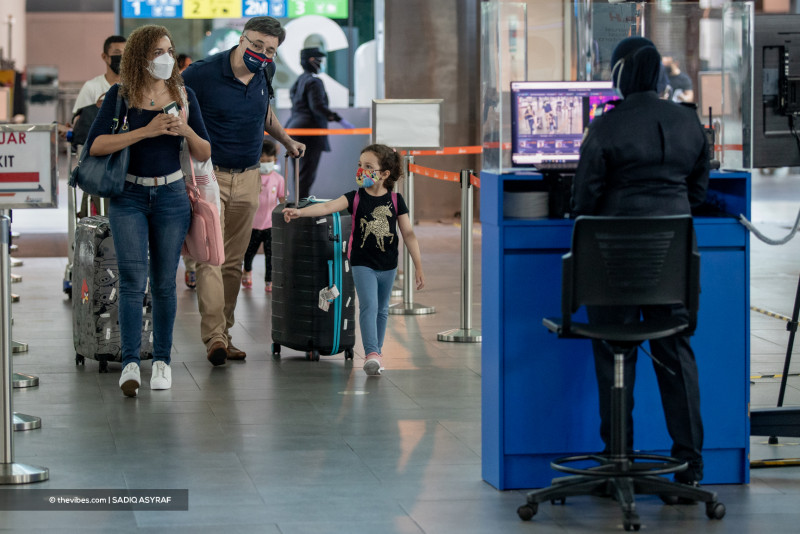

KUALA LUMPUR – Come April 1, Malaysia’s borders will be open to travellers, including those coming from the 18 countries on the Omicron high-risk list.
While Putrajaya has given assurances that the reopening should proceed smoothly and safely, public health experts are concerned about a surge in Covid-19 infections as the borders reopen.
Universiti Kebangsaan Malaysia’s Prof Dr Sharifa Ezat Wan Puteh has predicted a spike in infections after the Hari Raya Aidilfitri celebrations following the increase of travel due to the holiday season.
“If it was the opening of borders between Malaysia and Singapore, I don’t think it would be a problem given Singapore has a high vaccination rate. But with high-risk countries, we could see positive cases to enter the country, including new variants.
“For example, in the UK, the Omicron BA.2 subvariant is easily transmissible.
“So, we will know from the caseloads after Aidilfitri because there will be a large number of people moving about, with tourists entering our country,” Sharifa told Getaran, the sister portal of The Vibes.
“I think imported cases will increase, but not cause a big wave of infections. There’s a chance of a small wave because most foreigners are already vaccinated against Covid-19.
“Malaysians are protected via the vaccine as well. We are just worried about dangerous variants.”
At the same time, Sharifa suggested that the government consider preventing travellers with Sinovac as their primary vaccine from entering Malaysia.
“I find it peculiar that countries like Germany don’t allow travellers with certain vaccines like Sinovac, but Malaysia accepts all vaccines.
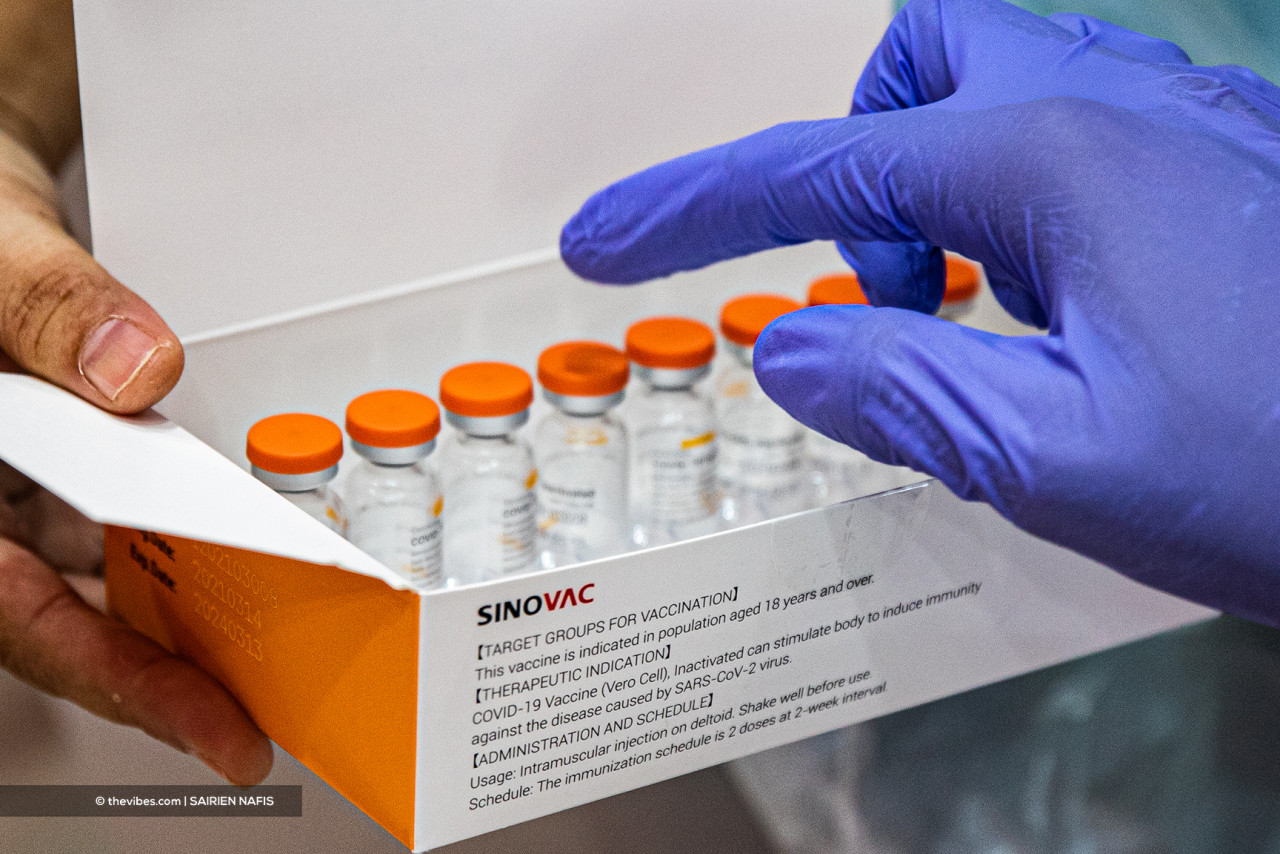
“We should not allow travellers only vaccinated with Sinovac from entering Malaysia, because Malaysians going overseas with Sinovac vaccination records are prohibited from entering certain countries.
“Now things appear free and easy as tourists from China can cross borders with only Sinovac vaccinations. This is unfair because our government has urged Malaysians to take the booster jabs.”
She said action must be taken over the matter to curb the spread of Covid-19 given the antibody reaction from Sinovac decreases over time.
“That’s our fear. China may see a spike in cases again. Which is why I don’t really agree over the loosening of SOPs and the government must be prepared to face any possibilities.”
Meanwhile, Universiti Putra Malaysia’s Microbiology Department Associate Prof Dr Malina Osman is of the view that the reopening of the nation’s borders can be done safely.
She said the loosening of SOPs for travellers is not an issue given Malaysia is not able to rely on movement controls forever.
“In my view, there is no issue because many are vaccinated and preventative measures are mostly understood by the community. The loosening of SOPs is in line with the move to the endemic phase.
“We need to move on to heal the economy.”
She also advised Malaysians not to worry over the loosening of SOPs given the Covid-19 situation is currently under control.
Most indicators concerning the pandemic at this moment are decreasing.
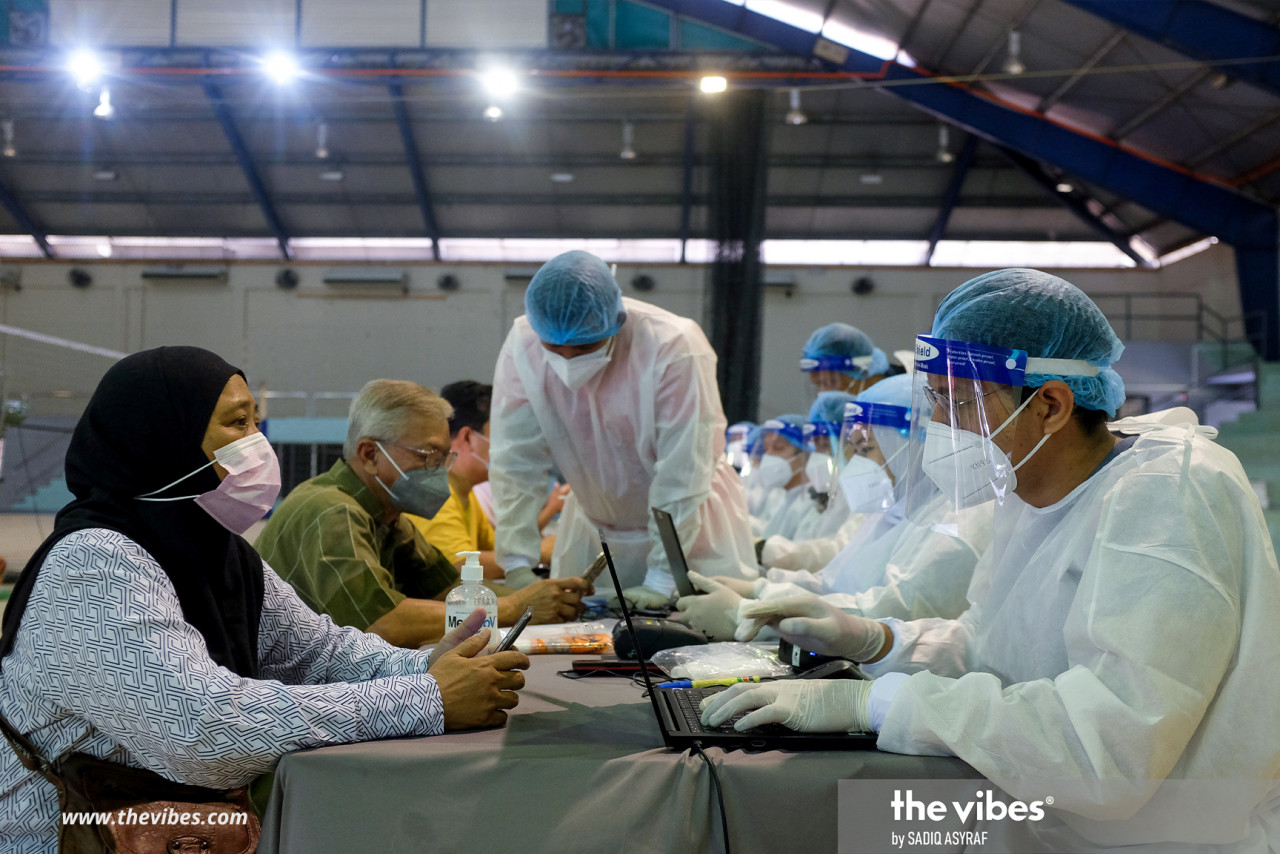
“We must understand epidemiology statistics well. The interpretation of data now is focused on hospitalisation, ICU usage and death rates.
“Daily infections and active cases are no longer appropriate to use now because many are vaccinated.”
Nevertheless, she advises Malaysians to continue adhering to SOPs even though the government has loosened certain regulations.
“Cooperation is very much required and it’s time for each individual to start watching out for others. Don’t leave the responsibility to the government to protect us from infections.”
In early March, Prime Minister Datuk Seri Ismail Sabri Yaakob said Malaysia would begin phase one of the transition towards the endemic phase from April 1, allowing businesses to operate beyond midnight and reopening international borders.
He added that this was a “transitional” period into entering the endemic phase of the pandemic, as the decision on the latter was up to the World Health Organisation.
The prime minister said the reopening of Malaysian borders means that Malaysians would no longer be required to apply for the MyTravelPass as it has been abolished.
Instead, they merely needed to complete a pre-departure form using the “Traveller” function contained in the MySejahtera app.
“For those who have been fully vaccinated, there is no need to undergo any quarantine period and there is only a need to take the Covid-19 RT-PCR test two days before departing and do the RTK-Ag (professional test) within 24 hours after arriving.” – The Vibes, March 27, 2022