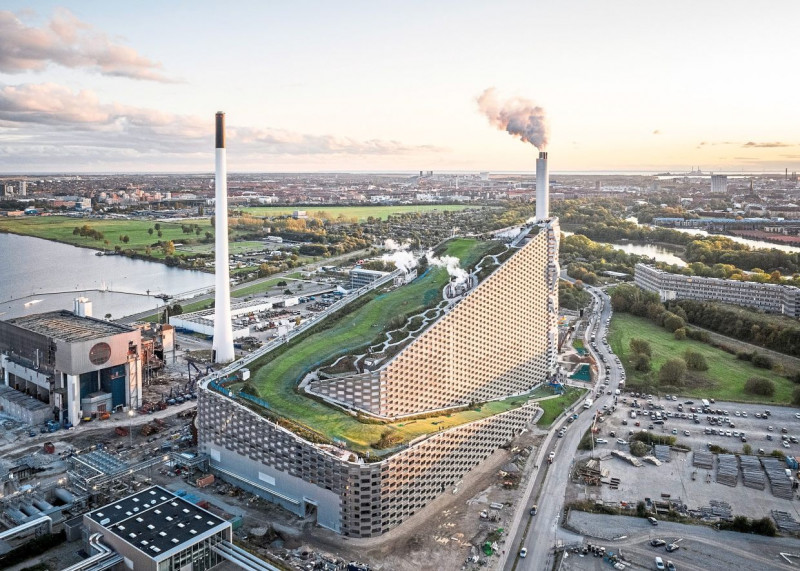

GEORGE TOWN – Incineration is the best option to resolve Penang’s unending solid waste problem.
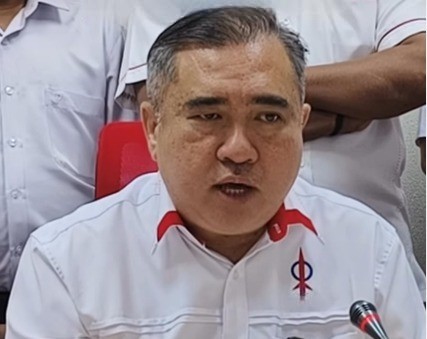
With the state generating 2,500 tonnes of solid waste daily, the situation has become crucial and needs a fast solution, said Seberang Prai city councillor David Marshel.
Marshel explained to The Vibes that the incinerator is the best option for Penang to overcome solid waste treatment which has become too reliant on landfills – which pose problems of their own.
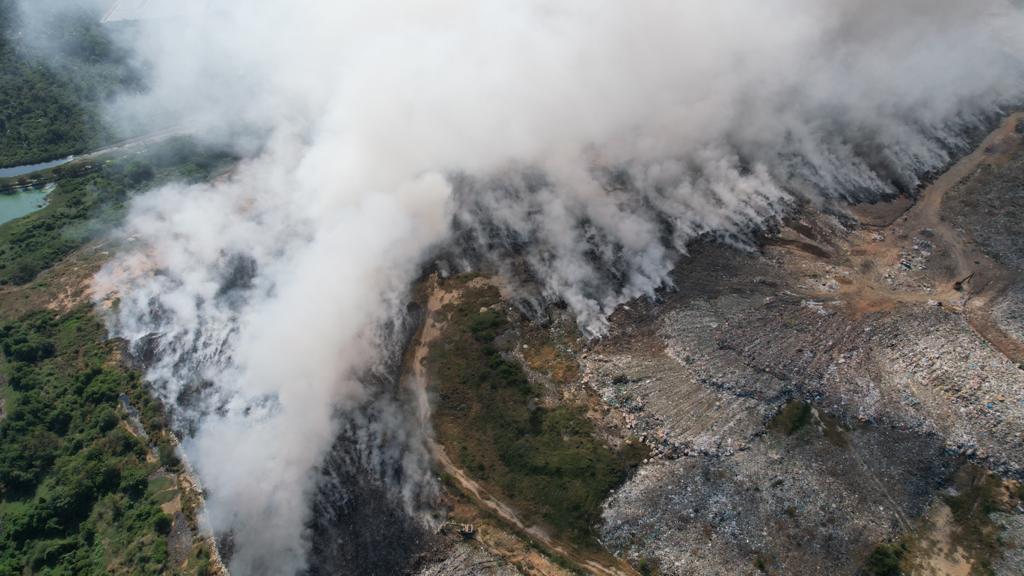
The safety and environmental hazards of landfills came into focus this year following a fire at the Pulau Burung landfill near Nibong Tebal on January 12, which lasted for three weeks.
Marshel took critics of incinerators – or waste-to-energy facilities, as they are known – to task for incessantly criticising the council yet never proposing practical solutions.
“The non-government organisations have always whacked the council for planning for incinerators, but they have never proposed ideas or suggestions to resolve the issue,” he said.
“One of the best options is to have an incinerator. However, there are objections from NGOs towards incinerators,” he said.

Earlier this week, Marshel had said that as an interim plan, MBSP will take over the management of the Pulau Burung landfill when the contractor’s term expires next month until a new company is chosen.
The council has extended the current site operator’s contract, which expires on April 5, to May 20.
It will not renew the contract due to the poor management of the landfills, as the January 12 fire was not its first.
“MBSP will take over the waste treatment there after that date until an alternative contractor is found,” said Marshel.
He said the next operator must be a company that is familiar and that possesses the technology and equipment to treat the waste.
Penang Island generates 900 tonnes of waste daily, all of which are transported by trucks and barges to the landfill in Pulau Burung.
Meanwhile, Seberang Prai generates 1,600 tonnes of waste daily that goes to the same landfill.
NGOs’ concerns about pollution
Opponents of incinerators meanwhile continue their attacks on this waste treatment option, opting for long-term and less than practical solutions such as “zero waste”.
Consumer Association of Penang (CAP) said incineration burns discarded materials that could be collected for reuse, recycling, or composting.
“Things are released into the environment such as combustion gases, air pollutants, greenhouse gases, toxic bottom fly ashes, wastewater, and wastewater treatment sludge that need to be managed,” said CAP senior research officer and Sahabat Alam Malaysia secretary S. Mageswari.
“Even the most technologically advanced incinerators release pollutants that will contaminate our air, soil, and water. Many of these pollutants enter the food supply and concentrate up through the food chain,” she said.
“Besides harming public health and the environment, incineration will perpetuate unsustainable consumption of resources, contribute to climate change, and will also divert funds from cheaper, sustainable zero-waste solutions.
Incineration will also impede efforts to reduce waste or create more local jobs through the implementation of zero-waste programmes,” she told The Vibes.
“Penang and other states in Malaysia should not be investing in incineration systems but put more effort into waste prevention, reduction, and zero waste systems. Among actions to be taken is for the government to ban unsustainable products and ensure efficient waste collection and management systems.
“Corporations need to drastically reduce the production of single-use plastics, packaging, and redesign including our delivery systems. People must also be mindful of their consumption and strive to minimise waste generation.
“The government should aggressively push for composting, which is key to achieving 50% or higher diversion levels and can be done cost-effectively. We need to emphasise backyard or home composting followed by community composting.
“Keeping organics and biodegradables out of waste collected by municipalities will reduce the volume of waste to be disposed of,” Mageswari added.

She said Penang’s waste segregation should be at the source, with separate collection of recyclables.
“Organic waste is included in general waste. We need to separate that for composting, as this will reduce the amount of waste that goes into the landfill.
Malaysian Nature Society honorary member Kanda Kumar said the incinerator will be prohibitively expensive to install and to maintain, and will stress state finances.
“The modern approach to sanitary landfills, although it may sound old-fashioned, goes hand in hand with our state policy of separation at source, recycling rate, and sustainable development.
It may not be realised by many that the landfill method of waste disposable ties in with our recycling policy. This concept has widespread economic advantages to the rakyat, general economy, factories, entrepreneurs, and even the B20,” he said.
Kanda Kumar fears with incineration, the need for recycling will be lost.
“The composition of our household and municipal waste is not conducive to incineration because of its high moisture content. It will require a substantial amount of energy to burn the waste and even much higher to completely dispose of the residue which may be carcinogens or toxic.
“We must immediately upgrade our waste separation at the source, along with enforcement policy, and this will benefit the local council and ratepayers. In a land-scarce state, it is unlikely there will be any suitable location for the planned incinerator.
“Experience has shown that the local populace and many NGOs will be completely against the idea of the incinerator as it is like the abandoned Bogra incinerator project in Negri Sembilan. So, where do we want to site the incinerator – in your backyard or in my backyard?” he asked. – The Vibes, April 20, 2022



.jpeg)