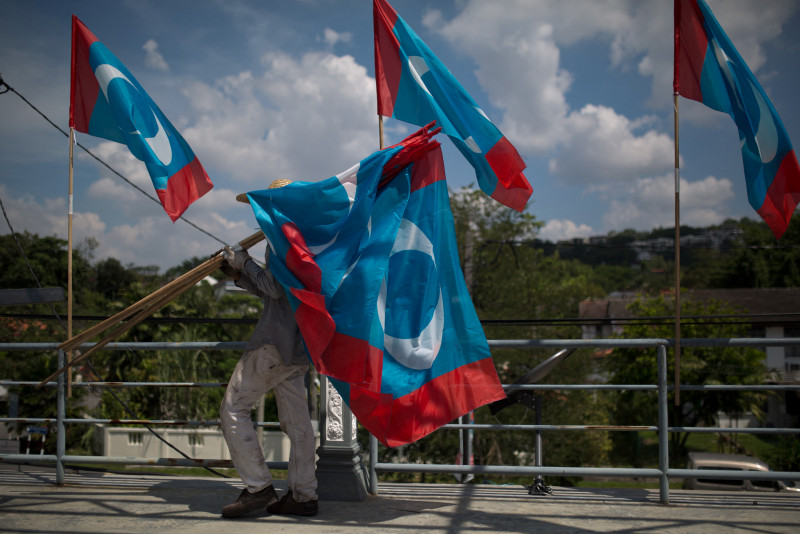

KUALA LUMPUR – PKR has been urged to allocate a 30% quota of the party’s central leadership council specifically for women to ensure better representation in its top decision-making body.
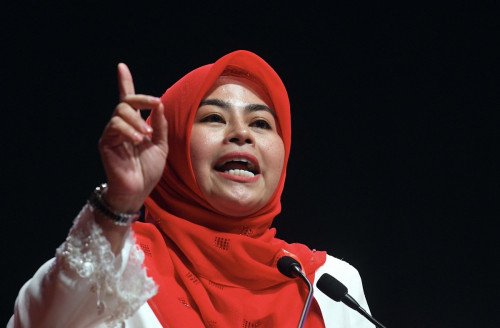
The call was made by a couple of Wanita PKR leaders, Bukit Lanjan assemblyman Elizabeth Wong and former Machap Jaya lawmaker Datuk Ginie Lim, who are both running for positions in the council, with 20 spots up for grabs.
Wong and Lim are among just 10 women out of the 70 candidates (14.3%) in the male-dominated list vying for a place at PKR’s high table, which will be serving for the 2022-2024 term.
While dismissing suggestions that the figure is a point of concern – they pointed out that there has been significant progress over the years – the pair are hoping PKR will deliver on its policy of women advocacy, in line with the party’s constitution.
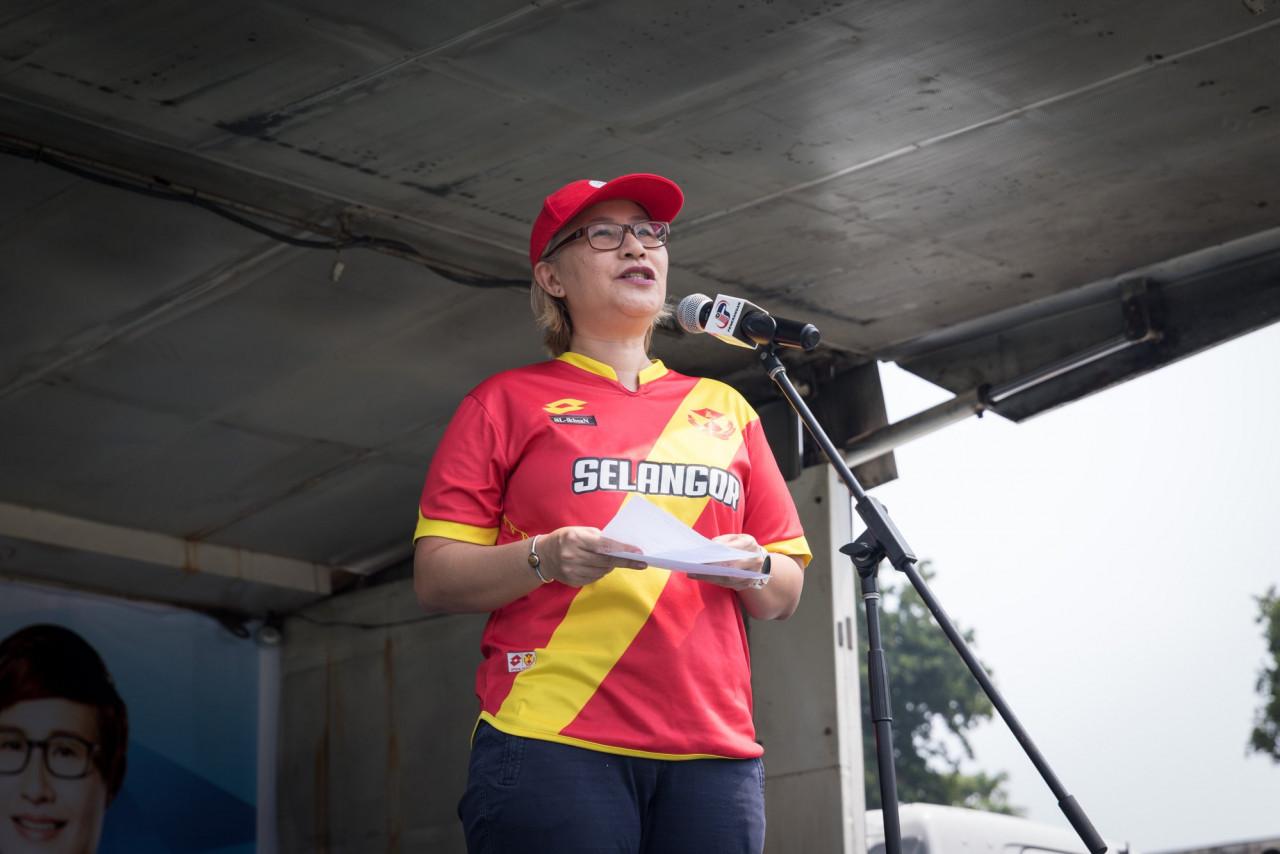
Any implementation of a quota system is unlikely to take place in time for the coming polls, which will be held during the PKR convention later this month, but party leaders are urged to consider introducing it for subsequent elections.
Speaking to The Vibes, Wong said the 30% allocation for women is something she fully backs, as she drew comparison to the recent DAP polls that saw the party being the first in the country to reserve spots for women in its leadership roles.
“I’m all for it. So many studies have shown that unless we have a quota system specifically included in the law in black and white, be it for general or party elections, the talks of having more women representation won’t happen.
I am not saying this is the only way to increase women’s representation in the top positions, but it is something we should explore. And the DAP election is a great experiment that succeeded in showing why and how it can work.”
Similarly, Wong said such a quota could also extend to cover other under-represented members such as the youth, ethnic-minority and indigenous groups.
Good progress, but more needed to encourage women participation
Wong, who is a former Selangor exco, said while the number of women participating in this year’s leadership council election is encouraging, ideally she would have hoped that more would have vied for a position.
She believes that the reason this has not been the case could be down to two possible reasons – a hefty, non-refundable nomination fee of RM7,500 and a revamped voting system for the council that will see only delegates being allowed to vote (unlike the one-member-one-vote system for other positions).
“The RM7,500 fee is quite expensive and it is perhaps keeping more from running. This is something we should reconsider for our next election.
“And through this system where only delegates can vote, about over 2,000 of them this year, the election will boil down to who is more recognisable, as opposed to the candidate’s personal branding. Maybe some women feel less confident about this.”
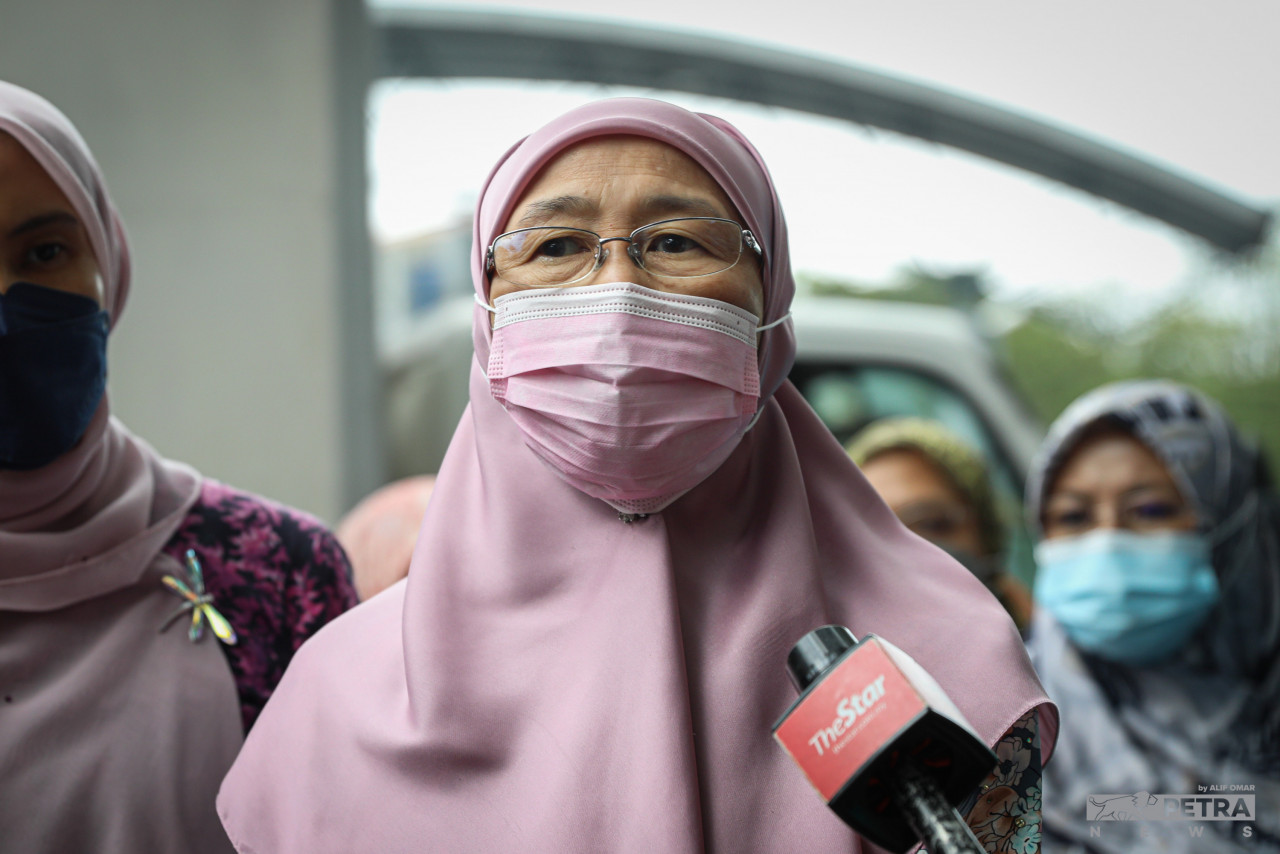
In spite of this, Wong is encouraged by the direction PKR has been heading towards over the years, noting how the current 10 women candidacies far outshone the meagre five who contested in 2010.
Wong also noted that in the last party polls in 2018, where similarly 10 candidates were women, half of them managed to get elected to the 20-seat council, making up 25% of the figure.
“On top of this, our president Datuk Seri Anwar Ibrahim also appointed three more women to the central committee. This shows the party values women representation and that more women get involved.
“So, I wouldn’t say that the 10 contesting this year is very alarming, but as a party, we have to ensure women feel more at ease when it comes to wanting to be part of the leadership.”
Allow women to compete among themselves for reserved spots
Like Wong, Lim does not believe that the number of women candidates vying for council spots is discouraging, pointing out that the figure translates to 50% of the 20 spots available, which should be recognised as an achievement.
“We can have 30% of the 70 candidates being women, but how many can be elected?” she questioned, adding that a more viable solution to ensuring fairer women representation would be via a quota system.

“In fact, there can be a system where women will contest among themselves for the 30% allocated seats. This is more practical. And ensuring a certain number of seats are reserved for women is more reflective of what the party has been advocating.”
Lim said while PKR’s constitution encourages more women participation at various levels, its implementation has not been as convincing.
The party should walk the talk. More women are standing up, but we might be facing structural and cultural limitations, and may or may not have 30% of women actually making it through to the central leadership council.”
Lim acknowledged that certain quarters would want elections to be based on merit, but pointed out that the women contesting are of the highest quality, with many even possessing the experience and qualifications that a number of the male candidates are lacking.
“But I believe our voting members are mature enough and know what’s best for the party, that by looking at our principles and constitution, these are the values the leadership should have.”
Lim also gave credit to women leaders in PKR like Datuk Seri Dr Wan Azizah Wan Ismail and Nurul Izzah Anwar for playing a crucial role in inspiring women today, particularly noting how the former had led the party for a decade in Anwar’s absence.
For Petaling Jaya MP Maria Chin Abdullah, while the lack of women leadership role candidates is regrettable, the relatively low number of women contenders compared with men is not a reflection of a lack of political interest among the group.
This is going by the high number of candidates vying for other positions in Wanita PKR as well as for other divisional posts. – The Vibes, June 11, 2022