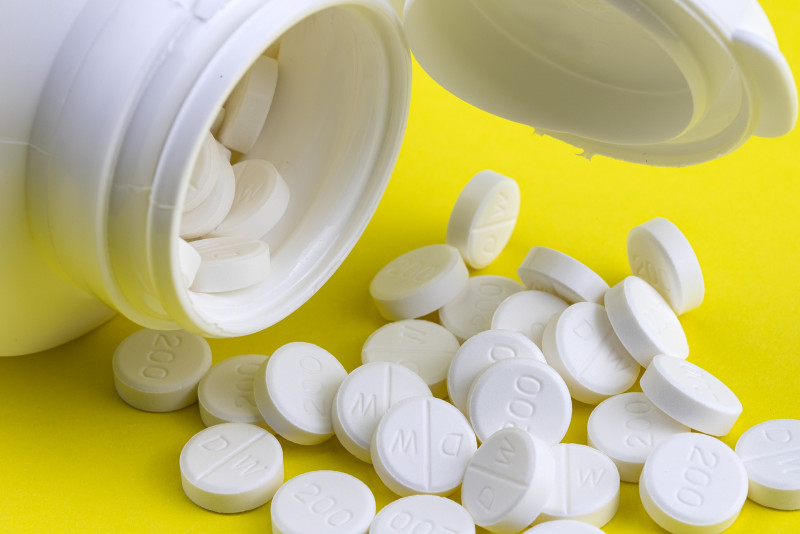

KUALA LUMPUR – The Health Ministry’s decision to allow private healthcare centres experiencing shortages to obtain medicine from public healthcare facilities in the event of an emergency is not a wise call.
According to Malaysian Medical Association president Dr Koh Kar Chai, this is because the Good Pharmacy Practice guidelines outline that medicine cannot be simply borrowed and returned when the need arises.
“As stated by the ministry, it must be ensured that the supply of the drug within a public health facility is sufficiently stocked for daily use prior to loaning the item out.
“This will lead to logistic issues that might cause delays in obtaining authorisation for the borrowing process,” he told Getaran, The Vibes’ Malay-language sister portal, today, adding that it would be near impossible to return the drug from the same brand it was borrowed.
Noting that recent medicine shortages have mostly affected drugs used to treat symptomatic illnesses such as coughs, colds and fevers, he said that doctors are allowed to use alternative medications which provide similarly therapeutic effects.
“Problems begin to come up when the innovation involves drugs that are still patented or do not have any alternatives,” he said.
Suggesting a short-term solution to the issue, he said that doctors might have to reduce prescribing medication to treat symptomatic ailments while looking for a different route to overcome medicine shortage supply issues in the country.
A more comprehensive solution will require the involvement of national pharmaceutical stakeholders, he said.
Commenting on the recommendation to return unused drugs, Dr Koh said that it is not an ideal option as in most cases, the drug will have to be disposed of due to questionable storage conditions.
“It would be best to get medication prescriptions responsibly so that only the required medication is given in appropriate amounts, as has been done in public health facilities.”
He noted that the issue is not a major problem for private clinics as payment is involved for prescribed medications.
Previously, Health Minister Khairy Jamaluddin had said that the move was aimed at ensuring an adequate supply of medicines at public and private healthcare centres amid a reported shortage of stock.
He added that the move would be able to soften the immediate impact of shortages in healthcare centres while optimising the use of alternative and generic medicines that are fully stocked and readily available.
Last week, Khairy noted that the shortage was not due to panic buying by consumers, instead attributing it to high demand triggered by the spread of the Covid-19 Omicron variant and the rising cases of hand, foot and mouth disease (HFMD). – The Vibes, June 16, 2022