
KOTA KINABALU – The purchasing power of low and middle-income earners in Sabah will shrink to only a fourth of their regular spending capabilities if the government does not mitigate impending hikes in the prices of essential goods come July 1.
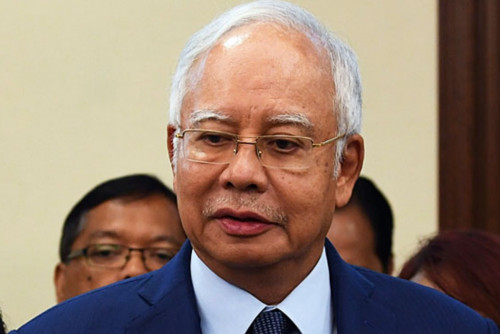
Sounding the alarm, Consumer Affairs and Protections Society of Sabah (CAPS) deputy president Datuk A. Nagaraju said the number of low-income and hardcore poor persons in Sabah would rise with the expected second wave of price hikes of between 15% and 60% next month.
“Just after the pandemic, the prices of goods immediately surged to between 5% and 40%,” he said at a press conference here today.
“Now the government is thinking of withdrawing subsidies and floating mechanisms, and (this would) certainly cause another round of price hikes on essential goods like chicken, eggs, cooking oils and other food materials.”
He said CAPS expects the prices of goods to shoot up further by 15% and 60%.
Such an eventuality will further burden low and middle-income earners, he said at a press conference here today.
As it stands, prices of goods in Sabah were already 30% higher than in the peninsula prior to the pandemic and are set to rise further next month, he stressed.
Illustrating his point, Nagaraju said that before the pandemic the average consumers’ fixed shopping could fill up a whole basket with only RM30. That has now been halved post-pandemic and will reduce to only a quarter if all price controlling mechanisms are lifted.
He added that a RM30 budget can now only buy a bottle of cooking oil, given that it is getting hard to buy the subsidised 1kg packets of the product from shops due to hoarding and smuggling activities in the state.
He said even workers earning the RM1,500 minimum wage and with a family of at least three children would not be able to sustain themselves if they spend RM50 a day.
It will be a budget deficit for many households in Sabah, as their monthly spending will have to come to RM1,550 a month, said Nagaraju.
Towards this end, he expressed hope that the government would step in to mitigate the problem.
He proposed for the authorities to eliminate middlemen who are causing the hikes, put a stop to essential goods smuggling, and boost production of goods like cooking oil.
He said the cooking oil prices should be cheaper in Sabah as the state is the largest oil palm cultivator in Malaysia.
Nagaraju also proposed the revival of the State Consumer Affairs Council to monitor and help the government to keep the prices of essential goods lower in Sabah. – The Vibes, June 28, 2022