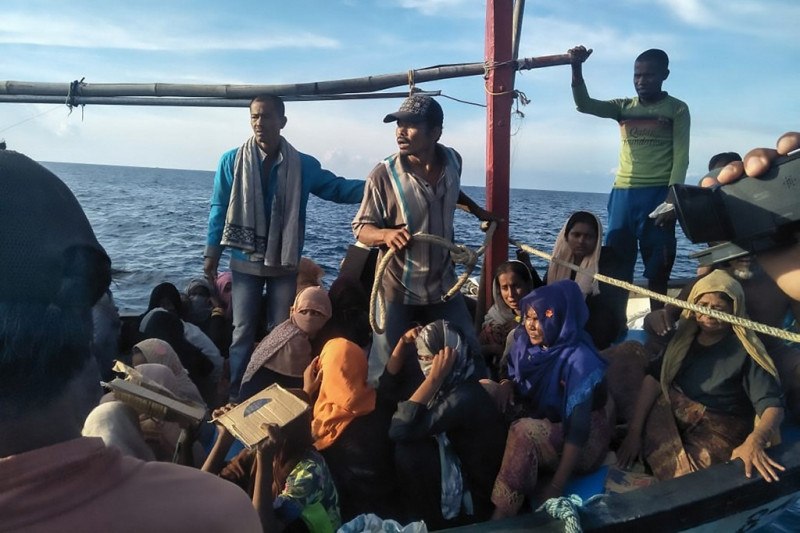

KUALA LUMPUR – Human and migrant rights advocates have not taken kindly to the government’s decision to conduct surveillance on refugees in the country via a tracking system, describing the move as a violation of fundamental liberties.
Expressing their displeasure and concerns, they also accused Putrajaya of bulldozing the programme without first consulting other stakeholders, including non-governmental organisations (NGOs) and refugee leaders.
Speaking to The Vibes, North-South Initiative executive director Adrian Pereira said the implementation of the Tracking Refugees Information System (TRIS) reeks of xenophobia and is a knee-jerk reaction that would only add to the misconception that refugees are problematic.
In this regard, he urged the government to review its decision and to instead formulate laws that would better protect the community and grant them equal rights to, among other things, education and health.
“Surveillance has been used by different governments to clamp down on human rights. This is something we must rethink about,” he said when contacted today.
“The method of surveillance could become a violation of privacy, and certain parties can now take advantage of their (refugees) locations. The government did not consult with any of us, and surely, we do not welcome the move.”

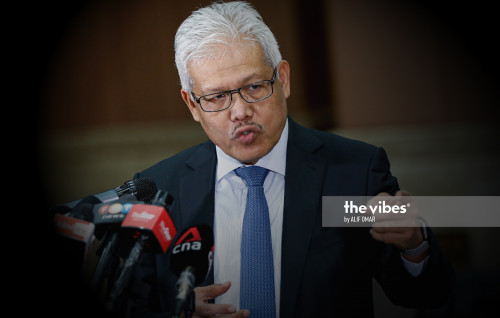
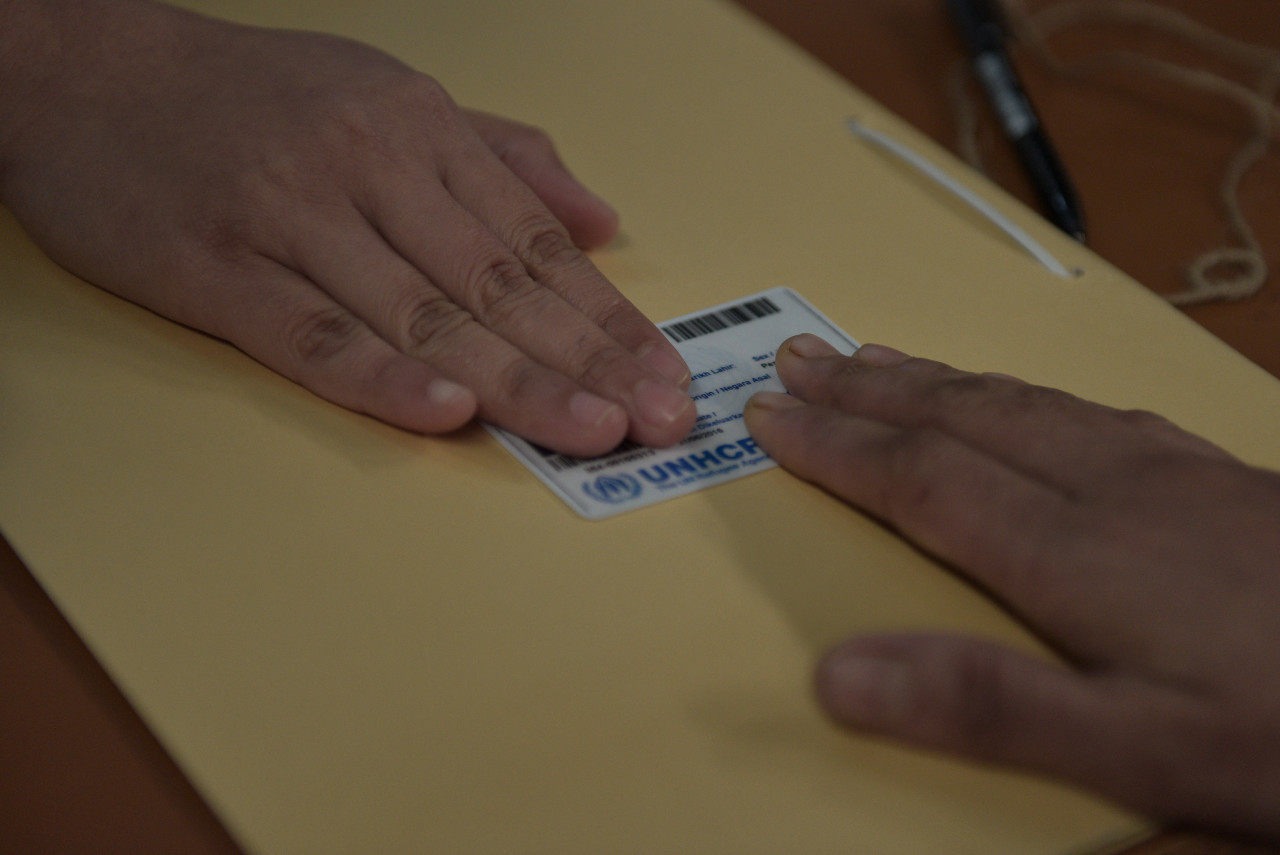
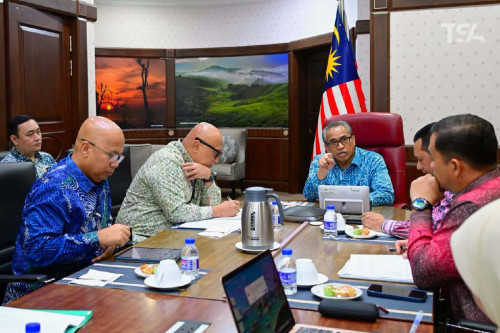
He was commenting on Home Minister Datuk Seri Hamzah Zainudin’s announcement yesterday that the adoption of TRIS has been given the thumbs up, in a move that will now require all United Nations High Commission for Refugees (UNHCR) cardholders to register with the system to allow the government to track their whereabouts.
The system, which has been on trial for several years and will be handled by a private company, will enable the government to determine if the refugees are living in the country for the purpose of employment or “to carry out other matters”, Hamzah had said.
The Vibes is attempting to reach out to the UNHCR for comment, including over concerns that the introduction of TRIS would make light of the UNHCR cards currently held by refugees.
Unconstitutional, short-sighted solution
Pereira questioned if the implementation of the tracking system is even constitutional, with no existing laws allowing for such a practice to take place.
Separately, he said TRIS would only lead to a duplication of work, with refugees already required to obtain UNHCR cards to reside in the country, and warned that the new system could open the door to further abuse and corruption.
Civil rights activist Josef Benedict echoed Pereira in saying the system would lead to more abuses in Malaysia if it is not done in collaboration with other existing agencies overseeing refugees, like the UNHCR.
“I would be very concerned because it appears there is a real lack of accountability in Malaysia today, with the government going on their own without consultation.”
Benedict, who is a researcher at global civil society group Civicus, reminded the government of every person’s right to liberty, regardless of their citizenship.
He added that any attempt to conduct surveillance on refugees’ whereabouts is only a short-sighted solution to addressing the bigger issue of the influx of undocumented migrants entering Malaysia.
“What it (implementing TRIS) does is it raises serious concerns over fundamental human rights, especially as refugees are already vulnerable enough in this country.”
Misplaced priority
Centre for Human Rights Research and Advocacy founder and chairman Azril Mohd Amin said the introduction of TRIS shows that the government has misplaced priorities, when greater effort should be focused on uplifting refugees.
Chiefly, he noted how Malaysia is not party to the United Nations’ 1951 Refugee Convention nor its protocol, and therefore does not recognise refugees.
“The priority should be about ensuring their welfare and giving them access to education, employment and health, among others.
“They should be supporting, or at least recognise, the works currently done by NGOs in providing free education and access to proper healthcare to the refugees.”
Like Pereira and Benedict, Azril also concurred that Putrajaya ought to work with UNHCR for better data sharing, while also urging the government to empower NGOs when it comes to registering refugees and determining their statuses.
According to TRIS’ website, refugees and asylum seekers aged between 19 and 59 are required to pay RM500 in order to be officially registered under the system, upon which they would be given a special identification card known as MyRC.
It added that registering under the scheme will minimise the risk of them being arrested by local authorities. – The Vibes, July 24, 2022








.jpeg)