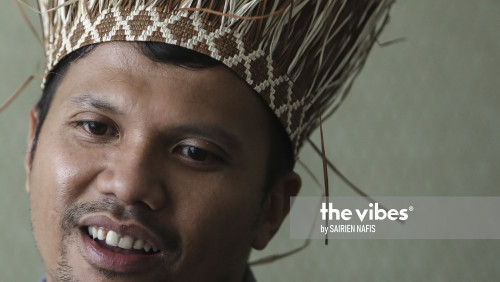
KUALA LUMPUR – The Dayak community and other indigenous inhabitants of Sabah and Sarawak should no longer be classified as “lain-lain” (others) for national registration purposes as it is demeaning, said Parti Bansa Dayak Sarawak Baru (PBDS Baru).
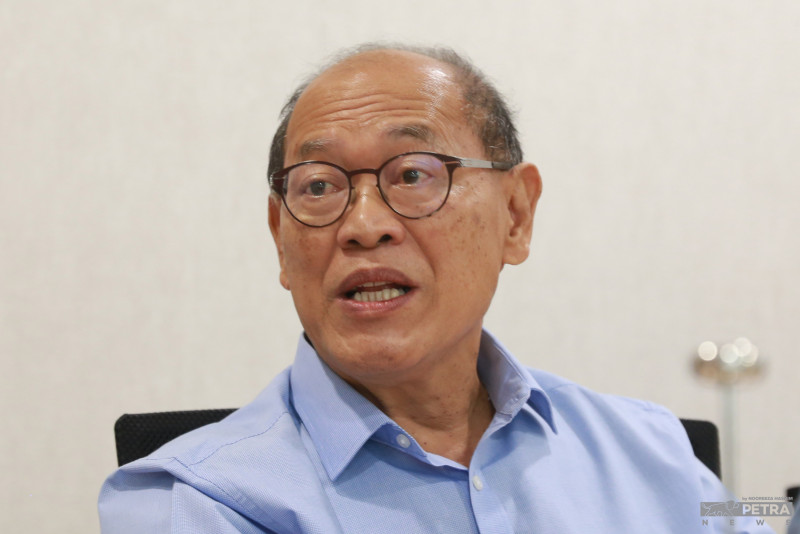
The party’s permanent chairman John Brian Anthony also said including a person’s race and religion in the national identity card (IC) creates a divisive and sometimes confusing classification of people, which can lead to the marginalisation of certain groups.
Anthony also said that racial classification remains a “hiccup” towards nation building, especially in fostering unity in multiracial Malaysia.
When we talk about Malaysia, it is only about the Malays, Chinese and Indians. But the Dayak population is as big as the Indian population, although there are only three races (listed in the national registration form).
“So, what about the Orang Asal (indigenous communities) of Sabah and Sarawak? They are listed as lain-lain and that has been the case since independence.
“So, we are put at a disadvantage. The implications are grave, like Bumiputera-ism is nonsense to us because we are not respected even though we are Orang Asal and the term lain-lain means we could be anything,” he told The Vibes when met recently.
Anthony said the Dayak community consists of over 200 indigenous tribes and two million people in Sabah and Sarawak.
“Of course, it would not make sense to list out all the tribes in the form, but they should at the very least place another box denoting a category for Orang Asal (from) Sabah or Sarawak,” Anthony said.
However, he reiterated that he was against racial and religious identification in ICs.
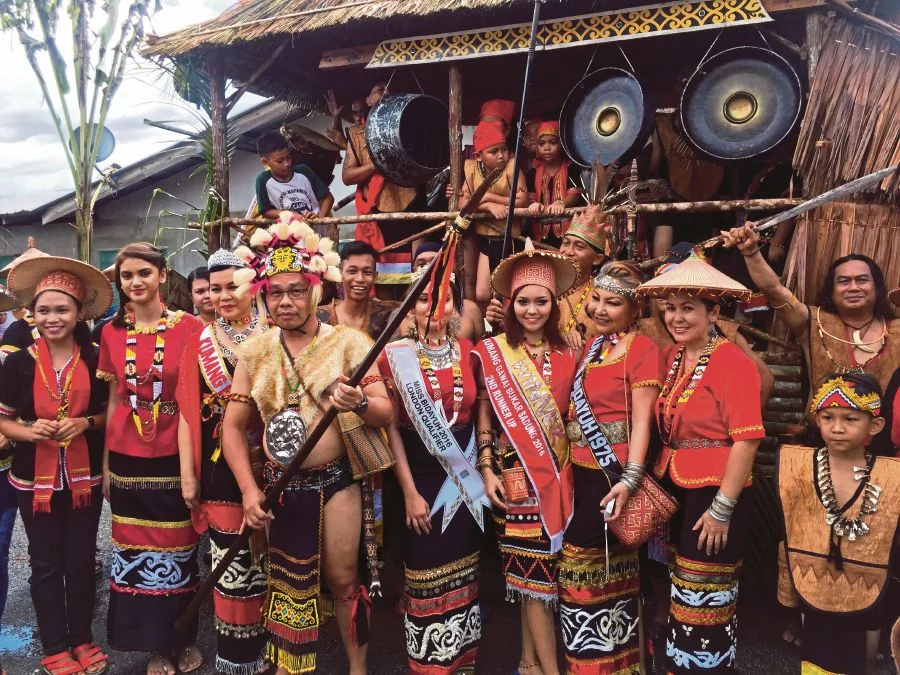
Currently, PBDS Baru is the sole Dayak party in Sarawak, which aims to unite and consolidate the community’s voices in the state, Anthony said.
Anthony explained that racial classification, religious intolerance and income disparities are among the issues that have led to the Dayak community feeling disfranchised or dissatisfied with the federal government.
He said he was perplexed that the federal government was quick to execute laws under the Petroleum Development Act 1974 yet failed to keep to its promises under the Malaysia Agreement 1963 (MA63).
Left behind on development
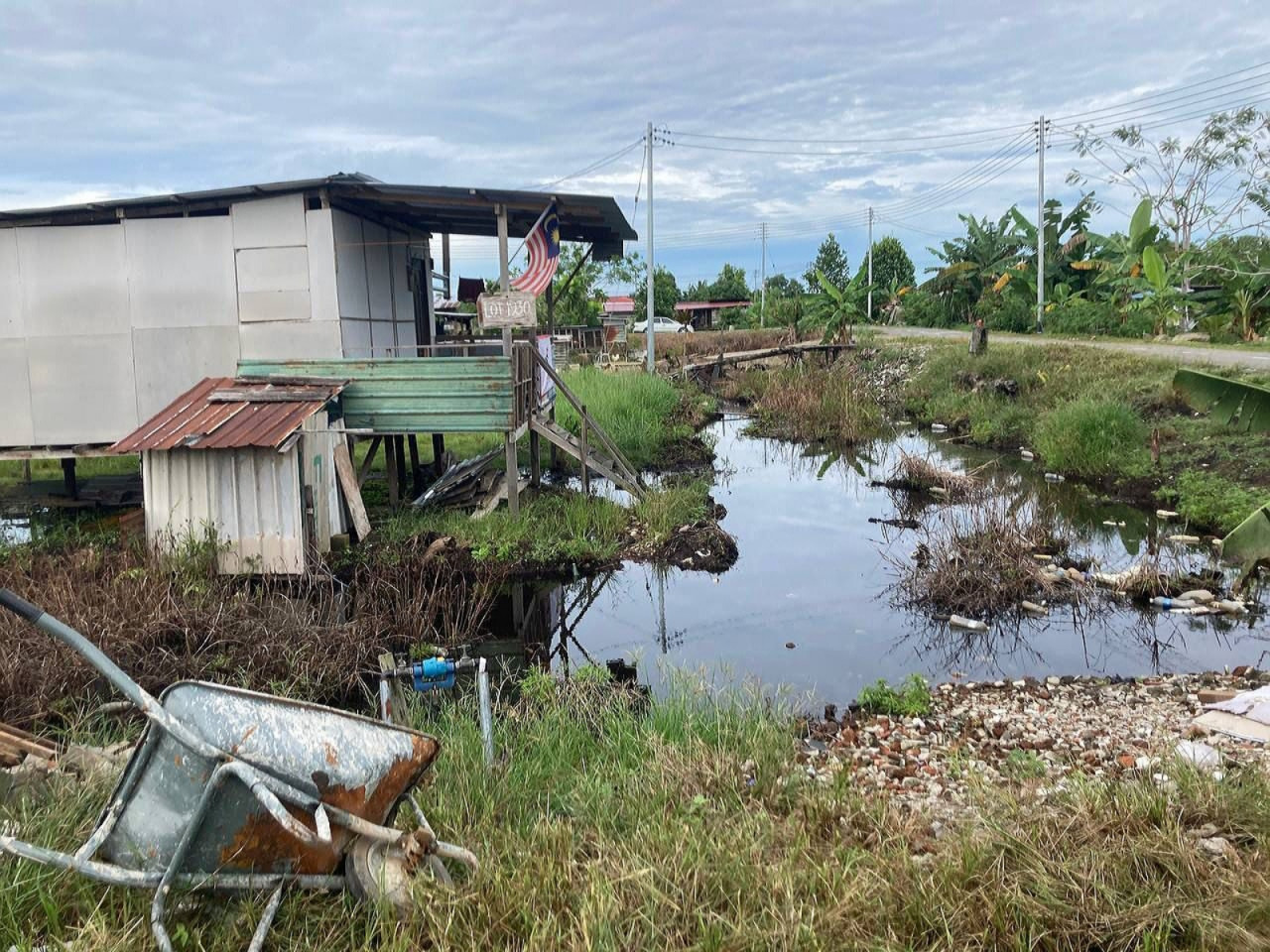
Anthony also lamented that the lack of development in the state remains a major issue, and explained that Sarawakians are frustrated with highlighting basic infrastructure woes, such as dilapidated schools.
Poverty in the state covers both rural and semi-rural constituencies and across all races in the state, so what did you (the government) do with our money? The state is so rich but the people are so poor.
“Some schools in Sarawak can’t even turn their diesel generators on, as they do not possess enough diesel. It’s odd that the state is an oil producer, but you can’t even get diesel to power the generators to keep the lights on in our own schools,” he said.
However, Anthony stressed that the majority of Sarawakians still want to be within Malaysia, but insisted that West Malaysia must keep to its promises made under MA63.
Asked whether the situation in Sarawak is also due to its state leaders, Anthony agreed, explaining that state leaders seem to pander to the whims and fancies of federal leaders.
He also explained that abject poverty in the state seems to benefit those in power, and who often leverage government aid for political gain.
“One of the objectives of colonialism is to keep people in abject poverty so that those who are poor would appreciate even breadcrumbs,” he said. – The Vibes, August 12, 2022