
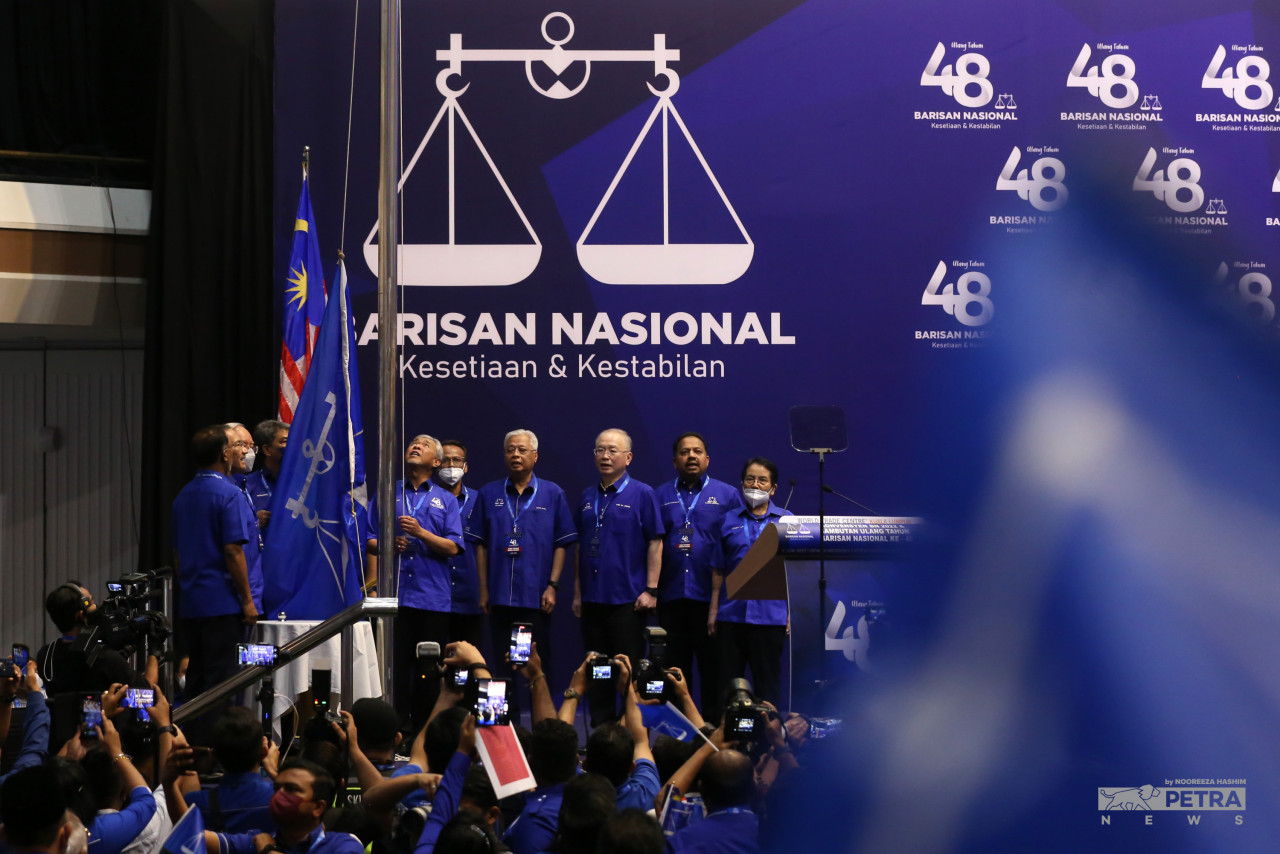
KUALA LUMPUR – A general election by the fourth quarter of the year is most ideal for Barisan Nasional (BN) and its linchpin Umno, as greater economic uncertainties ahead may shake what confidence the former ruling coalition currently enjoys.
While many in Umno have justified calling for snap polls in recent months by citing BN’s massive wins in the Johor and Melaka elections, several senior Umno leaders revealed that this “feel-good” factor is running on fumes as Malaysians have been battered by a multitude of social and financial issues coming out of a prolonged and challenging pandemic.
A major concern for these party leaders – especially those reviewing reports from the ground in Kedah, Penang, Perak, Melaka, Negri Sembilan and Johor – is the mixed show of public support for BN.
Public confidence in the coalition appears to be slowly eroding as BN, being part of the current government, is seen as having failed to manage the national economy and stem the rising costs of living and essential goods, sentiments show.
The usual tactic of shifting blame to Perikatan Nasional ministers or Pakatan Harapan for past failures is also producing diminishing returns as the public is more interested in effective solutions, the Umno leaders said.
“In April, from the data that we had, we were confident of securing between 42% to 48% of total votes, if the election is to be held by the third quarter of the year.
“Then inflation hit, the cost of living rose, and there was an overall decrease in the quality of life, but the saving grace is the government’s announcement that it will disburse nearly RM80 billion in subsidies (for this year). But even we know this is not sustainable.
If they keep moving the election, then our fear is that Umno and BN do not have a solid narrative to rely on. So ideally, we need to do it immediately,” one senior Umno leader familiar with the party’s preparations for the general election said.
He also projected that BN can secure enough votes for at least a simple majority, or 120 seats, while leveraging on a fractured opposition bloc. The Dewan Rakyat has 222 seats.
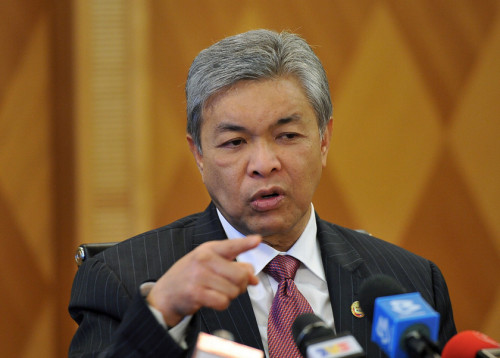
Critics in the opposition have accused Umno of pushing for early polls to save party president Datuk Seri Ahmad Zahid Hamidi and predecessor Datuk Seri Najib Razak from their corruption cases, in the confidence that BN will return to federal power.
However, some of the coalition’s senior members say the reason for a snap election is simpler – the economy and its uncertainties are “invisible hands” that could hurt BN’s chances of winning big.
Economic indicators point to a global market that will likely head into a recession or even hyperinflation as early as the first quarter of 2023.
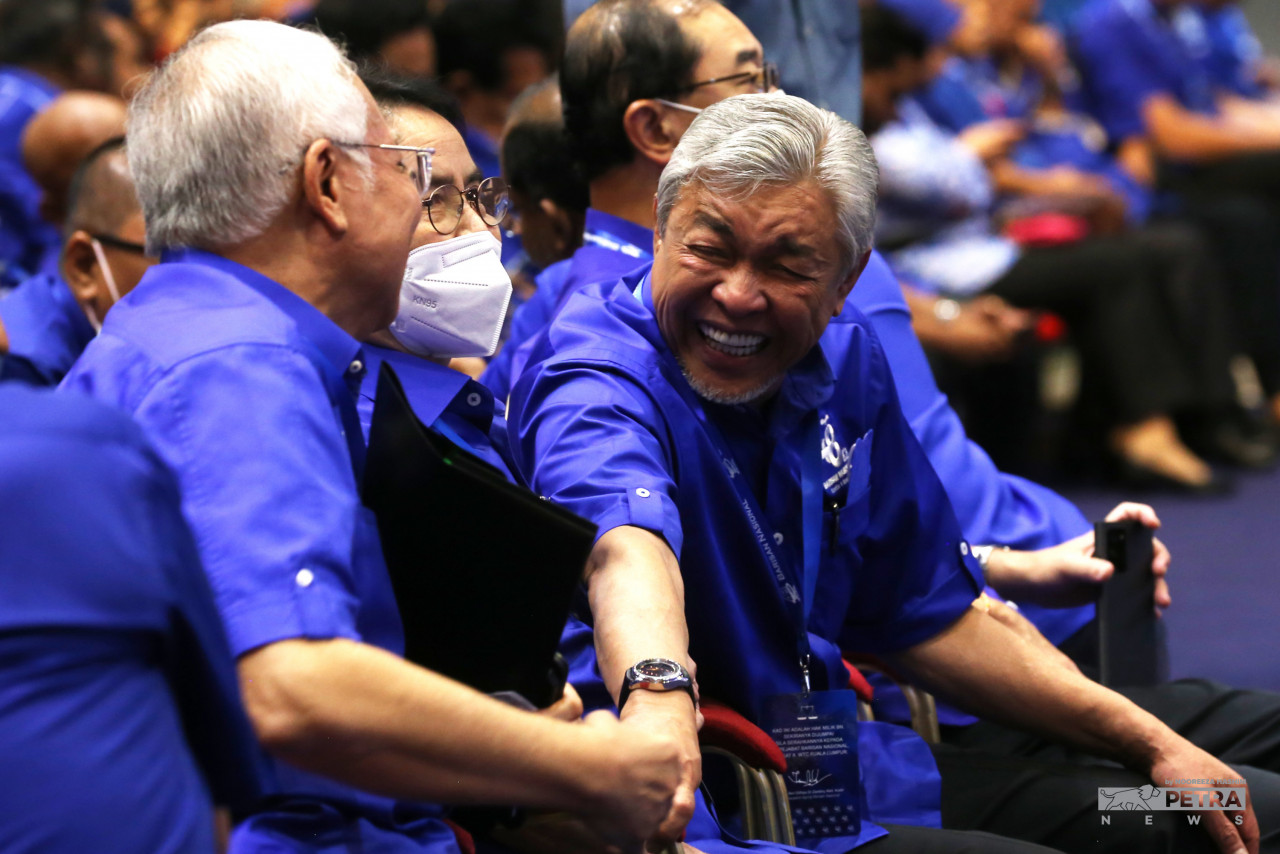
A senior Umno leader said BN would commit “political suicide” if it were to head into an election when Malaysians have bigger priorities, such as trying to survive an economic downturn.
“We do not know what will happen in the next six months to the global economy and calling an election then would be too late. It is like having an election during wartime.
BN will not have any room to manoeuvre and the government of the day will be tied down with firefighting. When that happens, rarely do any problems get solved.”
Bank Negara Malaysia yesterday reported 8.9% growth for Malaysia’s economy for the second quarter of this year, citing “normalising economic activity” post-pandemic. The central bank also projected GDP growth for the whole year to be between 5.3% and 6.3%, and inflation to be in the upper end of the 2% to 3% range.
However, it also warned that Malaysia’s economy still faces challenges from external factors such as the further escalation of geopolitical conflicts and supply chain disruptions.
Umno remains internally split
Another reason early polls are best for Umno is its deepening factionalism.
The most obvious camps are the front-bench parliamentarians who support Prime Minister Datuk Seri Ismail Sabri Yaakob, and the backbenchers, most of whom seem to support party president Zahid.
Ismail Sabri as prime minister holds the prerogative of dissolving Parliament and holding an election when he sees fit. However, he is only a party vice-president and has little influence on candidate selection within the coalition. The final say lies with Zahid.
The perception of a tug of war between the two camps is distracting and threatens the fragile peace within the party, Umno leaders also said.
Early polls would help Zahid keep up momentum for the whole party and prevent further discontent, they added.
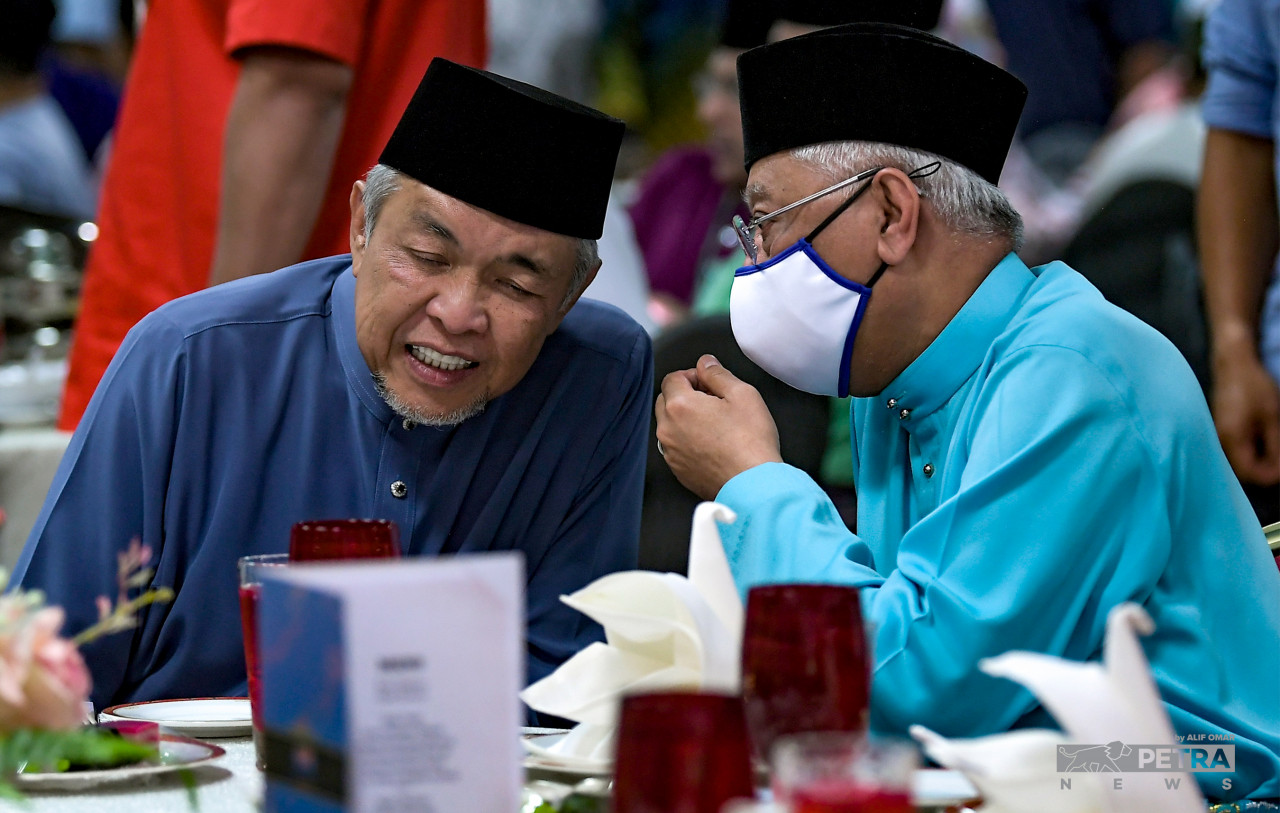
Umno has just completed work on its main election machinery platform, known as Jalinan Rakyat, in Peninsular Malaysia, at least. It is now focused on seat negotiations with MIC and MCA.
“So all these massive preparations cannot be for nothing. He (Zahid) wants everyone to run headlong in the same direction because this way you are less likely to talk about party politics and just focus on winning,” said a senior party leader from an Umno chapter in Kuala Lumpur.
Umno had recently voted to postpone its party polls from being held this year, fearing a free-for-all brawl among party members and leaders.
“This is exactly what we want to avoid. It is dangerous when the election machinery is idle,” said the same party leader.
The longer we wait, the more likely they will question every party decision, every statement, or even question the validity or credibility of leaders.
“PKR and DAP have largely solved this problem because they have concluded their party polls.
“For the time being, it is beneficial for Umno to postpone the party polls but if we keep waiting then it is likely this will be a huge problem down the line if we do not head into the general election first.” – The Vibes, August 13, 2022