
KUALA LUMPUR – Despite being competitors, media practitioners must present a united voice to ensure the collective survival of the industry, said veteran newsman Tan Sri Johan Jaafar.
Referencing the independent Indonesian Journalists Association, Johan said a similar organisation here would benefit the media industry, as it would serve as a way to address interference from the authorities.
“I have very strong reservations if a media council were to be led by the government. In fact, I would not support (such a move),” he said during a recent podcast session with The Vibes.
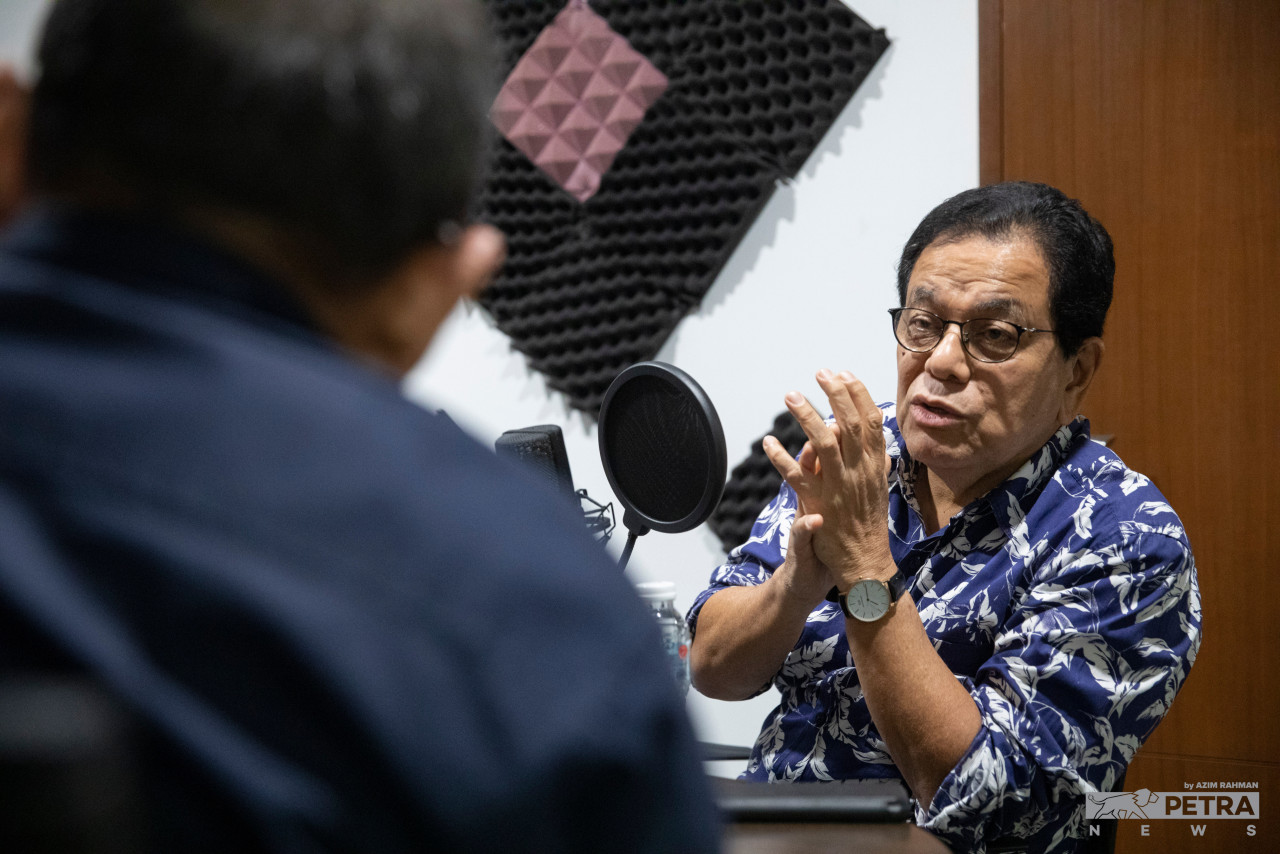
Implying that “government-friendly” members of such a formal body would bring about more bane than boon for the press institution, he added that journalists presenting a unified front that sets aside competitiveness will ensure the collective survival of the media industry.
“We (journalists) must stand united on certain issues. We are definitely competitive and we tend to treat other companies (as if) they are our enemies, but we must realise that the survival of our entire media construct is at stake.
Journalists will never be judged based on our loyalty, but we will instead be reckoned by our professionalism and integrity – we must always remember this basic principle.”
He also lamented how the government appears to be hesitant in acknowledging the integral role played by reporters, saying: “Why can’t they (the government) even appoint a senator from among journalists?
“It is about time that they make such a move, since even journalists in Indonesia are selected to hold powerful positions and are respected by their government authorities.”
Johan’s comments follow recent events alluding to media suppression, including the removal of New Straits Times’ (NST) group editor Ahmad Lokman Mansor due to alleged interference by Umno bigwigs and the criminal prosecution of former The Edge editor-in-chief Ahmad Azam Mohd Aris over two articles on penny stock manipulation.
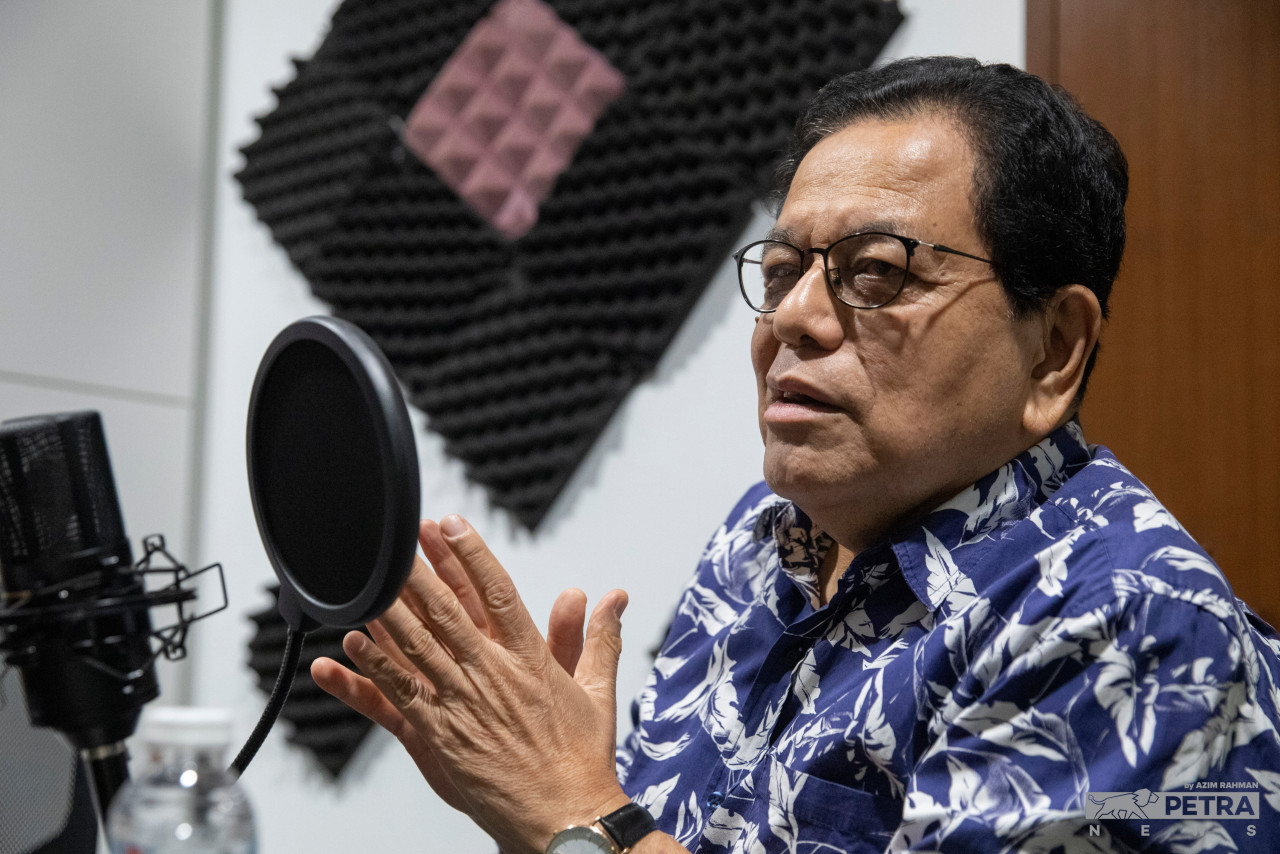
Commenting on Azam’s case, Johan said that there is a need to do away with “archaic laws” that repress media freedom, such as the Printing Presses and the Publication Act 1984 as well as the Sedition Act 1948.
There are other means and apparatus that can be mobilised against people you believe have wronged you. We should relook at the laws that we are governed by as some are irrelevant in this day and age.”
Azam faces criminal charges under Section 500 of the Penal Code on defamation, which carries a prison sentence of up to two years, or a fine or both.
There has since been an outcry over the criminal defamation proceedings, with former deputy Minister in the Prime Minister’s Department (Legal Affairs) Mohamed Hanipa Maidin highlighting that the criminal indictment could be viewed as “oppressive prosecution”.
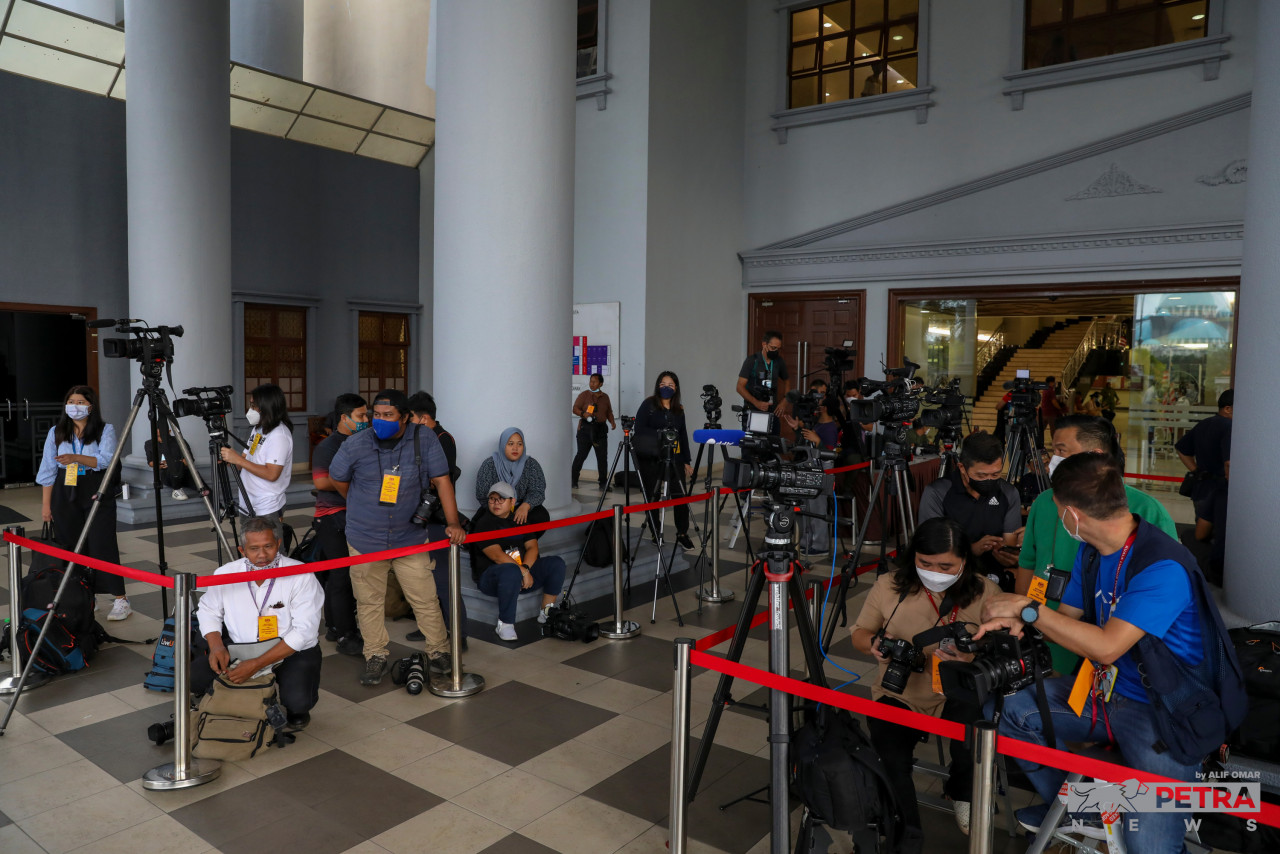
The Edge Media Group publisher and group chief executive officer Datuk Ho Kay Tat had also lamented that police and the deputy public prosecutors’ office should have advised the complainant – a private businessman – to file a civil suit against the company instead of using public resources.
While Johan credited Prime Minister Datuk Seri Ismail Sabri Yaakob, who appears to be taking a stand against interference, he said the stance does not seem to apply to his ministry.
I salute the prime minister for his statements (assuring preservation of media freedom), but his administration does not look like it is reflecting his approach.
“A lot of good will come from the prime minister standing firm with his position (on press freedom).”
Following the controversy involving the two publications, Ismail Sabri had assured media practitioners that the government would not interfere in the impartiality of the press as long as the reporting is accurate and credible.
However, Pakatan Harapan had warned the prime minister that such assurances should not be lip service and must be translated through consistent action. – The Vibes, September 20, 2022




_Cloud_Day_-_AZIM_RAHMAN_11.jpg)