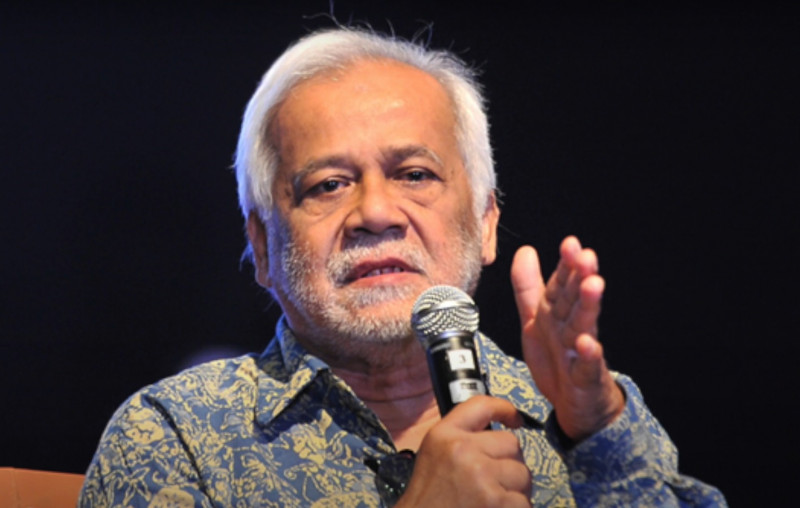

GEORGE TOWN – The growing B40 segment or Malaysians at the bottom 40% of household incomes, is a sign that the economy needs reforms despite having good figures on paper, veteran economist Tan Sri Kamal Salih said.
Speaking to The Vibes here, he said the pandemic had increased the number of low- and middle-income earners, and they have now changed the conventional definition of the B40 in a developing country like Malaysia.
The B40 should now be called the B60, Kamal said, as formerly middle-class households have slipped down due to the depressed economy coming out of pandemic lockdowns and facing the likelihood of a global recession.
“The B20 is in fact the new middle-class, while the very poor should be called the L20 (lowest 20%), while only 10% of the country’s population can be considered well-off,” the founder of the Malaysian Institute of Economic Research said in an interview.
With Budget 2023 to be tabled on Friday, he said the government should take the opportunity to address fundamental issues with the economy, despite political pressure and the temptation to settle for an early general election.
Many may be expecting the budget to be a feel-good one with goodies to woo voters in the polls, but Putrajaya must have the gumption to make significant reforms to deal with fiscal debt and low productivity, as these affect sentiments towards the ringgit, which recently hit a record 24-year-low, he said.
Although government personalities are quick to say that weak currencies against the US dollar is also happening to other countries and that Malaysia’s growth remains on track amid external headwinds, Kamal said there are still issues Putrajaya has not adequately tackled.
“Look at our own backyard, our rising public debt, (lack of) human capital and our productivity levels.”
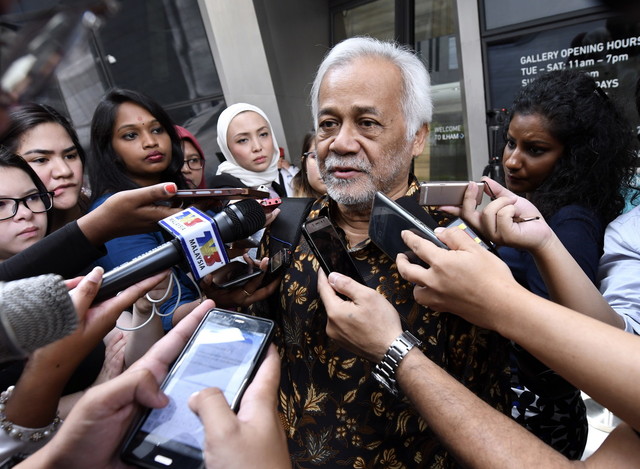
He added that economists have recognised that while the Malaysian economy is growing, growth should also be accompanied by reforms.
“Growth and reforms must go hand to hand if Malaysia wants to register not just growth on paper but meaningful development in the economy.”
The lack of meaningful development, despite good macroeconomic figures on paper, has led to more of the population falling into the B60 category, he said.
Pay attention to real issues
Malaysia should thus not only blame the ringgit’s slide on rising US interest rates, or disruptions to the global supply chain and inflationary concerns, but start looking at serious “local factors” and adopt a more holistic view of the economy, Kamal said.
“Look at the fiscal policy and its exposure to a burgeoning civil service of some 1.8 million staff. Then, public-private household debt and sluggish growth in the real economy, despite impressive figures on paper.
“We also have a gaping public debt of some RM30 billion,” he added.
“Revenue collection is also muted due to the withdrawal of the more comprehensive Goods and Services Tax in favour of basic Sales and Services Tax, so the government’s ability to spend efficiently is also affected by limited revenue.”
Without significant funds needed to prop up the economy as well as massive expenses in public healthcare to fight Covid-19, the revenue shortage will eventually have an impact on the economy.
While there are no easy solutions to the myriad issues confronting the economy, Kamal said one certainty is the need for a pool of well-informed leaders.
“We need a strong political will to address our issues. After all, some of our economic policies were disrupted by our own politicians. They need to realise reforms are crucial.” – The Vibes, October 2, 2022