
KOTA KINABALU – With a new batch of youth voting for the first time this coming general election, questions have arisen – do they have sufficient knowledge of politics, or do they even care about politics?
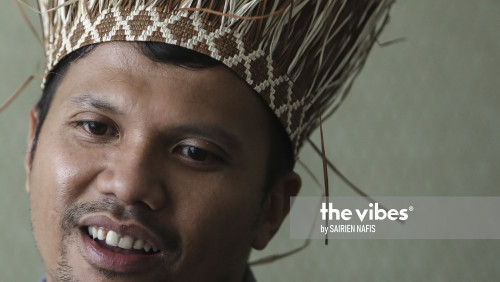
Sabah Youth Council (SYC) president Abqaree Fawwaz Abakan opined that in Sabah, news reporting on politics by the media have failed to get youth interest in politics.
“As a result, they do not care to vote.”
He said most youth find that politics have nothing to do with their world.
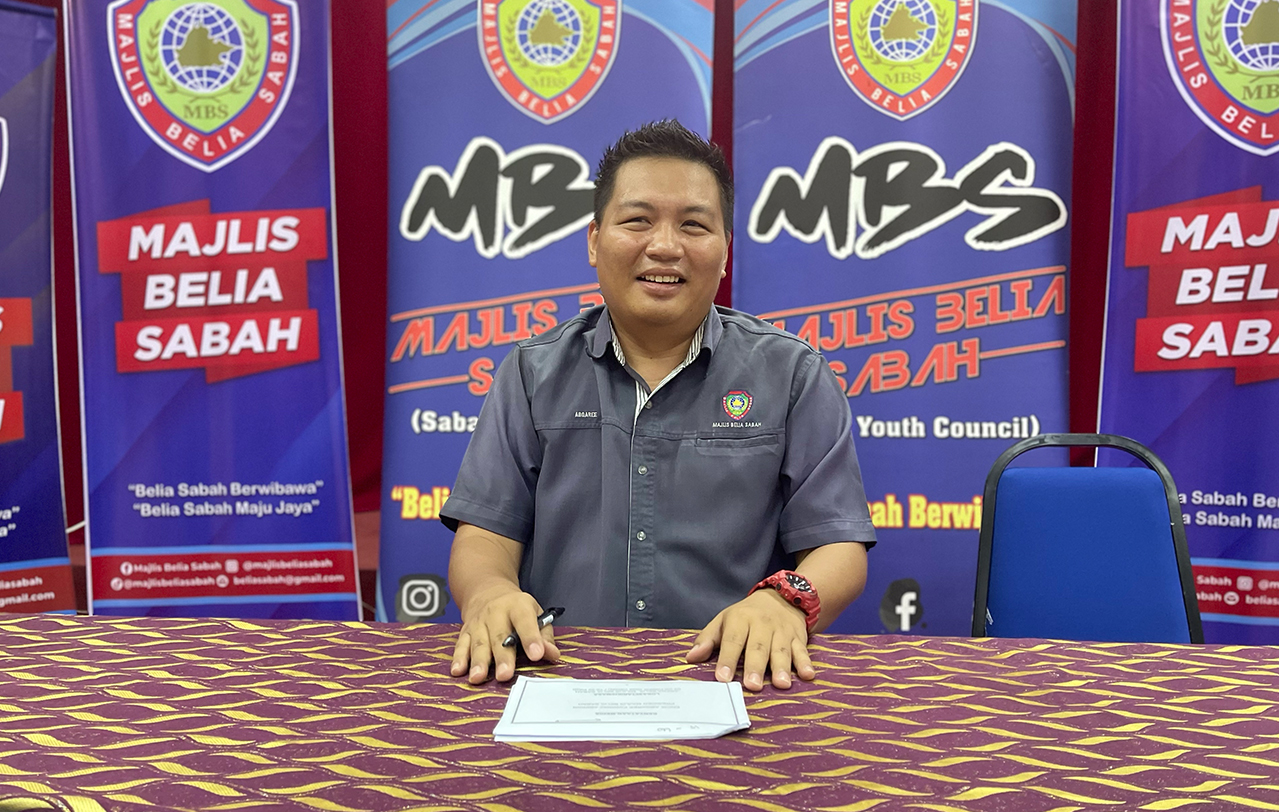
“We see that right now, awareness on the importance of voting is very low among the youths.
Youth do not really care (about politics). They think nothing makes them interested in knowing more.
“The Youth and Sports Ministry and its departments have been conducting Undi18 campaigns (for new voters aged 18 to 21) to educate them on the importance of voting.
“But awareness as of now is still very low,” he told The Vibes in an interview recently.
Abqaree also opined that one of the ways for youth to feel politics is relatable is if they are led by political leaders who are young.
“I don’t reject seasoned politicians, but I don’t want my children to be voting for someone their grandparents voted for too.
“Their ways (of leading) and ideas may no longer be relevant today, especially for the younger generation.
“Let youths lead the youth so that we can truly see a change. We see other countries have young leaders, but we (Malaysia) have seasoned leaders who refuse to let go (of their positions to lead),” he said.
Abqaree also shared that his biggest concern is that the “election goodies” would sway youth votes given their lack of knowledge in politics.
He said Malaysians have witnessed the older generation’s votes being influenced by tokens or money given by political parties, limiting Malaysia’s room for development.
Enough that it had happened to our parents and grandparents. Don’t let this happen to our youths too.
“Indonesia has developed rapidly because its people have ignored (election tokens). Here, our culture has remained the same. This is the culture that the youth have to reject,” he said.
In August, a heavily circulated TikTok video showed a young man asking random youth who is the chief minister of Sabah, and only one could answer correctly.
This could mean that the youth have very minimal knowledge of politics among the youth, a notion further confirmed after this writer interviewed several youths aged 18 to 21 who said they do not know about politics and will not vote.
Speaking to The Vibes, Sg Sibuga PBS division chief Kasirin Kamiran also opined similarly, saying youths in Sabah feel that politics is only a game for “older men”.
“They don’t see how politics will affect them, and they are not interested in the politicians.
“However, things may be different if election candidates are youths,” he said.
Kasirin also said that this is also a result of parents not educating their children about politics at home.
He said that unless their parents are in politics, youth, especially the coming new voters aged 18 to 21, will not know anything about politics, and they will not see the point of voting.
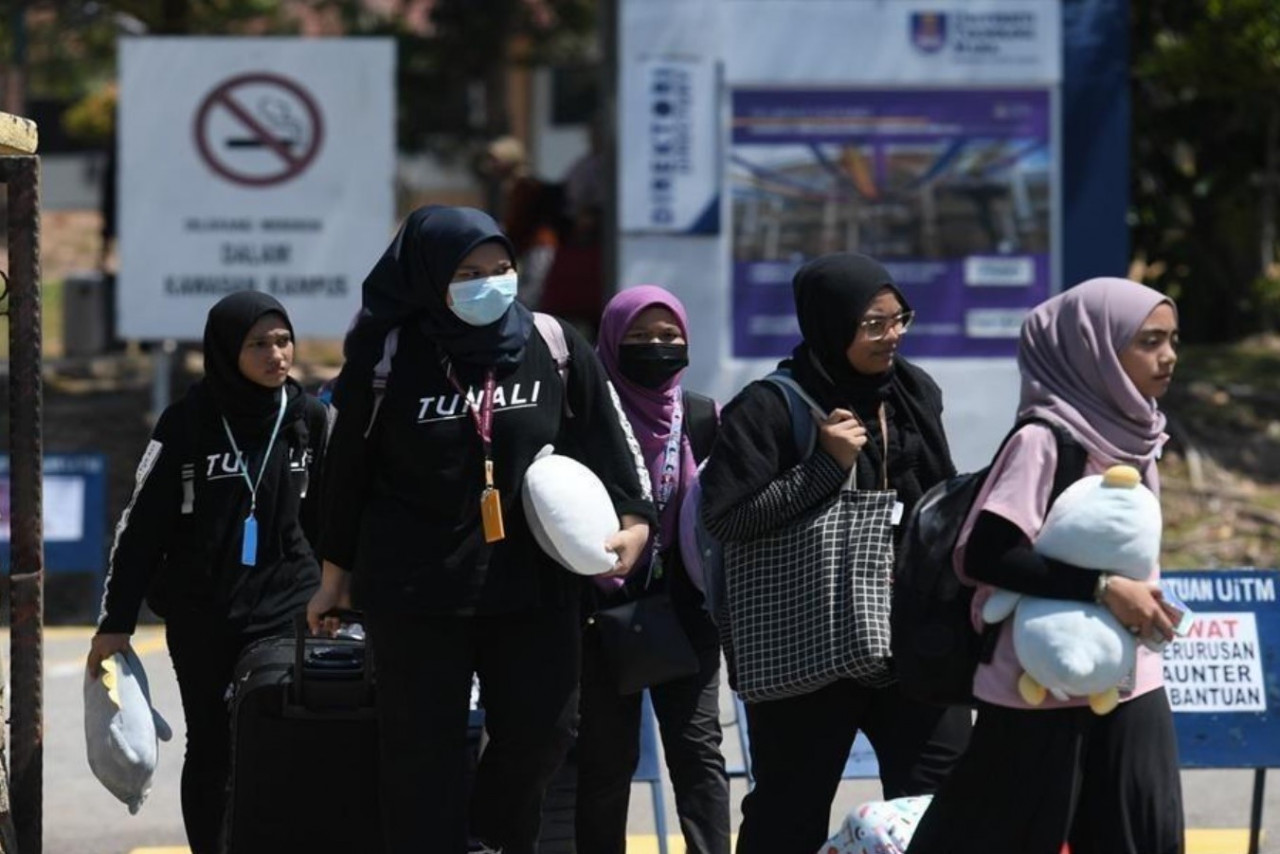
Meanwhile, a Sabah non-governmental organisation focusing on youth empowerment through democracy, Undi Sabah, thinks that youth are actually very curious about the voting process and are participating to fulfil their democratic duty.
UndiSabah co-founder Fiqah Roslan said through engagement sessions with youth in Sabah, she found that they should be encouraged to vote without having their level of understanding in politics questioned.
The question is always whether or not they are ready to vote or are able to make an informed decision.
“As a voter education activist, I believe it’s counterproductive to question the readiness of youth voters to face the polls because our mainstream education system does poorly to shape civic-conscious Malaysians and preparing youth to become democratically aware.
“I also believe we must normalise youth participation in political discourse and ensure there is a safe space for them to enter the conversation,” she said.
Fiqah added stigmas such as “you are still young, better focus on your studies and career instead of caring about politics” must be scrapped. – The Vibes, October 18, 2022


_Putrajaya_-_AZIM_RAHMAN_2.jpeg)