
KUALA LUMPUR – Pakatan Harapan’s (PH) decision to drop several popular names from its 15th general election (GE15) line-up may have drawn flak earlier, but observers expect this earlier unhappiness to recede as campaigning heats up following the filing of nominations yesterday.
The move might even prove beneficial to PH’s narrative, said Universiti Kebangsaan Malaysia’s Kartini Aboo Talib, although it could be a risk as well.
“The strategy to install new faces could lead to a better chance for PH to be appreciated (for projecting) an image of inclusivity,” she told The Vibes.
“I think it is a risk as well as an opportunity for PH to move forward with the idea (to drop certain incumbents).”
However, she said that it remains to be seen if the decision will play in the coalition’s favour.
For Singapore Institute of International Affairs senior fellow Oh Ei Sun, PH’s voters are more likely to vote with a larger goal in mind, even if some were unhappy at the axeing of their incumbents or preferred candidates.
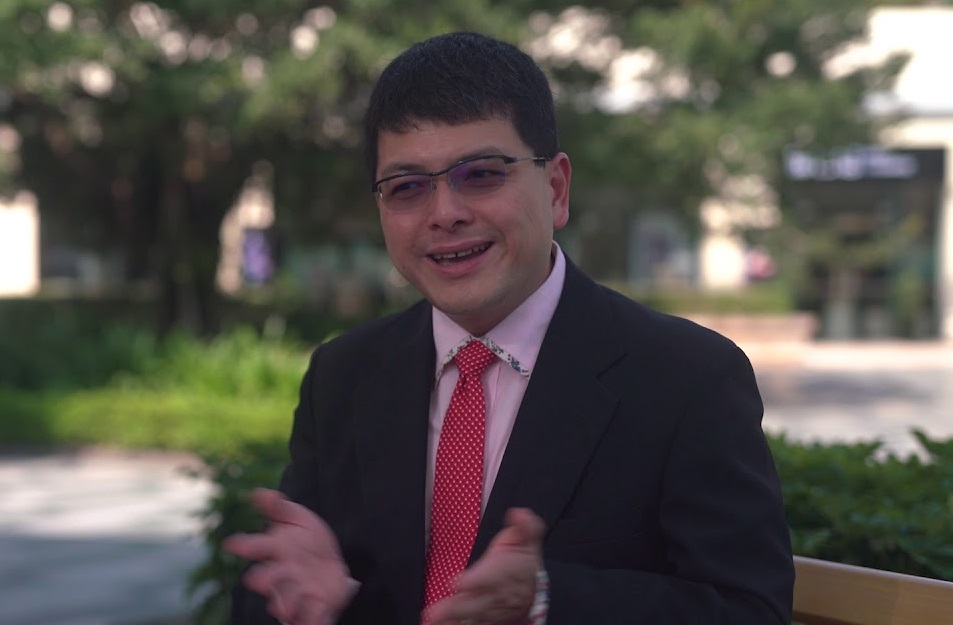
Oh said parties’ decisions to drop incumbents would not necessarily affect grassroots support of the coalition’s ideals.
This is because while voters ordinarily do take into consideration both the parties and candidates contesting in elections, opposition supporters in particular vote with a greater objective that outweighs the candidate.
“For opposition supporters, perhaps the party is more important than particular candidates, as (for them) the whole point of voting is to vote down the ruling coalition, not cherry-pick the most favoured candidates,” Oh said.
“While the withdrawals of these star personalities would perhaps slightly detract PH’s votes, they are not likely to significantly affect electoral outcomes,” he added.
For GE15, PH had dropped a few incumbents who were popular with their constituents and civil society groups, such as Sivarasa Rasiah (Sg Buloh), Maria Chin Abdullah (Petaling Jaya), as well as DAP’s Charles Santiago (Klang), and Amanah’s Mohamed Hanipa Maidin (Sepang). They will not be defending their seats to make way for newer candidates.
Subsequently, PKR deputy president Rafizi Ramli said it was a “party decision” to drop the incumbents.
Similarly, Selangor DAP chairman Gobind Singh Deo said the “difficult decision” to drop Santiago was made to ensure other candidates are given a chance to test their capabilities.

Axeing trend points at coalition leadership’s desire for ‘yes-men’?
Nusantara Academy for Strategic Research senior fellow Azmi Hassan, however, sees these moves as a possible attempt to button the lips of “outspoken” incumbent MPs.
Certain coalition leaders may be “uneasy” with the vocal nature of some MPs who could be looking to usher in more “controllable” figures, he said.
“When big names are replaced by new faces, there’s a perception that leaders found it difficult to control (some dropped candidates),” he told The Vibes.
“The only reason I can see to explain the dropping of certain senior candidates is to replace them with ‘quieter’ representatives who can be easily moulded or controlled by PH leaders.”
In Sg Buloh, Sivarasa’s former seat, PKR is fielding R. Ramanan instead. He is the party’s deputy information chief and a former MIC treasurer-general.
In Petaling Jaya, PKR dropped Maria Chin Abdullah and placed former Semambu assemblyman Lee Chean Chung.
Klang favourite Charles Santiago from DAP was replaced by Kota Kemuning assemblyman and Selangor exco V. Ganabatirau, while Amanah’s Mohamed Hanipa Maidin was dropped for the Sepang seat and replaced with Aiman Athirah. – The Vibes, November 6, 2022









.jpeg)