
KOTA KINABALU – Food assistance in Sabah should be distributed via vouchers to benefit local small and medium enterprises (SMEs) here.
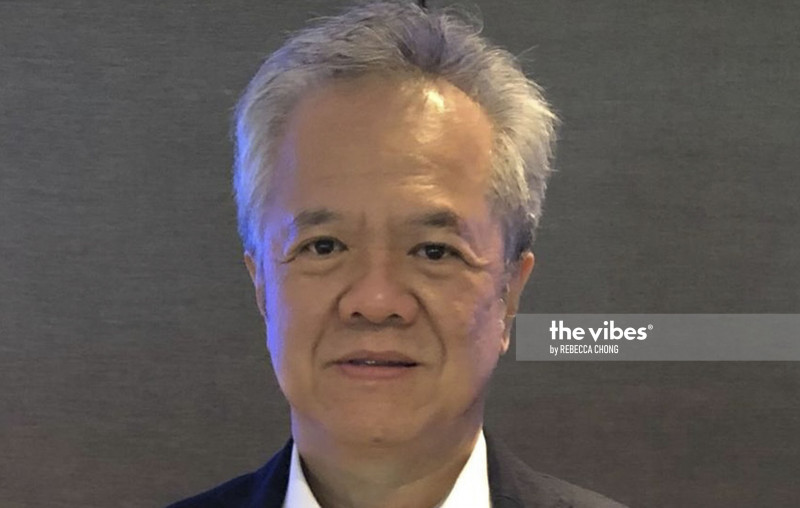
Sabah SME Association president Foo Ngee Kee said if vouchers are given to those in need of food assistance, recipients can purchase essential food items in local grocery stores, which would help local stores sell their existing stocks and earn from the government’s programme.
“This way, the grocery stores will not be keeping old stocks that are approaching their expiry dates. This method will benefit the masses.
“The people in Sabah's interior areas will enjoy the government’s assistance and the government can save on transportation fees; no need to have lorries transporting food assistance from one district to another,” Foo told an online forum organised by the Society Empowerment and Economic Development of Sabah (Seeds) last night.
Foo also suggested the state government source for workers locally for small-scale infrastructure projects to boost revenue for local SMEs.
He said projects, like repairing roads, bridges and schools, will have a spillover effect on the local economy if the contractors selected for the projects are from the area.
“For example, for a bridge repairing project in Ranau, get a contractor from Ranau. This contractor will then purchase materials from hardware stores in Ranau. This will not cost the government anything more.
“SMEs that can operate during the CMCO are desperately in need of business, so this will help local SMEs get income. It is also safer for all as there is no need for the contractors to travel across districts.
“When you save SMEs, you save jobs and you save the economy. A lot of SMEs are losing a lot of money but are still hanging on. They are willing to do this because they are also thinking about helping their employees. Business closures would mean losing their jobs,” he said.
On another note, Foo said commercial banks need specific guidelines on how to reach target groups, especially those badly affected by the Covid-19 pandemic.
“We know of cases in which businesses that are not badly affected are entitled for loans, and on the other hand, those who are about to lose their businesses are not.
“This is a targeting problem. Same goes with the wage subsidy programme; the assistance is extended for those in the tourism industry. However, not all those who are affected are in the industry. For instance, handicraft shops and seafood restaurants are not under the tourism industry, but their businesses rely heavily on the sector.
“If the government is finding it hard to identify who needs help, have a meeting with non-governmental organisations (like us). We will tell you who are most affected,” he said.
Foo added that the Special Relief Facility (SRF), with an allocation of RM10 billion by Bank Negara Malaysia, should allocate an amount specifically for Sabah.
“Maybe 10%; RM1 billion to Sabah alone so that Sabahans will not be left with only a small share when the allocation is divided among all states in Malaysia.” – The Vibes, November 28, 2020