![[UPDATED] Govt aims to revise time to bring in migrant workers to less than a month](https://media.thevibes.com/images/uploads/covers/_large/20230105_saifuddin_sivakumar_bernama.JPG)

PUTRAJAYA – The revised process for employers to bring in foreign workers is expected to take less than a month’s time, said Home Minister Datuk Seri Saifuddin Nasution Ismail.
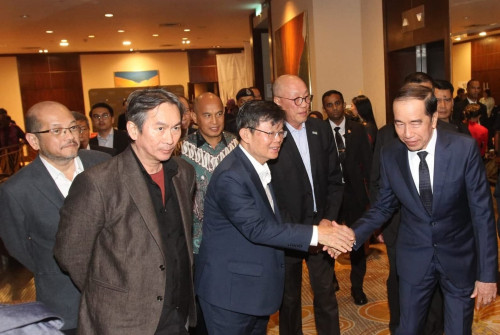
Speaking during a press conference here today, he said this is the target set by his ministry and the Human Resource Minister V. Sivakumar after the two ministries chaired a meeting addressing labour shortage issues.
Saifuddin added that the goal is based on how the ministries have decided to simplify the employer application procedure for foreign labour.
“It is hoped that the process of bringing in foreign workers will take less than 30 days.
“We have identified areas where the process can be simplified further.”
While he said that the government is hoping to exceed its current migrant worker approval rate of 43%, he declined to provide a definitive new target.
“Both ministries have agreed to relax the conditions and application procedures (for migrant worker quotas) to an optimum level.
“Stakeholders will be informed of the details on this matter from time to time.”
He said some of the simplified procedures will include immigration processes, security checks and employer qualification evaluation.
On changes made to the migrant worker employment process, Saifuddin said his ministry will be the “main custodian” managing 75% of the procedures.
He also assured industry players, employers and migrant workers that they should not lose sleep over the policy change, which he expects to take effect from January 15, pending cabinet approval.
“This realignment in functions will not affect the existing procedures and flow of applying to hire migrant workers, since the focus is on governance.”
Meanwhile, he said expediting migrant worker intake could increase the nation’s gross domestic product up to 1% in the first quarter of the year.
In 2022, Putrajaya had approved 676,070 of a total of 1,606,724 migrant worker quota applications.
As of December 31, there are more than 1.4 million migrant workers on temporary work passes in the country, with a majority of them in the manufacturing sector, followed by construction and services. – The Vibes, January 5, 2023