
GEORGE TOWN – The Penang government is set to explore the possibility of erecting a war monument to honour the victims of the Death Railway construction during the Japanese occupation.
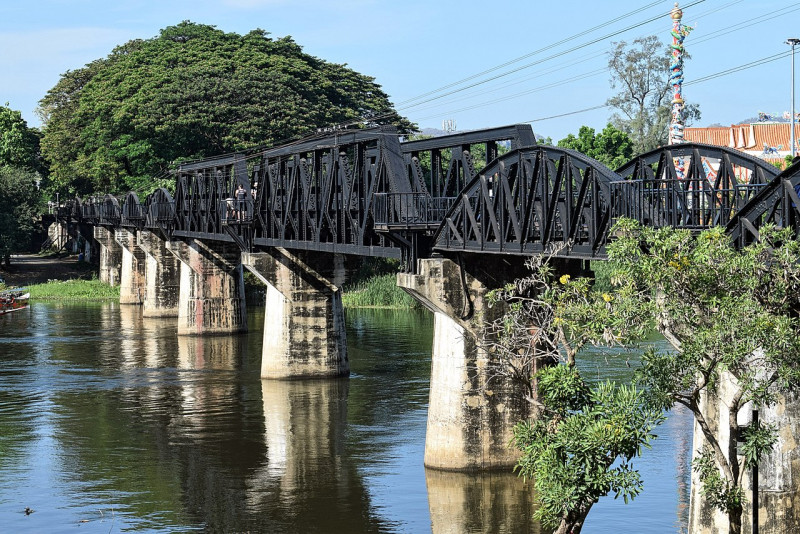
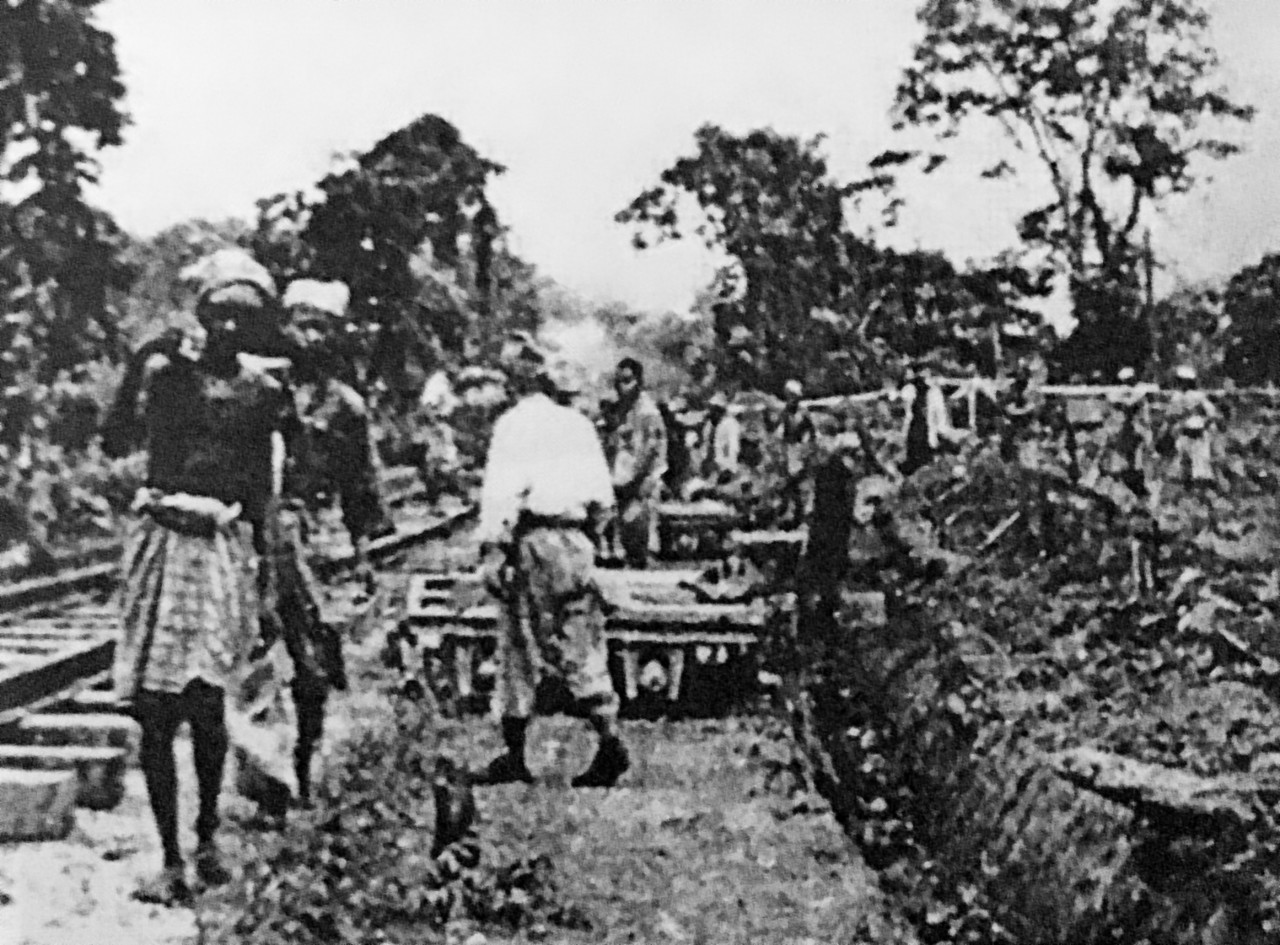
The railway line, which connects Thailand to Burma (now Myanmar), still exists and operates today. It saw over 100,000 forced labourers, including then-Malayans, Southeast Asians and Allied prisoners of war die during its construction stage – owing to inhumane treatment by the Japanese authorities.
While most of the original 415-km line was subsequently dismantled after the war, 130km of the line remains operational in Thailand today.
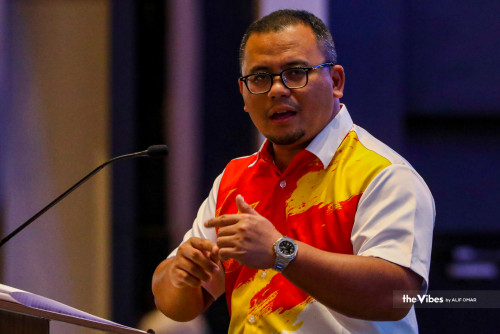
Penang Deputy Chief Minister II P. Ramasamy said the state government should consider erecting a monument in the country because currently, none are dedicated to the Malayan victims some 80 years ago.
He said this after holding a brief discussion with Death Railway activist P. Chandrasekaran, who has devoted decades to the cause.
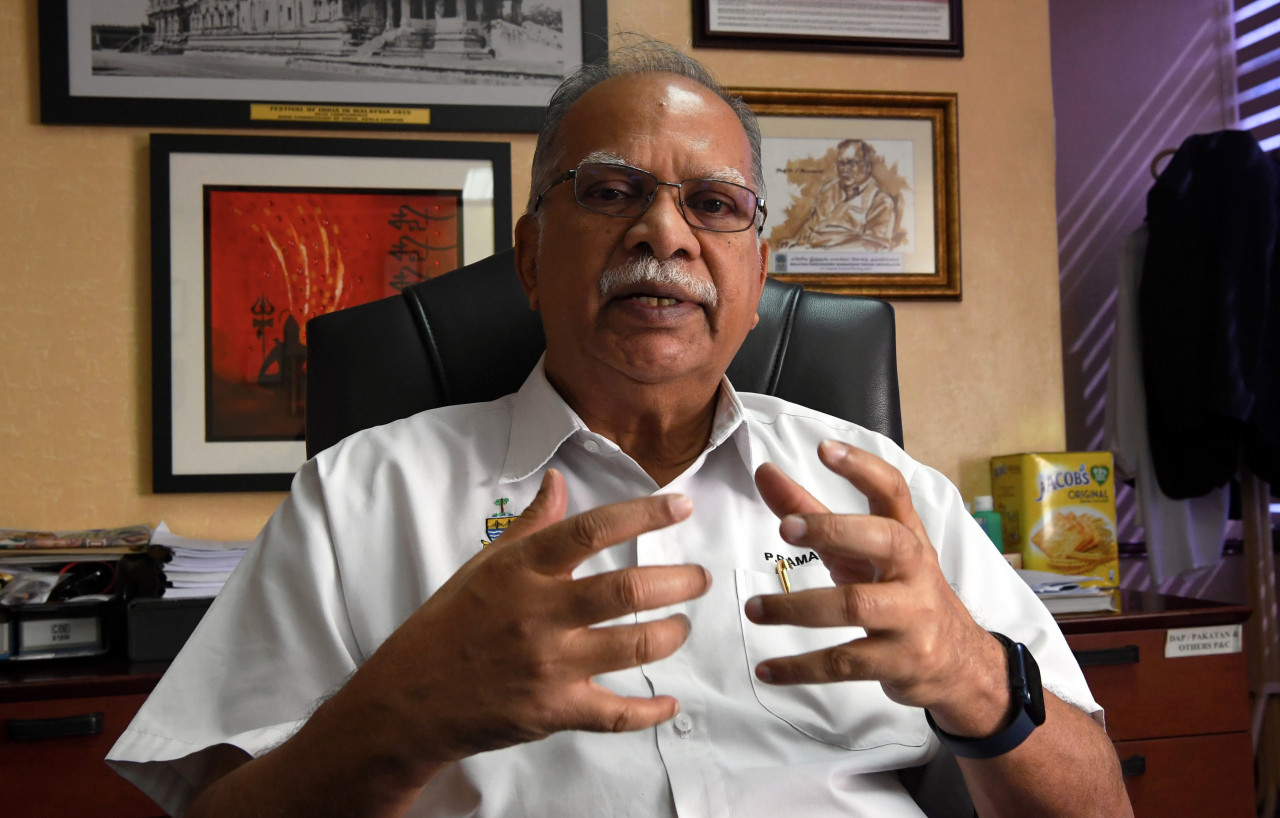
“It is rather unfortunate that until now, there is nothing concrete pursued over honouring deaths during the war – particularly from the civilian perspective, and especially the innocent who were held as hostages and prisoners in World War II.”
Chandrasekaran, who founded the Death Railway Interest Group, met up with Ramasamy recently on the latter’s invitation to seek a way forward for the issue.
“The Penang Hindu Endowment Board may have space for such a memorial, but it is of course subject to discussion with the state and the board,” said Ramasamy.
The Prai assemblyman told The Vibes that during his research as an academician on the Death Railway survivors, many remained scarred from their ordeal.
“The lessons of war can serve as a grim reminder for the future generations when mankind turns against each other during conflicts”
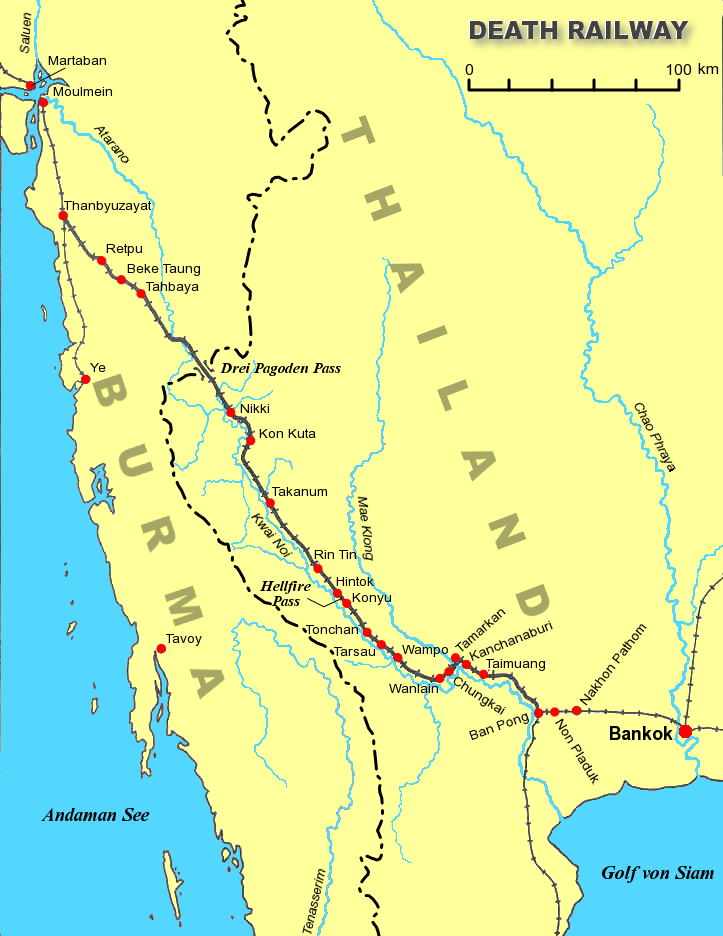
According to some historical data, up to 42,000 Malayans perished during the construction of the railway tracks from Kanchanaburi (Thailand) into the fringes of the Myanmar border.
Parts of the Death Railway route have now been turned into war museums and monuments to honour the victims respectively.
Chandrasekaran’s research revealed that of some 100,000 Malayans brought over there, 80% were of Indian descent.
“Hence, the majority of the deaths are also believed to be Malayan Indians,” he said.
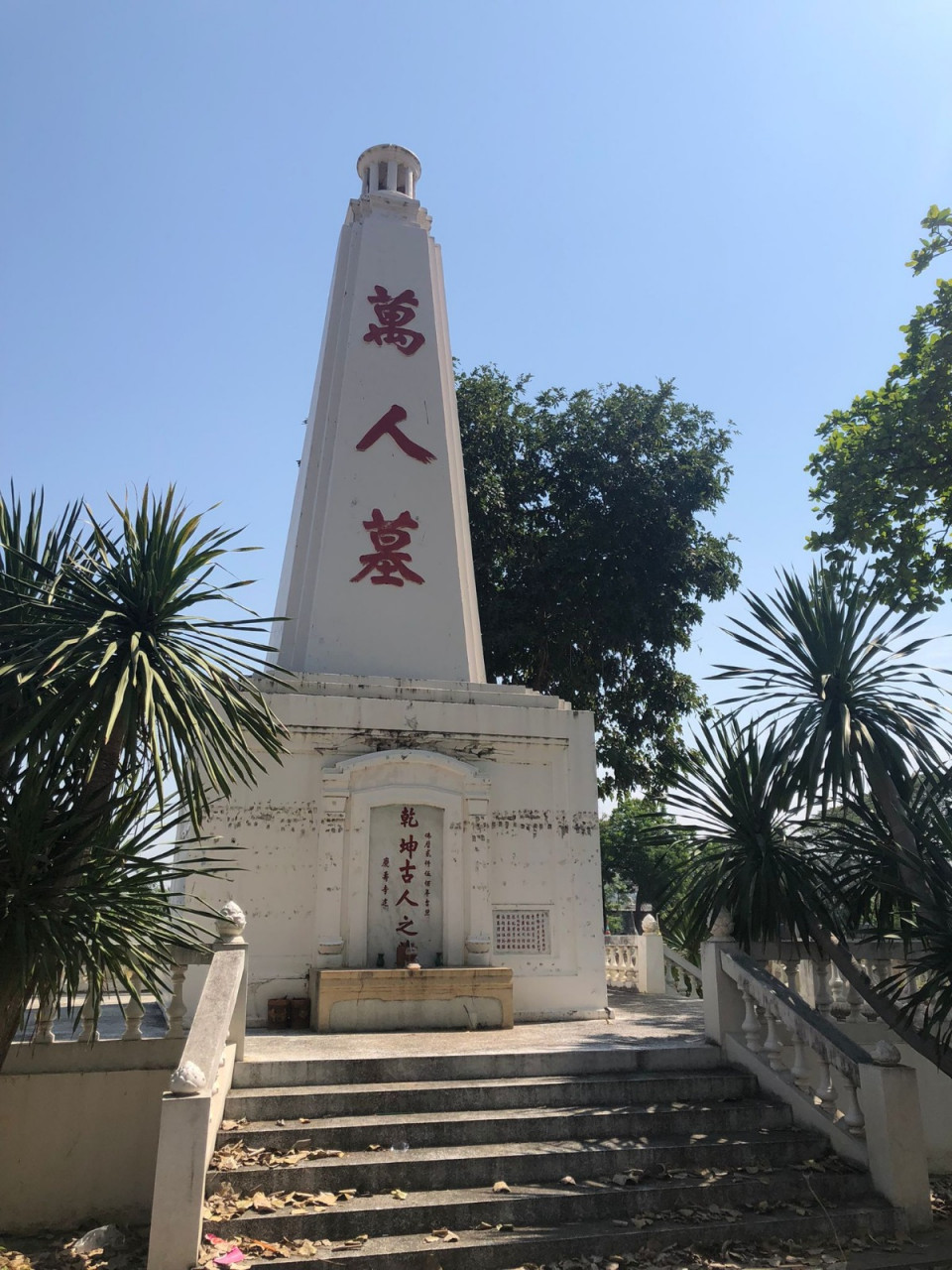
Chandrasekaran said that a monument dedicated to them had already been erected years back near Kanchanaburi after negotiating with the Thai authorities, including a Buddhist organisation there.
As such, he welcomed and thanked Ramasamy for the suggestion.
Chandrasekaran’s immediate goal, however, is to urge donors to raise up to RM80,000 to upgrade the monument, which has now fallen under a state of neglect.
“We need new floor covering and I have raised RM20,000 to give it a fresh coat of paint.
“But we need donations to aid us in safeguarding the present monument in Kanchanaburi,” he said.
He said only the Allied prisoners, consisting of the British, Australians, New Zealanders and Americans were recognised in tributes through documentaries, museums, books and films such as The Bridge over the River Kwai.
“They were given individual graves whereas the remains of the Southeast Asian civilians were dumped into one pit and many of their final resting places have gone unmarked.
“It is time that more effort is made by all quarters, including the Malaysian government, to recognise their citizens who lost their lives,” he said.
Those who wish to donate to the monument project may contact the Death Railway Interest Group at 017-888 7221 or email [email protected]. – The Vibes, April 17, 2023