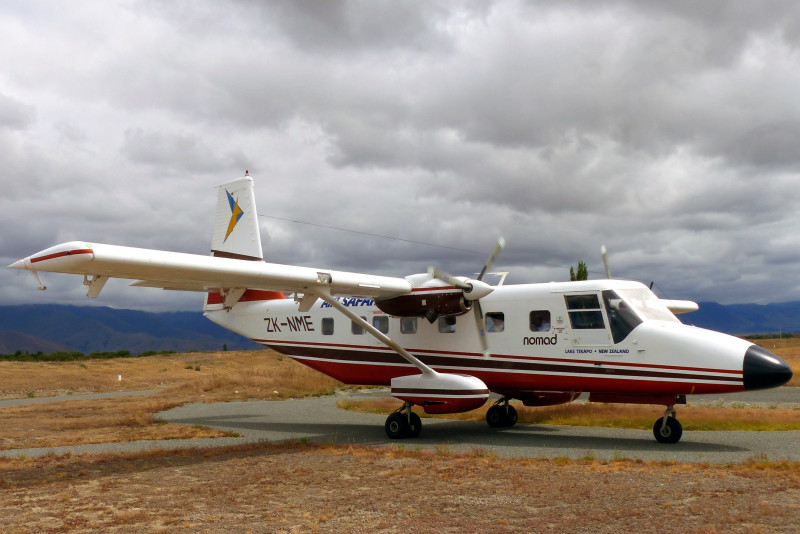
KOTA KINABALU – An hour-long Australian documentary made in 1995 has detailed apparent defects on the aircraft involved in the infamous Double Six air crash, alleging the manufacturer kept the matter under wraps to protect its own interests.
According to the Australian Broadcasting Corporation’s (ABC) Four Corners documentary programme titled Lies in the Sky, the defects included a tail design flaw on the aircraft, which could cause it to snap mid-flight.
The documentary, produced by David Hardaker, noted that the issue of a tail crack on the Australian Government Aircraft Factories (GAF) Nomad plane was also concealed by authorities for the sake of nationalism and to protect sales, despite several warnings by other parties.
A total of 19 crashes occurred and 56 people wound up dead by flying on the GAF Nomad between the 70s and the 90s when the documentary was released.
The documentary, which was divided into three parts, was posted on YouTube by an individual named Heather Stephens, and covered the Nomad air crash that killed a military pilot, Glen Donovan, who was testing the aircraft on March 12, 1990.
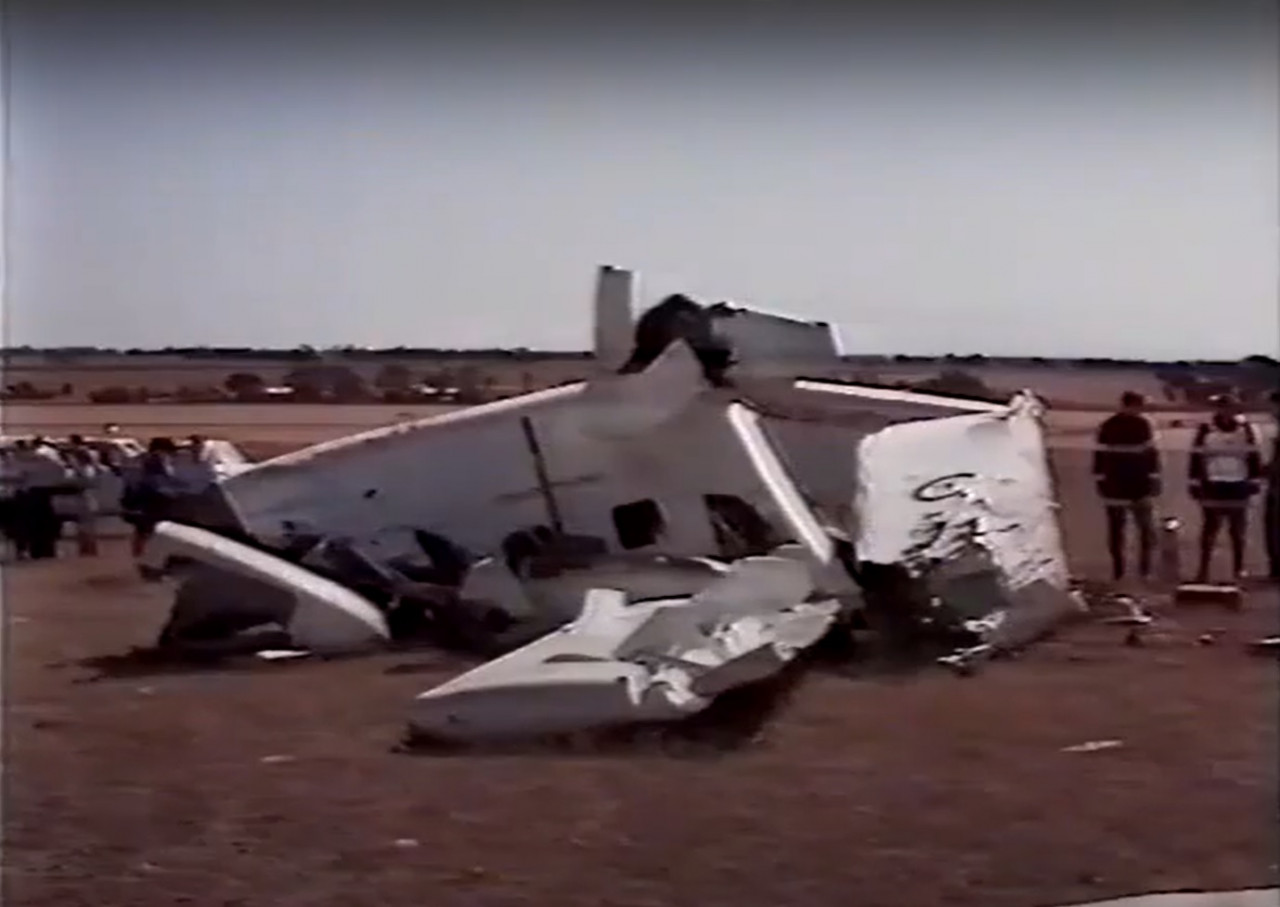
A witness claimed he saw the Nomad’s tail snap mid-flight before crashing near the Avalon airstrip in Melbourne, Australia.
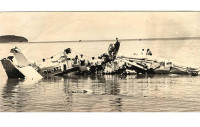
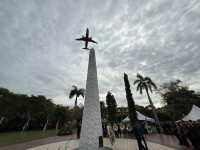
The aircraft was the same model that crashed in Kota Kinabalu on June 6, 1976, killing then Sabah chief minister Tun Fuad Stephens and 10 others.
‘All problems involved tailplane’
In the documentary, Hardaker noted that the factory managers of the aircraft production line had little aviation experience and that the pilots and engineers involved had found problems with the plane’s handling.
“All the problems involved the tailplane. It was positioned in a way that caught too much wash from the propellers and the design, the whole tail acting as an elevator, rotating through a pivot point and fuselage,” Hardaker said.
In 1976, a Nomad test flight to rectify the tail problem led to a crash near the Avalon Airfield in Melbourne, killing the pilot and the flight observer.
The sole survivor of the crash was GAF engineer Ted Larcey, who stated in the documentary that “an enormous amount of effort” was made to resolve the tail defect, but instead, the deployment of the aircraft was rushed.
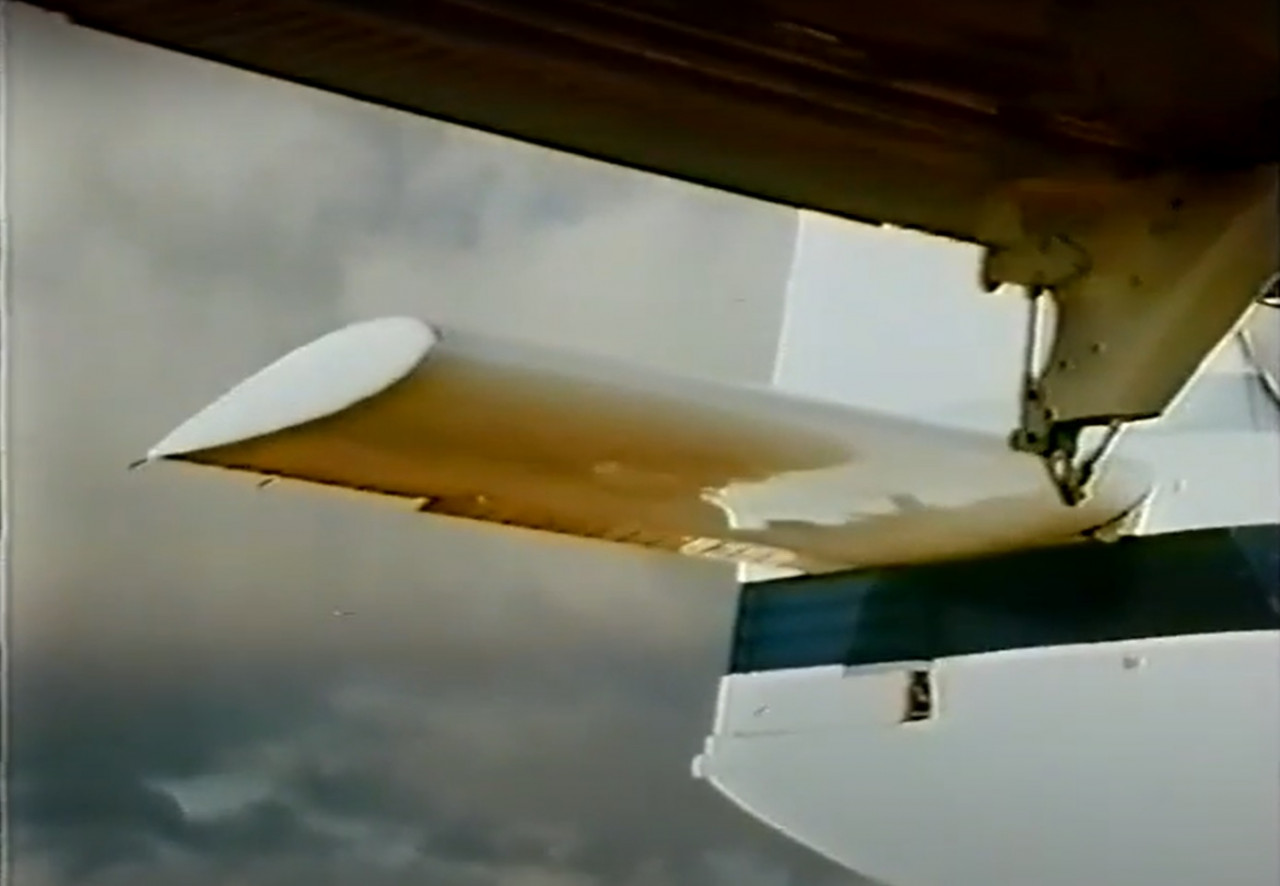
“Well, I have the feeling sometimes the thoroughness (to resolve the aircraft defect) was missing a bit,” said Larcey, who had raised his concerns over the problem at the time.
Meanwhile, the official probe into the accident blamed pilot error as the cause of the crash, not the aircraft design.
Cover-up to protect sales?
Months later, the Royal Australian Air Force (RAAF) released a 10-page report on the Nomad, pointing out its defects.
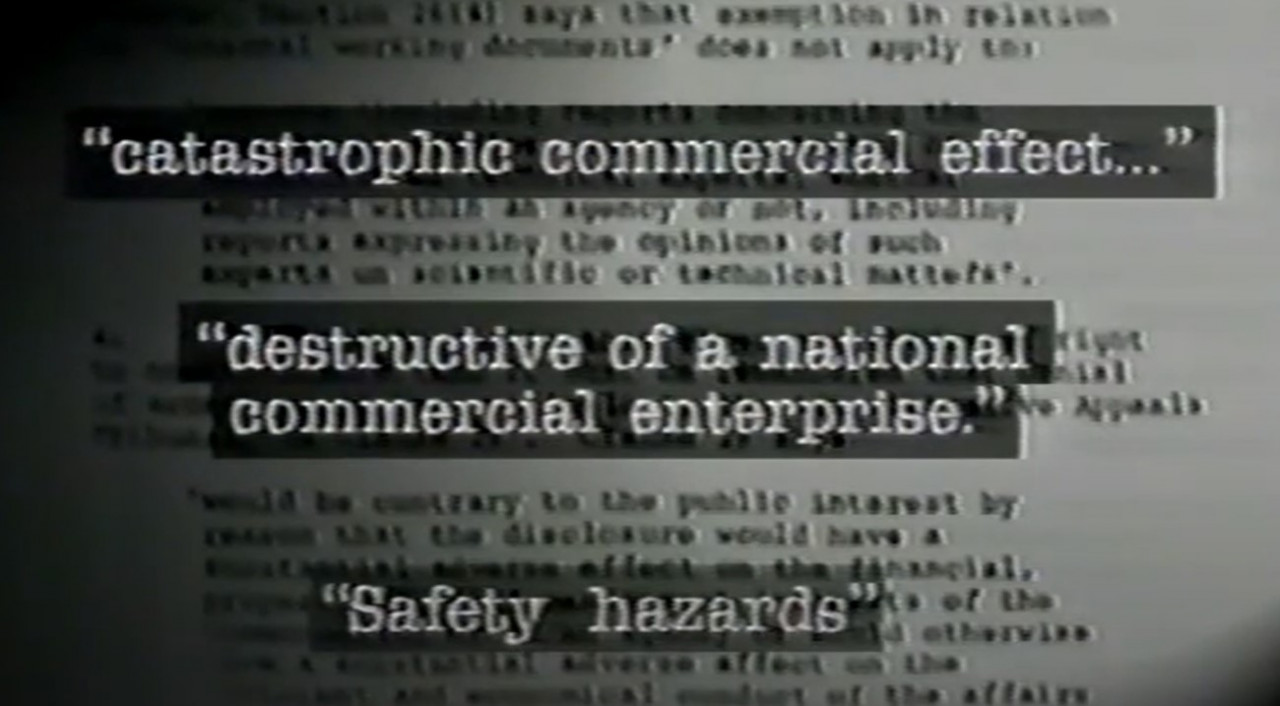
However, in 1979, then Australian defence secretary Sir Arthur Tange warned then defence minister Sir James Killen that the report would have “catastrophic commercial effect”, and would be “destructive of a national commercial enterprise” if the documents were made public.
The documentary also noted that no members of the Australian cabinet were aware of the report at the time.
One of the RAAF test pilots who wrote the report, Harry Bradford, confirmed the Nomad’s handling problems, citing it could be a “handful” to “normal” pilots.
The release of the report saw Bradford brought into a formal inquiry conducted by high-level officials of the Australian Defence Ministry and GAF.
In the second part of the documentary, Bradford claimed the inquiry was intent on attacking the report and his credibility, but after about two weeks of questioning, the officials were convinced that the RAAF report was indeed correct.
However, the RAAF report was withdrawn and a security classification was applied with circulation highly restricted.
A former GAF engineer, Paul Hughes, listed 11 defects and presented them to his employers, but he was accused of “stepping out of party line”.
“Everybody was supposed to be behind the Nomad… and weren’t supposed to knock it, their view was that we were knocking it, but in my view, I wasn’t. I’m not,” he said.
Hughes called for action on the defects, including the reported tailplane cracking problem, but the GAF issued a watered-down version of the report, citing concerns of bad publicity in 1982.
Hughes resigned from GAF soon after due to frustration.
The watered-down report would later become the centre of a Senate inquiry after the Donovan air crash in 1990, 13 years after Hughes pointed out the defects.
A memorandum in the report indicated the tailplane design flaw, but the matter would be kept a secret to avoid possible impact on sales of the Nomad.
The military Nomad was temporarily grounded for eighteen months during the Senate inquiry, but another air crash killed four military officers soon after the suspension was lifted.
US$4-mil settlement over claimed defects
The documentary also noted that the Australian government had to pay the Hughes Aircraft Company a US$4-million settlement after the American aerospace and defence contractor company purchased Nomads.
Hughes, which purchased 17 aircraft, accused the manufacturer of having deceived it over the Nomad, listing eight defects to the aircraft in its suit, including the tailplane cracking problem.
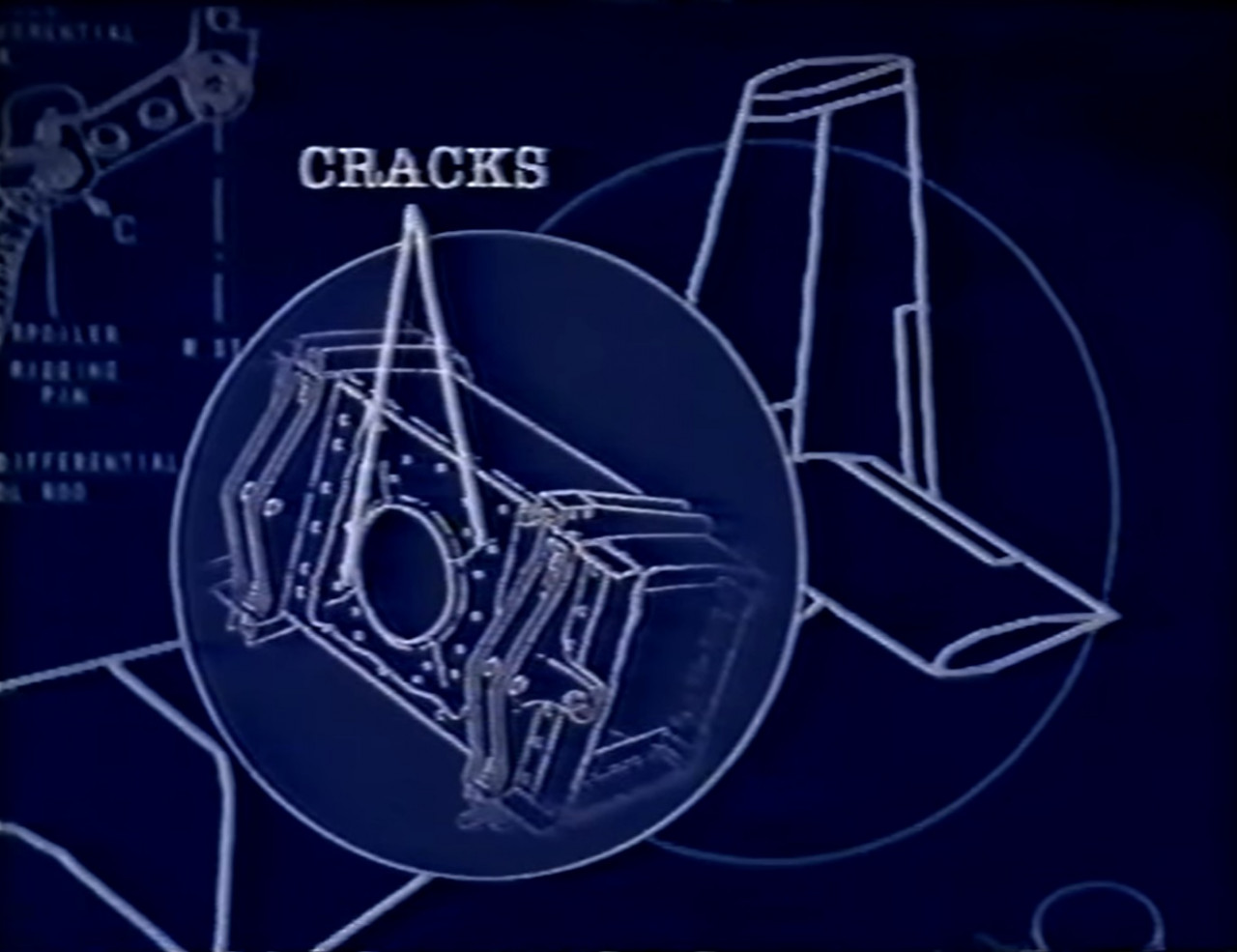
However, Eric Morris, the former GAF Nomad marketing manager, denied the allegations, saying the tailplane cracking problems were not a major issue to aircraft manufactured in 1979, but only subsequent ones made in the 80s.
In 1987, three years before the Donovan crash, wind flow tests were carried out on the Nomad, and handling issues were found in the first test.
A video of the tailplane shaking was also seen in a ground running test, indicating the fragility of the section.
A civil aviation official had also written to the Australian authorities twice to warn them about the tail cracking after four cases were reported by civilian aircraft operators around the same time.
The man who designed the Nomad, Alan Wrigley, defended his designs, describing some of the criticism as “stupid” and “mischievous”.
The documentary saw Wrigley remain defensive of the Nomad project despite being shown footage of another air crash involving the plane in 1973. – The Vibes, April 29, 2023