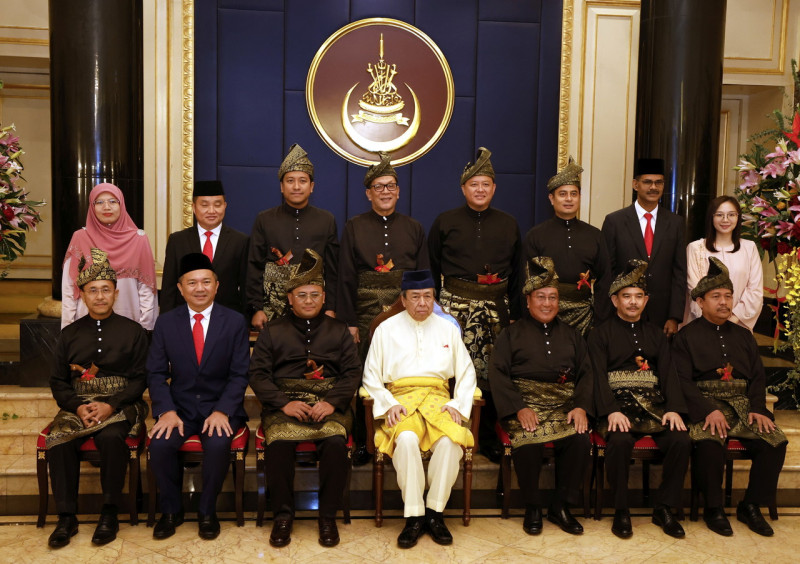

KUALA LUMPUR – The political landscape of Selangor, long considered Malaysia’s powerhouse state, is undergoing a remarkable transformation. Yesterday’s swearing-in ceremony for its new executive council made up of the Pakatan Harapan-Barisan Nasional (PH-BN) alliance paints a vivid portrait of this change.
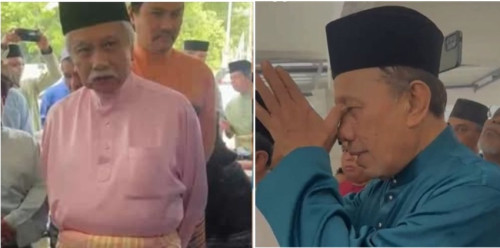
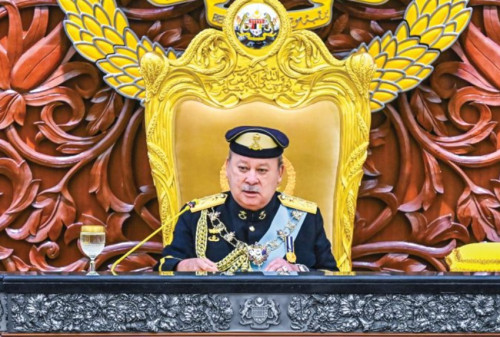
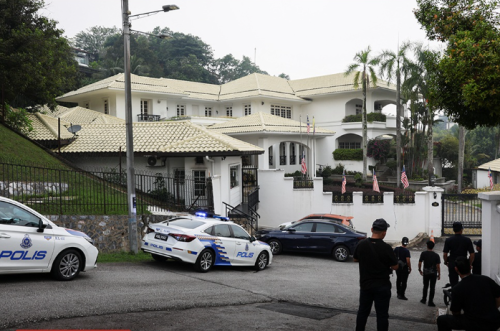
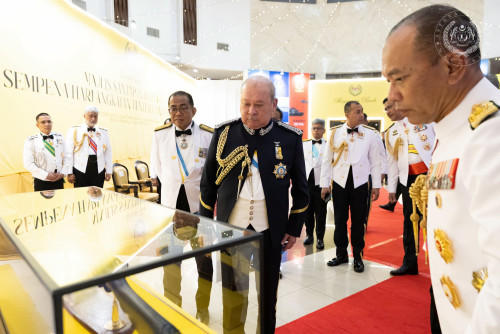
Against the backdrop of Istana Alam Shah’s regal surroundings, 10 members took their oath of office, a scene laden with solemnity, and yet, an undercurrent of tension seemed to linger outside the palace.
Amidst the visual spectacle of this political inauguration lies an intricate scenario of political decisions and dynamics, both visible and concealed. The infusion of new faces into Selangor’s political framework carries with it the promise of new perspectives and renewed energy.
A closer look at the dynamics of seat allocation in this coalition reflects this complexity as the distribution of seats among the coalition partners tells a story of its own. DAP got four seats, while PKR and Amanah secured three and two seats respectively, and BN got the other seat.
The re-entry of BN into the state government after a hiatus of 15 years marks a significant shift in the political calculus of Selangor, signalling a new chapter in its political narrative.
Yet, within this complex interplay of coalition politics, there emerges an intriguing subplot that merits attention.
The breakdown of the council’s composition – seven Malays, two Chinese and one Indian – has raised questions and concerns, particularly within the ranks of PKR.
DAP in a tight spot?
The exclusion of Gunaraj George, despite his prominent role within Selangor PKR, from the line-up has cast a spotlight on the intricate balance between ethnic representation and community support.
His absence has resonated particularly within the Indian community. With nine out of Selangor’s 22 PKR divisions led by Indians, his exclusion reverberated more forcefully.
Many have come out to voice their displeasure and some have accused DAP of playing partisan politics. As Roy Nyaneswaran, the Kota Raja PKR information chief, had aptly put it, the situation had presented an occasion for PH to demonstrate its commitment to inclusivity.
However in the end, DAP still landed the Indian exco seat while Gunaraj was left out to dry. But looking at the developments in the DAP, it was also in a tight spot due to recent developments within the party.
Two prominent Indian party veterans P. Ramasamy and D. Kamache quit DAP in the run-up to the state polls. This brought about plenty of allegations against the party, including that it alienated Indian members and many were being side-lined.
Against this backdrop, DAP was pushed into a corner over the exco composition. It needed to give a seat to a Malay to show its inclusivity and that Malays could rise up the ranks in the party.
Hence Bandar Utama second-term representative Jamaliah Jamaluddin’s selection.
Despite being pressed into giving its Indian quota to PKR, DAP was simply unable to do so as doing so would lead to further accusation that it was ignoring its Indian grassroots. However, this decision came at the expense of PKR and Gunaraj.
Not time for division
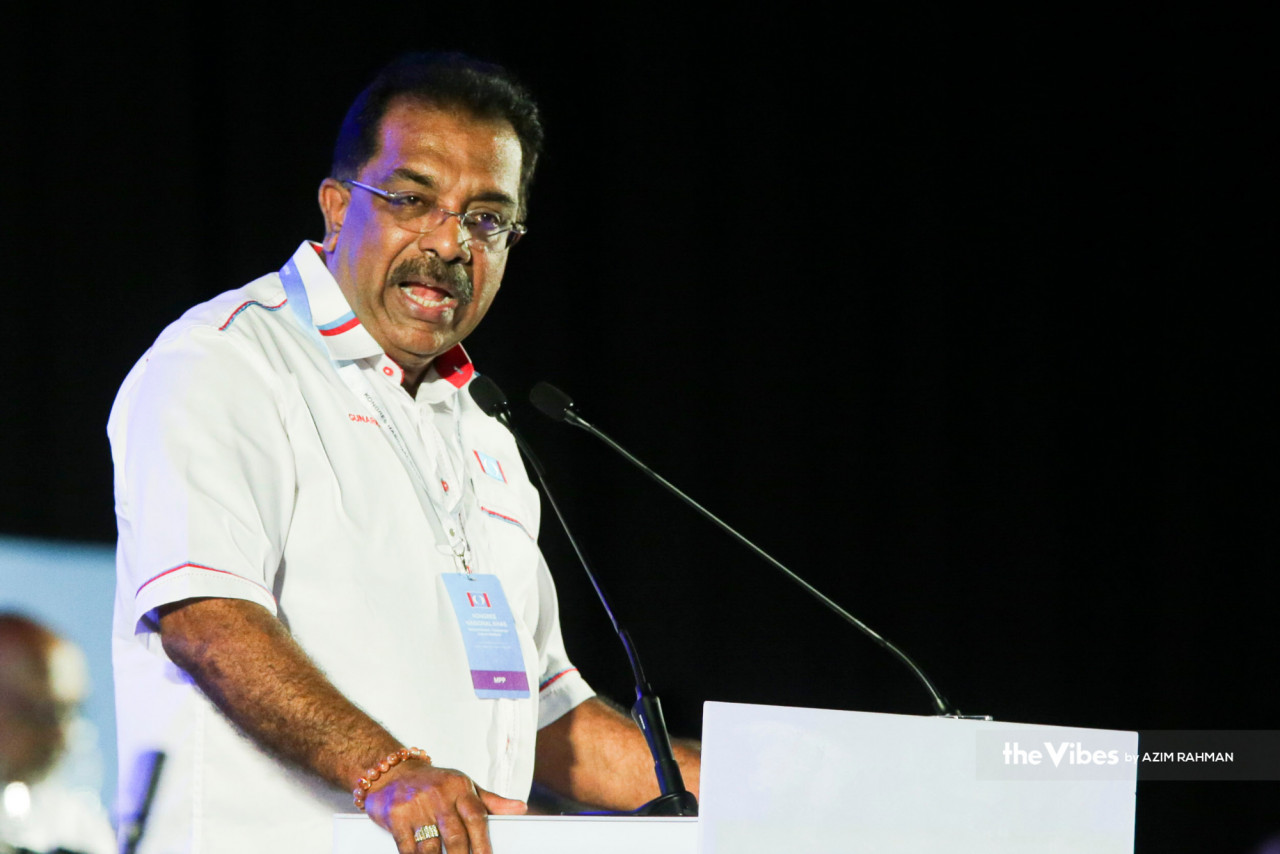
As word came out that V. Papparaidu would be the sole Indian voice in the exco, many PKR members went ballistic over it. However, being a senior party member with tremendous experience in treading on such issues, Gunaraj has since sought to quell the growing disquiet.
He called for calm, emphasising that a final decision had been made and it must be respected.
“This is not a time for division, but an opportunity for unity within PH. With or without a position, I will do my utmost for the people,” he said, while echoing a sentiment that places public service above personal ambition.
This brief but intense episode serves as a timely reminder that in the realm of politics, the broader cause should always eclipse individual aspirations.
The intricate dance of coalition politics, with its delicate balancing act, is far from straightforward. It highlights the imperative of embracing diversity while ensuring that representation remains equitable.
As Selangor embarks on this new political odyssey, it is crucial to extract lessons from this episode. Ensuring that all segments of the populace feel adequately represented is of paramount importance.
The government’s actions should also resonate with the aspirations of the people, transcending the boundaries of ethnicity, background and political affiliation. Ultimately, the essence of politics should be grounded in service to the people, with every decision serving as a reflection of these fundamental values.
It also serves as a reminder of the broader challenges inherent in coalition politics. As the state charts its course into a tough five-year journey with Perikatan Nasional breathing down its neck, a successful government is one that listens, unites and responds to the collective voices of all communities, ultimately fostering a sense of shared ownership and purpose. – The Vibes, August 22, 2023