FOR any prime ministerial aspirant, a good place to start will be by exercising political power via the education institution. This was a precedent set by Tun Abdul Razak, with others using education as a vehicle to expedite their journey to the prime minister’s office.
Our first prime minister, Tunku Abdul Rahman endorsed the English language for higher learning to enable our students into the best universities in the world.
As the first education minister, Tun Abdul Razak replaced the colonial education system with the Razak Report which was later enshrined as the Education Ordinance 1957. With this. Bahasa Melayu became the national language.
Tun Dr Mahathir Mohamad’s tenure as education minister and prime minister began with various “politically invested affirmative policies” being incorporated in our education. Today, in the 2021 rankings for 76 countries, conducted by the Organisation for Economic Co-operation and Development, Singapore ranks first. Malaysia ranks at a dismal 52nd.
If we peel the layers, therein lies the root of the present demerited education system with all of its “self-righteous” political prejudices and fallacies.
Last week, Prime Minister Datuk Seri Ismail Sabri Yaakob made an abrupt decision to endorse schoolteachers into the political arena. Community Development Department (Kemas) officers were also included in this bracket.
This overturns a 2019 decision by the Pakatan Harapan administration which explicitly barred teachers from politics. It is believed that clandestine politicking did continue, nonetheless.
Involving teachers is not new. During the era of black and white movies, many teachers in vernacular schools doubled up as politicians, and were at the forefront championing nationalism and independence from the colonial yoke.
Taken at face value, citizens should have a constitutional right to be involved in politics. As long as the teacher does not display political partisan values and does not influence the students politically, it is acceptable.
However, in this coming election, there is a large convoy who want change – those who forfeited their votes in previous elections, the marginalised victims who are tired of being deprived and others who hunger for an inclusive governance without racial and religious prejudices.
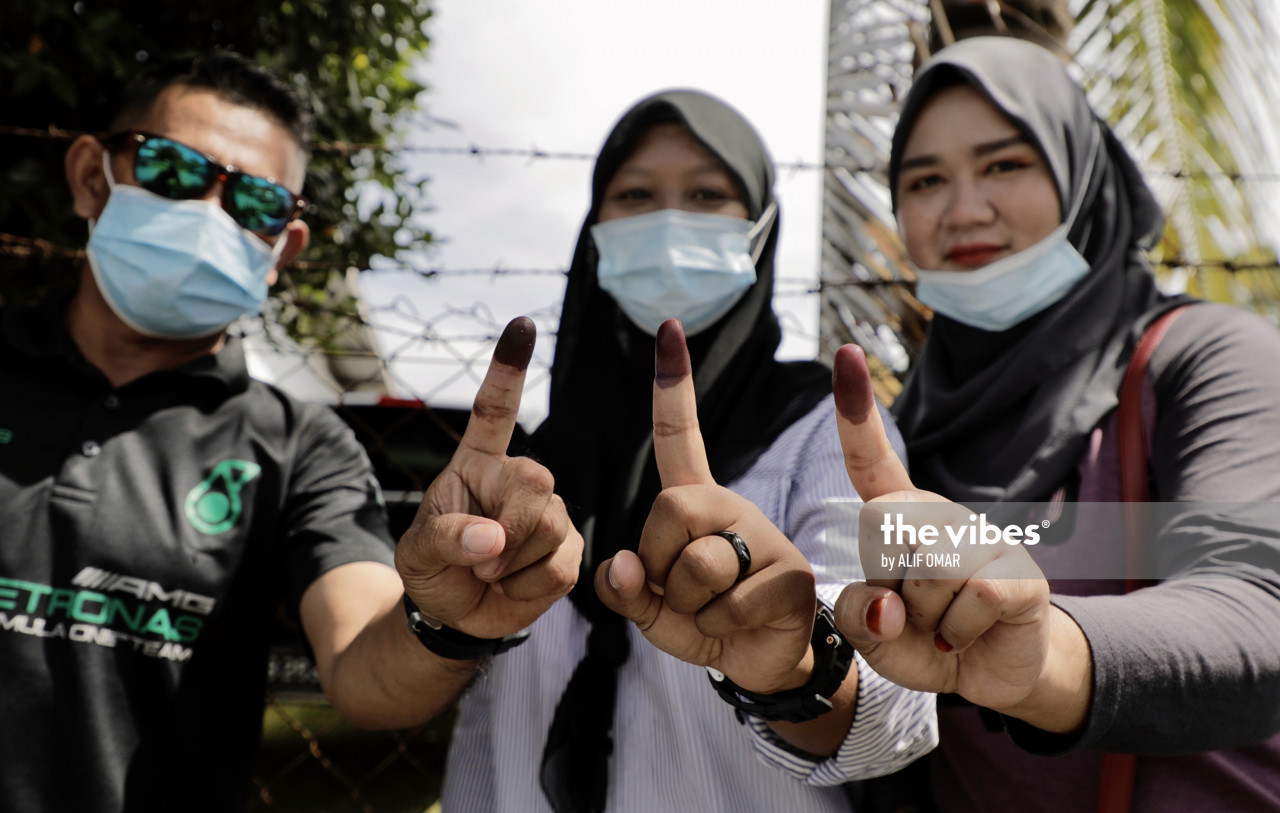
There is also the emergence of youth voters who make up a large part of our electorate. This is not about just a handful of people.
We have 5.8 million new voters who will be added to the current electoral roll of 15.3 million, bringing the total to 21.1 million voters. Out of these, 1.2 million are those aged between 18 to 21, and probably still students.
This age group is glued to digital media which is projecting our political establishment at its worst and now offering a “glittering” future. Aspiring youth leaders need to think beyond a virtual campaign strategy with social networking tools.
What happens if they win and are entrusted with governance? Are they prepared?
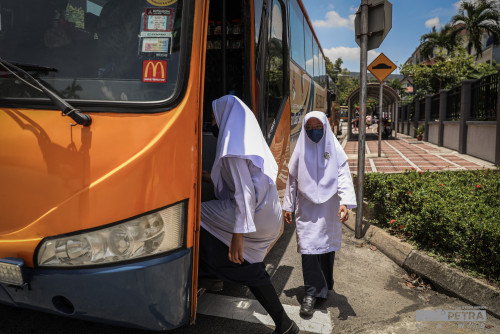
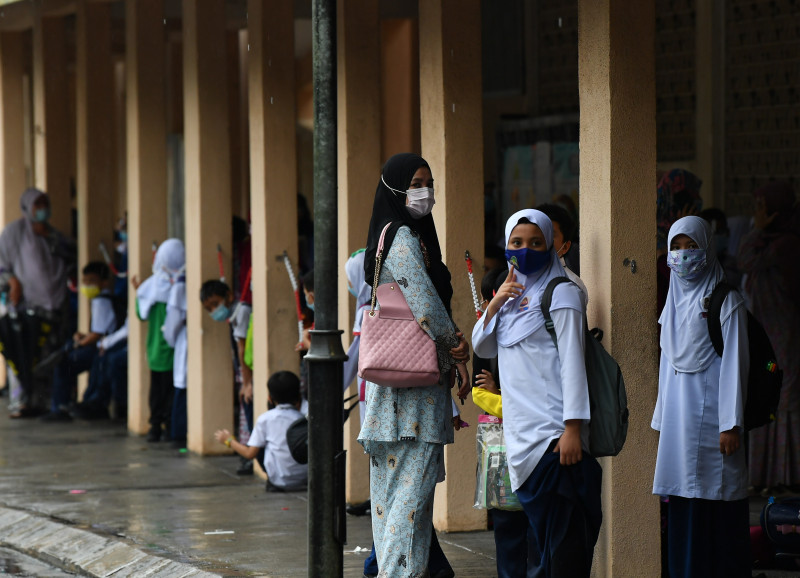
The power to elect and even lead will soon pass to people barely out of school, or probably still in school. Such being the case, we want a school system geared for the long term and not be influenced by teachers with political interests.
The youths personal backgrounds could been varied, but it is the teacher who captures the students’ collective audience, and should have engaged in neutral dialogue with them.
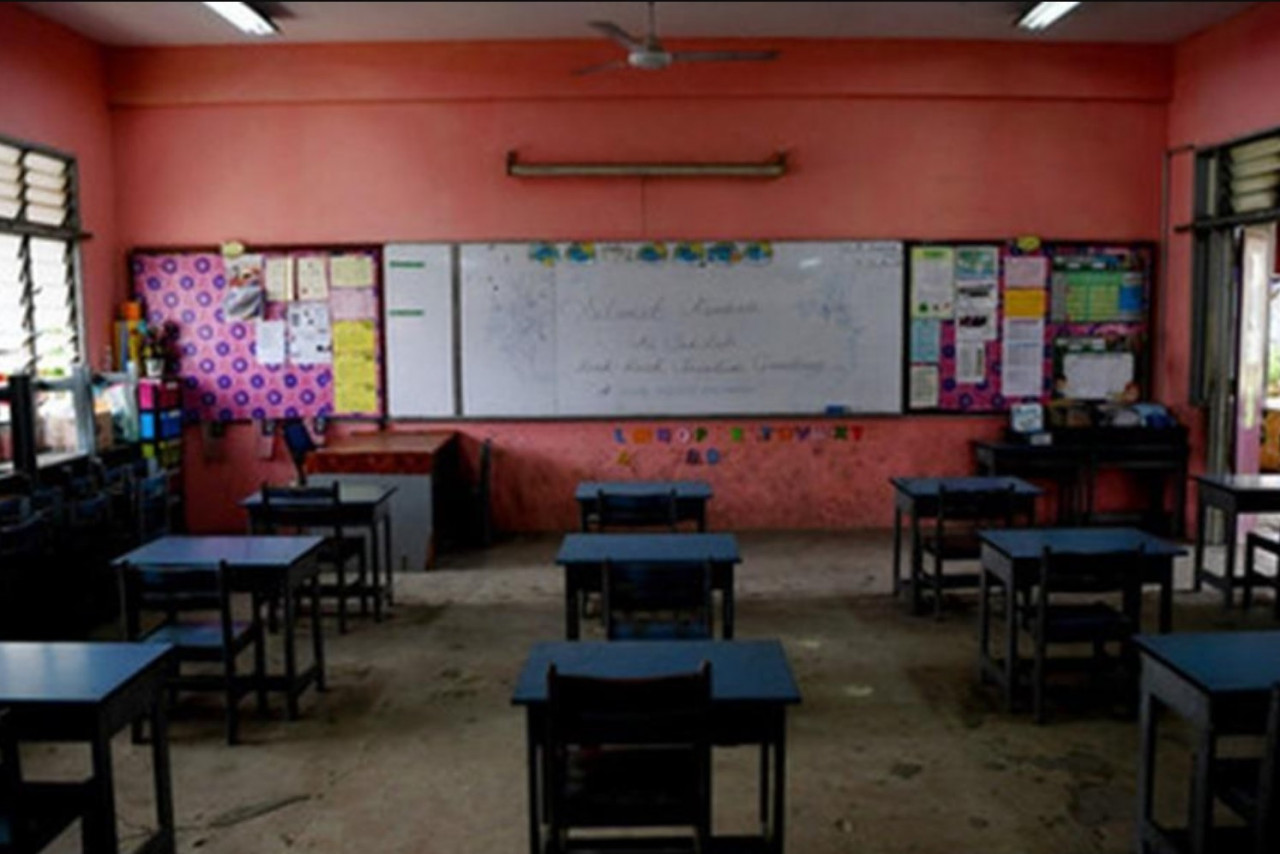
Did the teachers use a well-designed world standard curriculum and tools to prepare them to vote or be elected?
Even the smartest of these youths have been part of a school curriculum that divides children with religious teachings, fabricated history and a very localised tunnel vision syllabus. We cannot blame the teachers. They, too, graduated from this vicious cycle of an eroding education system.
We have to recognise teachers as our nation builders and give them better training, better salaries and a better reward system based on performance, honesty and integrity.
Today, political problems and conflicts outside the school wall have infiltrated and eroded the education system. It is messy enough. Whatever the teachers do now – in politics or outside politics – will not magically change this.
Nonetheless, at this moment it is best to avoid unhealthy consequences. Pressure groups will emerge in the schools. Divisive and unwarranted political distractions and debate will bring more tension in the staffroom.
Meanwhile, the youth movement is rising at such a fast pace, before they have even formulated their own civic identities.
They should pause and leverage other “instruments of change” with similar ideals, like academics, the civic societies and people’s experiences, wisdom and lessons from past mistakes. Otherwise, it will be an endless process of re-inventing the wheel.
Politics and education are two different concepts. Teaching needs a neutrality that politics will never be able to offer. We cannot afford to pawn our education to politics because every Malaysian’s interest is at stake here.
Meanwhile, let dedicated educationists and experts charter a better course to improve the quality of education instead of politicians using it as an election tool.
As Malaysians, we are all together at a world stage embarrassed about our corruption index, economic crisis and institutional inefficiencies. These issues are old but they are now being compounded with more new issues that need immediate addressal.
The very idea of politising “a crumbling and dysfunctional education system” is indeed really daunting, and not an urgent matter. At least, not for now. – The Vibes, January 31, 2022