WORLD Environment Day, celebrated on June 5 annually, is an occasion that reminds us of the urgent need to address environmental challenges and promote sustainable practices. One crucial aspect of sustainability is promoting sustainable production and consumption patterns to mitigate the negative impacts human activities have on the environment and pave the way for a greener future.
What is sustainable production?
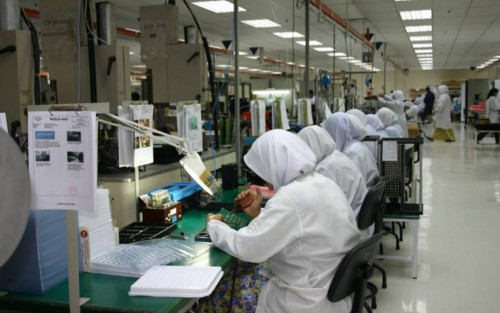
Sustainable production focuses on minimising the ecological footprint throughout the entire product lifecycle. This approach aims to reduce waste generation, energy consumption, and the use of natural resources, while also promoting ethical practices at the entire value chain. It encourages the implementation of sustainable practices and efficient manufacturing processes.
Embracing sustainable production can help to achieve reduced carbon footprint, conserve resources, such water, energy and raw materials, and preserve ecosystems through the minimisation of deforestation, responsible land use and protecting habitats.
The government and businesses also play a crucial role in driving sustainable production practices.
The government should enact and enforce policies that encourage sustainable production, such as tax incentives for eco-friendly initiatives, strict emission standards, and regulations on waste management. Businesses, on the other hand, should integrate sustainability into their core values and practices. Conducting life cycle assessments and adopting sustainable supply chains are ways to foster sustainable production and consumption.
The importance of sustainable consumption
Sustainable consumption, on the other hand, complements sustainable production by encouraging individuals to make mindful choices in their daily lives. As consumers, we have the power to drive change through our purchasing decisions, for example through:
1. Conscious purchasing, by choosing products made from recycled materials with minimal packaging, and from companies with a demonstrated commitment to sustainability.
2. Reduce, Reuse, Recycle, and adopt a mindset of reducing waste by reusing and recycling items. Opt for products with longer lifespans, repair instead of replacing when possible, and actively participate in recycling programmes.
3. Transition to renewable energy sources, like solar, for household consumption. This reduces reliance on fossil fuels and helps combat climate change.
4. Seek out businesses that prioritise sustainability in their operations. Support fair trade and organic products, which promote ethical production practices and protect the environment.
Combating the plastic pollution crisis through sustainable production
As we know, plastic pollution has emerged as one of the most pressing environmental challenges of our time. In line with this year’s World Environment Day theme of #BeatPlasticPollution, we should adopt sustainable production and consumption of plastic products as one of the crucial steps to mitigate this crisis.
To combat plastic pollution through sustainable production, industries must embrace sustainable alternatives and make conscious choices in their production methods. This involves employing recyclable or biodegradable materials, optimising packaging designs, and adopting innovative manufacturing technologies that reduce plastic usage. By producing goods in a more sustainable manner, industries can significantly contribute to reducing plastic pollution and preserving the environment.
Effective waste management systems and robust recycling infrastructure are also imperative to tackle the plastic waste crisis. Encouraging the use of recycled plastics in manufacturing processes helps create a market for recycled materials, driving the demand for a more sustainable supply chain.
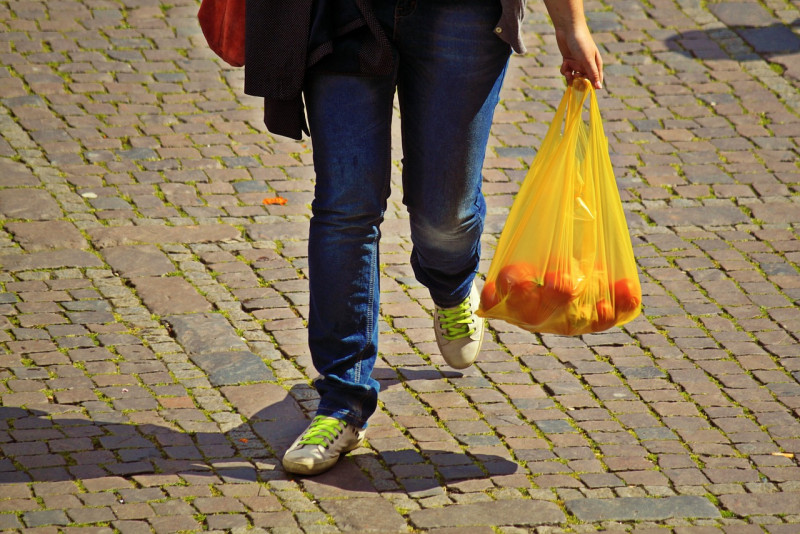
To achieve sustainable production for plastics, the government should enact comprehensive regulations and policies that encourage the plastic industry to adopt sustainable practices. This includes implementing the Extended Producer Responsibility scheme, implementing plastic bag bans, and incentivising the use of sustainable alternatives.
Changing behaviours through sustainable consumption
Promoting sustainable consumption habits plays a crucial role in reducing plastic waste. Raising awareness among consumers about the environmental impact of plastics and providing information on alternatives can drive behaviour change. In addition, proper teaching and learning experiences (curriculum and co-curriculum) should also be created for teachers, lecturers, students, parents and communities to have a better understanding of sustainable consumption of plastic products.
On this World Environment Day, let us recognise the critical role of sustainable production and consumption in combating plastic pollution and, more importantly, preserving our environment. By embracing sustainable alternatives, promoting responsible consumption, and advocating for supportive policies, we can collectively contribute to a cleaner and healthier planet. Let us pledge to #BeatPlasticPollution and work towards a future where plastic waste is no longer a threat. We need to encourage the use of reusable products to help reduce single-use plastic consumption. By opting for products with minimal or no plastic packaging, choosing reusable alternatives, and supporting companies that prioritise sustainability, consumers can actively contribute to reducing plastic waste. Together, we can make a difference for our environment and future generations. – The Vibes, June 5, 2023
WWF-Malaysia is part of the World Wide Fund for Nature (WWF), the international conservation organisation. Working to sustain the natural world for the benefit of people and wildlife, WWF-Malaysia’s efforts to conserve nature focus on six major goals – forests, oceans, wildlife, food, climate, and energy, as well as freshwater – and three key drivers of environmental problems – markets, finance, and governance.