
KUALA LUMPUR – Although the past perception of a stadium may have been that of a venue for hosting matches or a training ground for athletes, it is now recognised for its commercial value as well.
Take for example the heart of Malaysia’s sporting precinct – Bukit Jalil stadium. Built in 1998 to host the Commonwealth Games, it has played host for the 2007 Asian Cup as well as exhibition matches involving English sides, such as Manchester United, Liverpool, Chelsea, and Arsenal.
Merely thought of as a venue for sports-related events with little to no commercial value, locals hardly gave the stadium much thought or paid it a visit on non-event days.
This, however, was before its facelift in 2017 and renamed Kuala Lumpur Sports City – a world-class facility that was ready to host the 2017 SEA Games.
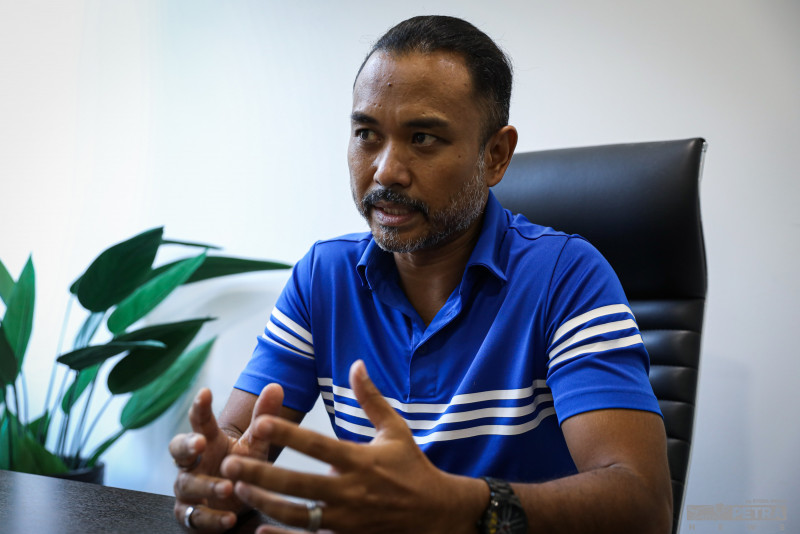
When speaking to The Vibes, then Malaysia Stadium Corporation chief executive officer Azman Fahmi Osman said when the idea came to redevelop Bukit Jalil, he visited several stadiums in Europe to understand how stadiums are being managed as well as the work they do to make the venue more marketable.
“They had detailed planning on the user experience and thought of how to utilise the facilities for commercial purposes so each part of the stadium could bring in revenue.”
Azman’s initial foray into the field of sports marketing came when he took charge of Telekom Malaysia’s sponsorship campaigns in 2005.
Telekom is a frequent sponsor of distinguished sporting events, such as the Le Tour de Langkawi, Malaysia Super League, Manchester United, and Team Malaysia.
Despite its significance in the lives of many Malaysians, the nation has been deprived of such large-scale sporting events since March 2020 when the Covid-19 pandemic hit the country.
Following two years of closed borders, Malaysian sports finally saw a light at the end of the tunnel when the country relaxed its movement control order to welcome its first international sports tournament – the Badminton Asia Team Championships − in February.
This was in turn followed by another international event − the amateur version of the Tour de France − L’Étape Malaysia, which will grace the shores of Desaru Coast, Johor on June 4 with a record 4,700 participants.
Azman, who is co-founder of 36Five X Sdn Bhd − the Malaysian company responsible for mobilising L’Étape’s marketing campaign for organiser Muse Group Asia − said Malaysia will play host to the second biggest L’Étape by Tour de France series in the world.
“What I have been doing in my previous careers relates so much to what I’m currently doing with L’Étape Malaysia, especially in terms of the look and feel of the Tour de France brand.
“As part of the organisers’ team, I want to provide the best and closest experience of Tour de France from the moment the participants arrive for registration towards the end of their stay. We will make sure every step of the way is easy for them after participating in an energy-draining race on an excitement-filled day.”
He explained that involving sponsors in an event is more than just displaying their logos. It is far more important for them to share their products and services with visitors through a holistic approach.
“I believe that the wholesome experience of an event should be connected to all of our senses – sight, hearing, smell, taste, and touch.
“Visitors, participants and sponsors should be able to experience the event so that they will return home with a lasting memory.”
L’Étape Malaysia is the only cyclo-sportive series that gives amateur cyclists the Tour de France experience and the opportunity to race like a Tour de France champion.
The series has been organised in more than 20 countries, including Australia, Indonesia, Thailand, China, and France.
As one of the non-contact sports that was allowed to continue during the pandemic, Azman saw tremendous growth in the country’s cycling community over the past two years.
“A lot of people went out to purchase a bicycle during the pandemic and they are now kind of used to it with some very much into the activity.
“When the government announced that the country was transitioning to the endemic stage, people started to feel more confident in going out. So, our registration numbers – including participants from Singapore – spiked and sold out.”
L’Étape Malaysia, which was postponed twice due to the global pandemic, offers distances of 140km and 60km and riders can choose to register themselves as solo participants or as a team.
Sanctioned by the Malaysia National Cycling Federation, registration for the event ended on April 11 after its participation was sold out.
The Vibes is the official media partner for L’Etape Malaysia, and is participating in two teams sponsored by the Vinod Sekhar Foundation.
The Vibes is a PETRA News company which also publishes the Bahasa Malaysia portal Getaran.
For more information about L’Étape Malaysia, please visit www.letapemalaysia.com. – The Vibes, May 19, 2022