
KUALA LUMPUR – Taking part in a full Ironman race is no easy task. Only the strongest can endure a 3.8km swim before having to immediately hop on a bike for 180km, followed by a 42.2km run.
But Ironman athletes face the challenge with pride as they embark on a journey that sometimes takes over 12 hours to complete.
As the Ironman Malaysia and Ironman 70.3 races return tomorrow, over 1,500 participants are set to hit the shores of Langkawi – many of them first-time participants set to face a tough challenge.
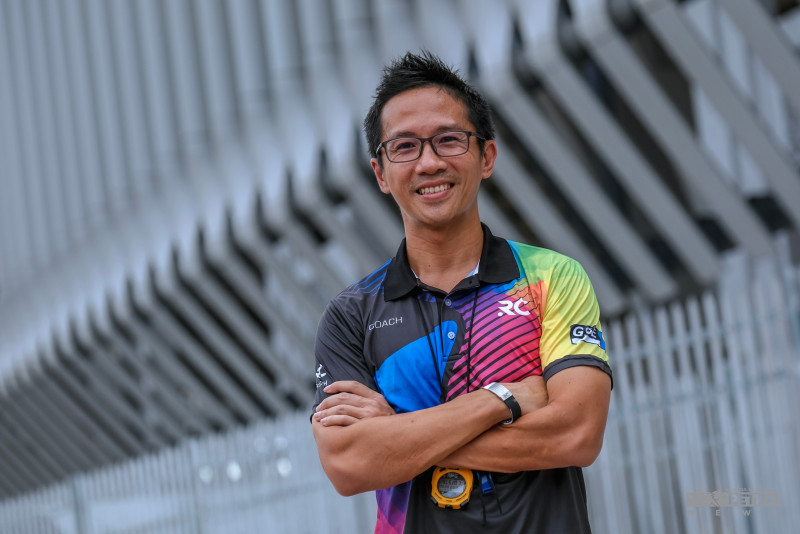
The Vibes spoke to multiple Ironman finisher and triathlon coach Rupert Chen, as he explained the fundamentals of participating in the event and what interested newcomers should look out for.
Rupert, who now runs RC Coaching and trains aspiring triathletes, said those new to the challenge should slowly build their way up in terms of race length and difficulty.
For someone who has never done an Ironman race, it would take about a year or two to be completely ready.
“The crucial part is setting up the foundation of each stage of the race, and a couple of years are needed to be an all-round good athlete,” he said in an interview at Bukit Jalil National Stadium.
Rupert suggests that those who cannot swim get proper guidance on the correct techniques, as swimming in the ocean is vastly different than in a pool.
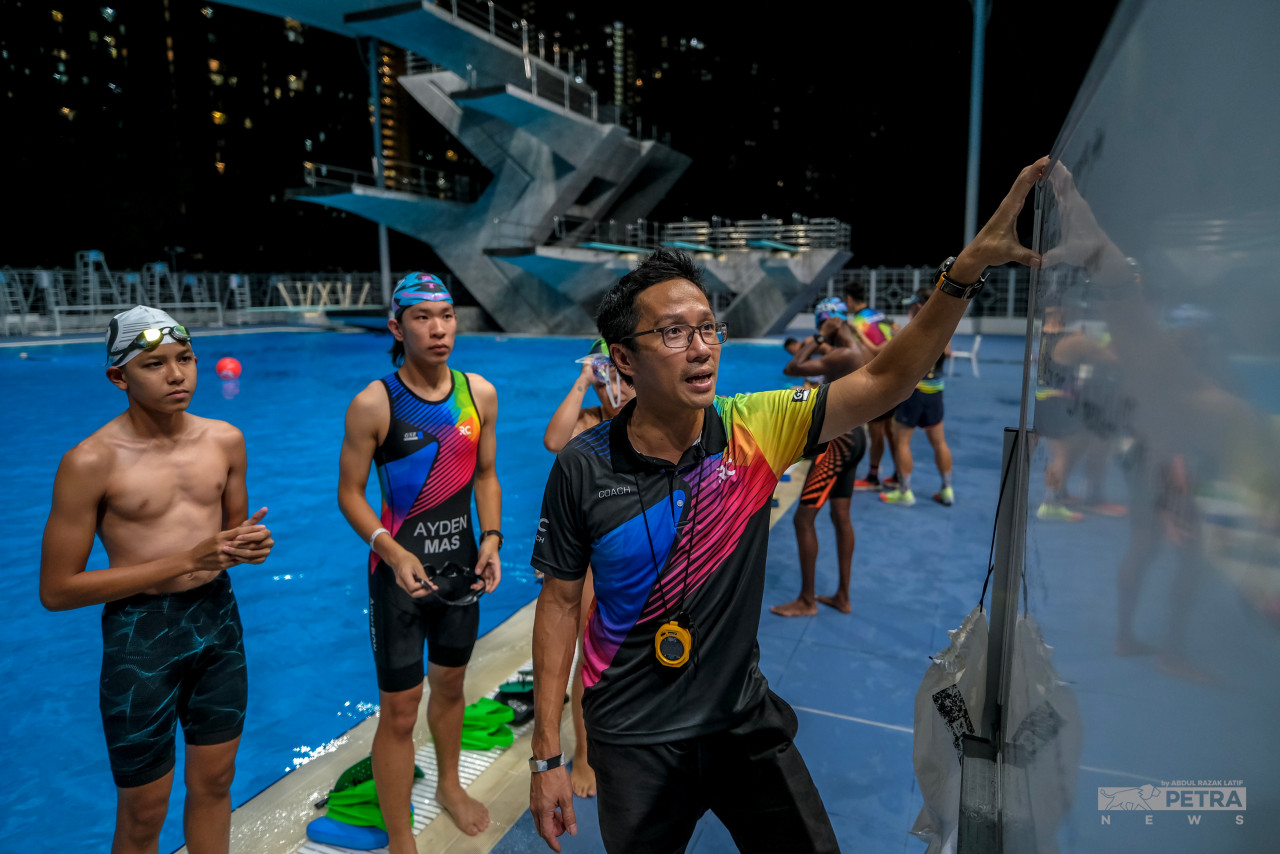
“Sure, you can learn swimming by yourself, but if you develop bad habits during that process, you will keep repeating them without the right coaching.
“Joining a pure cycling group is also a good step as you can learn the essential riding skills needed.”
With Ironman offering multiple events with different race distances, Rupert suggests starting small before aiming for the full Ironman.

“Try sprint race distances first (750m swim, 20km bike, 5km run), then move to the Ironman 5150 which is the Olympic triathlon distance (1.5km swim, 40km bike, 10km run).
“Then move on to the Ironman 70.3 (1.9km swim, 90km bike, 21.1km run), and finally do the full Ironman (3.8km swim, 180km bike, 42.2km run),” he added.
The goal should not be to merely finish the race, but instead adapting the right skills needed to complete the race in a strategic manner, he said.
To do this, Rupert said managing energy levels is important, as each stage takes a toll on the body.
Races can take up to 16 hours sometimes, you don’t want to empty your energy reserves right off the bat when you jump into the water.”
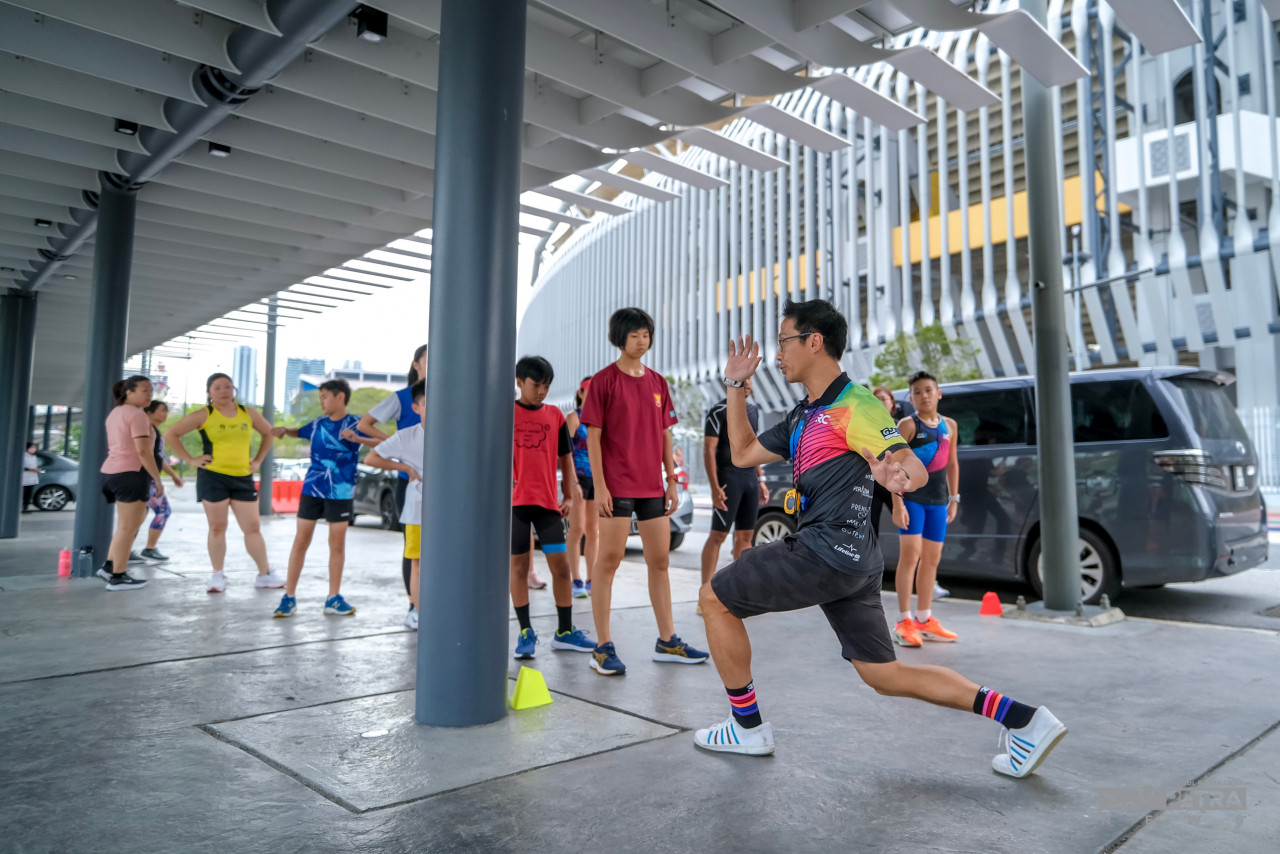
Studying the route and understanding the distance and terrain can help athletes plan their energy usage over the course of a race, he noted.
“They are tricks even when it comes to taking in nutrition during the race. It is something you need to train for and be physically prepared.
If you suddenly start to take in energy gels during the race when you have never done that during training, your body can go into shock because it is being subjected to a very unfamiliar situation,” he added.
Meanwhile, he said it would be wise for aspiring athletes to arrive at the race locations ahead of race day to familiarise themselves with the routes.
“This would help the participants strategise their game plan while identifying the attacking points and where to coast, especially on the bike and run routes.”
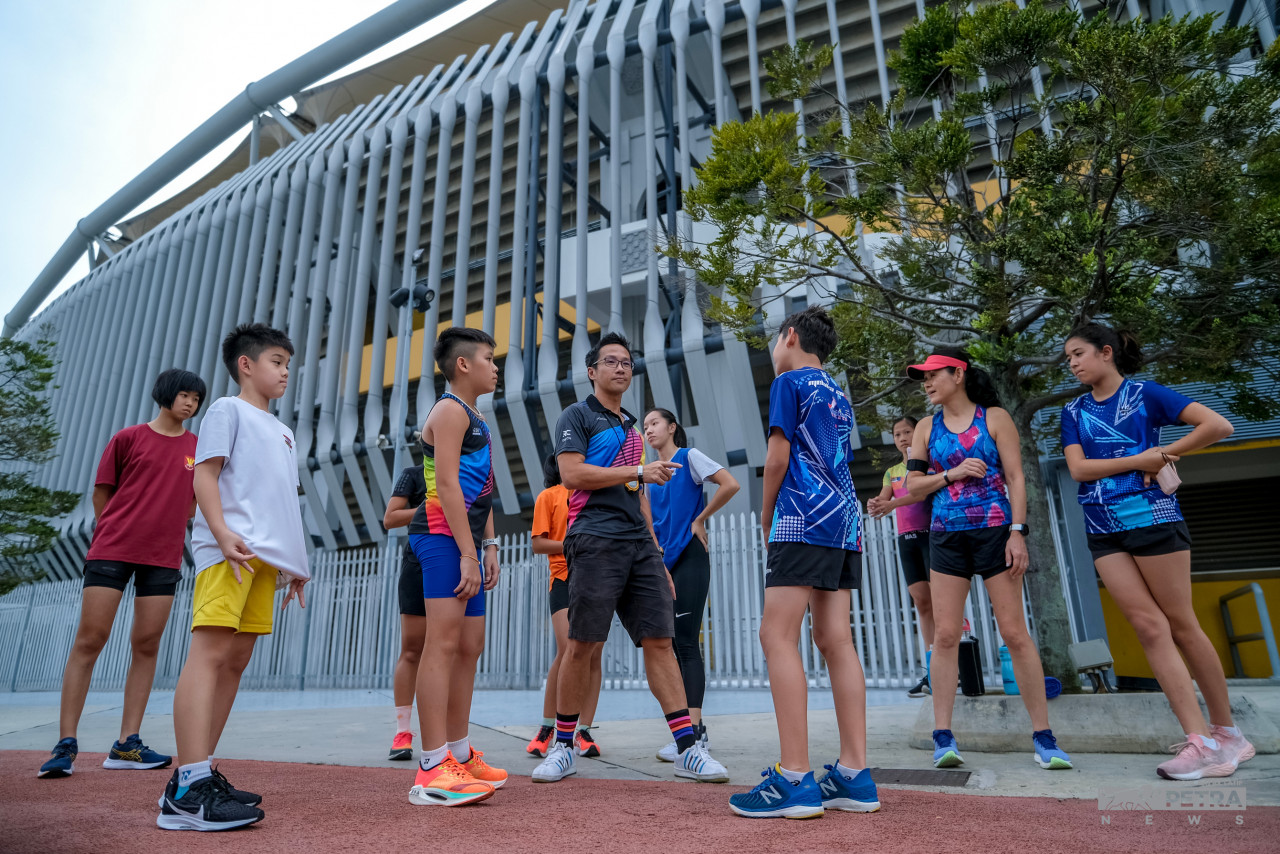
Some of the professional participants arrive a week earlier to scout the locations. They would do the bike route several times ahead of the race just to familiarise themselves.”
He also noted that tapering – the process of finding the right balance between rest and training – is essential.
“The key to tapering is to rest enough before the race to conserve energy, but also maintaining the right level of fitness to prevent struggles during the race.
“It is half art and half science; it varies depending on each person. If you taper too much then you will lose fitness, but if you keep training up to race day then your fatigue will play a big role in slowing you down as well,” he added.
But overall, Rupert advises first time Ironman participants to make full use of the opportunity to race and have fun! – The Vibes, November 4, 2022



_2022_SEA_Games_duathlon_athlete__Ann_Pow_competing_in_the_2022_IRONMAN_Malaysia.jpg)