.jpg)
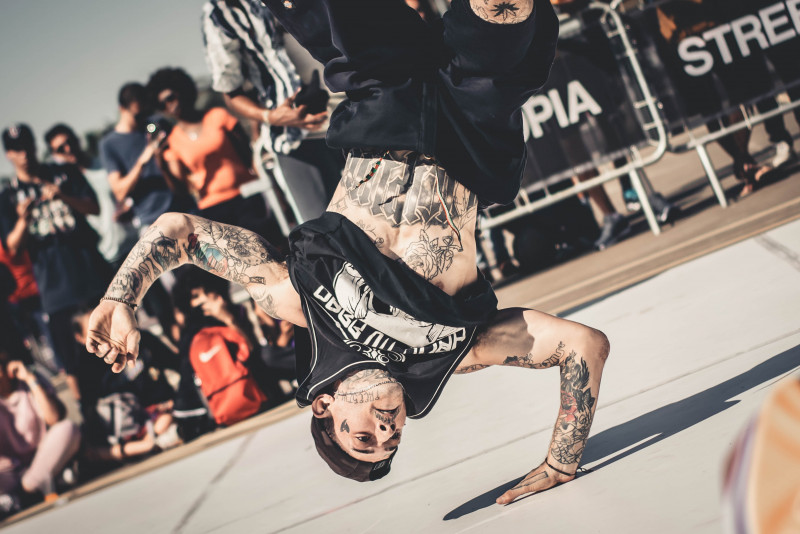
KUALA LUMPUR — The 2024 Olympics in Paris will be opening its doors to breakdancing as part of their competing sports line-up. The International Olympic Committee decided to include breaking as an attempt to attract a younger audience to the historic competition.
According to a 2019 Olympic programme commission report, it is estimated that one million individuals have taken part in breakdancing, with the 2019 Red Bull BC One World Final garnering over 50 million views across online platforms.
The idea was proposed two years after a trial run at the 2018 Youth Olympics in Argentina and will take the form of dance-offs, where contestants will face each other, knocking out their opponents.
How would breaking be judged, you might ask? Assuming that the judging criteria are similar to the 16-year-old Red Bull BC One World breakdancing competition, contestants will be judged based on their enjoyment on stage, expression, attitude and performance, with little attention paid to the skills and sharpness of the contestant’s tricks.
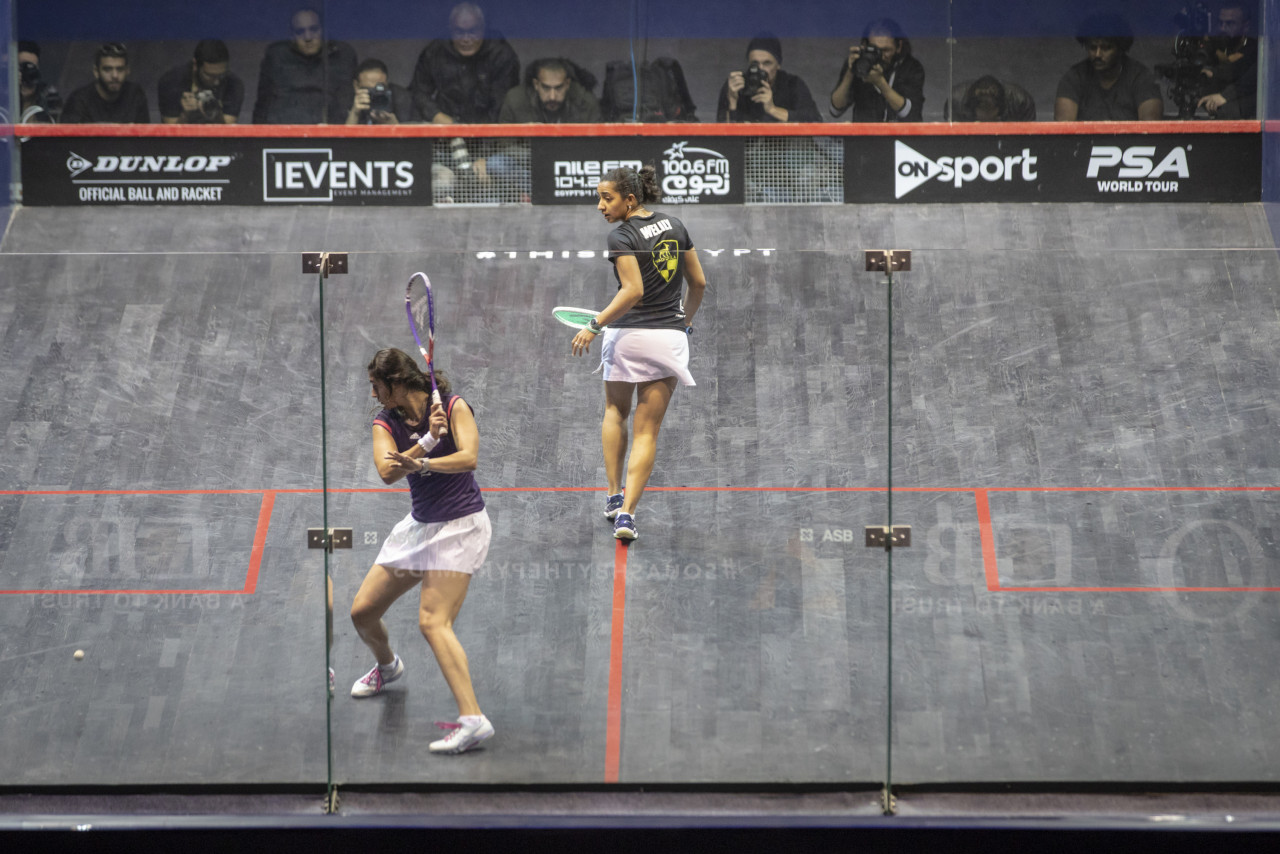
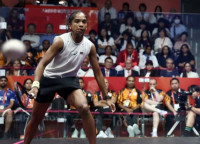
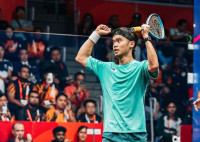
Compared to a sport like squash — which is yet to be part of the Olympics — the criteria for breaking is subjective, and not nearly as scrutinising as the non-Olympic performing sport of poomsae taekwondo, which is judged based on the precise angles of the athlete’s kicks and punches.
While it can be said that breaking will essentially boost the popularity of the Olympics, does it hold enough credibility to be considered a sport, much less an Olympic sport?
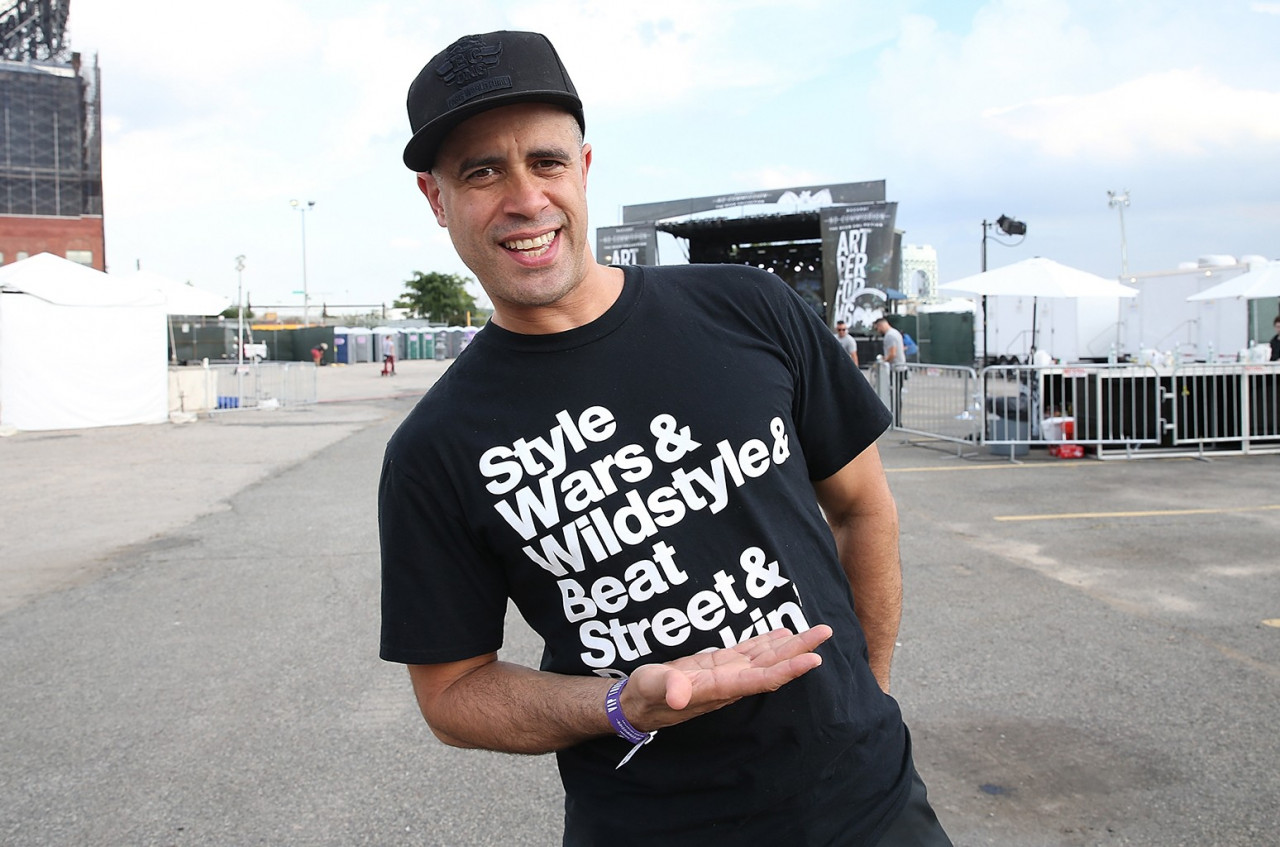
Breaking pioneer Richard ‘Crazy Legs’ Colon shared that "we've already legitimised ourselves so we're not looking to the Olympics for legitimacy."
So, what does breaking bring to the stage in the Olympics?
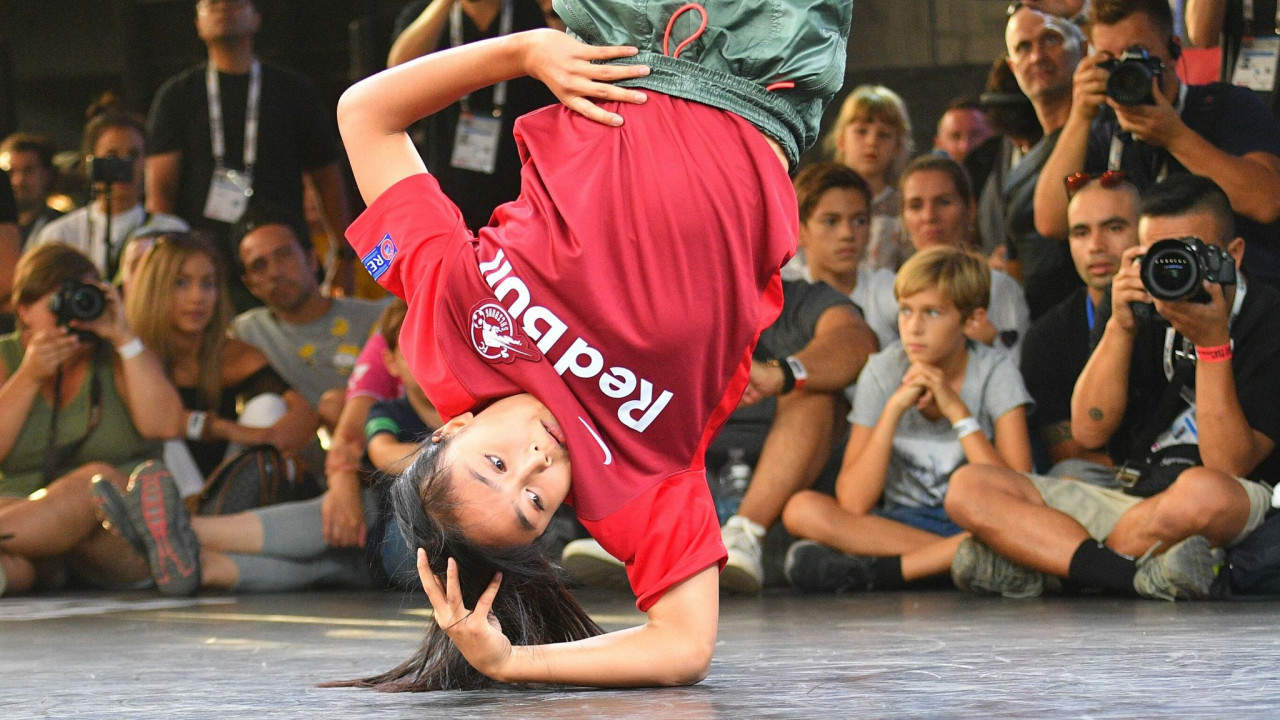
Logan ‘Logistx’ Edra, a 17-year-old American dancer, said that breaking resonates with many because of the hip-hop culture that it epitomises.
"It makes sense that people would refer to it as (a sport) but I think the one thing (as far as the breaking community is concerned) we want is to make sure that it's not known as just a sport but as an artform … a culture."
Having said that, could breaking potentially open the doors to other dance forms like ballet, which require just as much or maybe even more hardcore training and practice, to be part of the Olympics?
Consequently, is breaking’s arrival in the Olympics a fluke, or an opportunity for other such artforms to follow suit? — The Vibes, 9 December 2020