By Murray Hunter
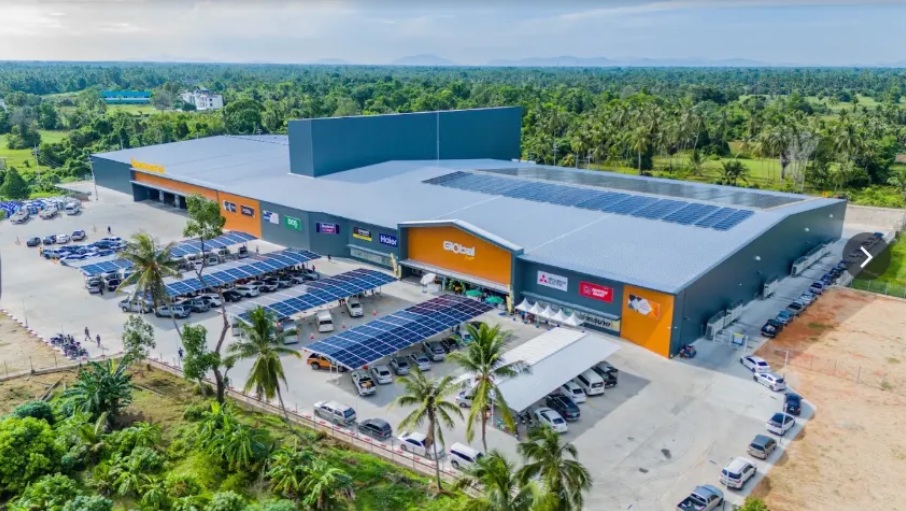
THE recent assault on the Global House hardware and furniture store in tambon Bana, Muang district of Pattani, marks a striking escalation in Thailand’s long-running southern insurgency.
On the evening of 29 August 2026, shortly before 7 pm, five masked gunmen arrived on two motorcycles and one fitted with a sidecar.
Armed with assault rifles and handguns, they quickly subdued the security guards at the entrance.
Two of the men entered the store and ordered staff and customers to evacuate immediately.
One attacker reportedly told a guard, “If you do not want anyone to be killed, hurry and get everyone out of the store.”
Global House Pattani
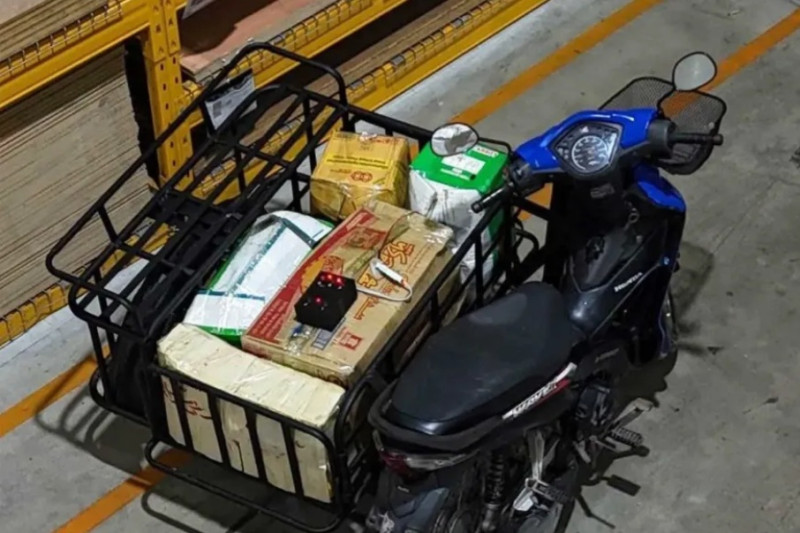
The group then planted three explosive devices at different points inside the building while the fifth man left the loaded sidecar in the loading area.
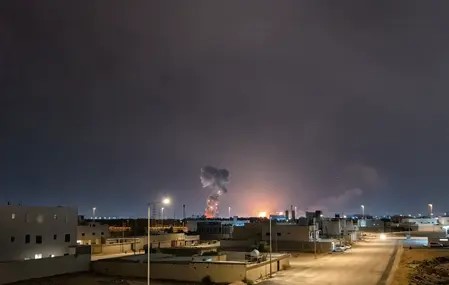
The attackers fled on their motorcycles. Roughly five minutes later, three bombs detonated inside the store. No one was killed or injured.
Bomb disposal teams later examined the abandoned sidecar.
It contained an improvised explosive device packed into a gas cylinder weighing nearly 50 kilograms, together with several gallons of petrol.
Officials assessed the device as a potential booby trap intended to detonate remotely once security personnel arrived.
Explosive ordnance disposal specialists spent about two hours rendering it safe. The motorcycle-sidecar combination and the coordinated nature of the attack demonstrated careful planning and a willingness to operate openly in a commercial setting with public witnesses present.
For more than two decades, insurgents in the Deep South have largely relied on “hit-and-hide” tactics, using ambushes, roadside bombs, and quick withdrawals that minimise confrontation with the public or prolonged exposure.
The Global House raid broke that pattern. The attackers entered a busy commercial premises, interacted with civilians and staff, issued verbal warnings, and only then triggered the explosions.
This visible, deliberate presence in a public commercial space represents one of the more brazen operations recorded in the current phase of the conflict.
The choice of target aligns with a broader pattern of strikes against economic infrastructure.
Global House is a large retailer of construction materials and household goods.
Damaging such a facility disrupts local commerce, raises operating costs for businesses, and signals that economic activity itself is a legitimate objective.
Recent weeks have already seen coordinated attacks on convenience stores, municipal offices, and other commercial or administrative sites across Pattani, Yala, and Narathiwat.
Global House Pattani
The cumulative effect is to undermine investor confidence and daily economic life in the three southern border provinces.
Security officials have linked the timing of the attack to the possibility of renewed dialogue.
Reports indicate that peace-related discussions involving parties linked to the Barisan Revolusi Nasional (BRN) and other interlocutors have been floated, with potential talks referenced in connection with Malaysia.
A high-profile, public operation of this kind complicates any claim by negotiating representatives that they can restrain or speak authoritatively for militant elements on the ground.
When groups capable of mounting such an action continue to operate independently of declared political tracks, the credibility of those tracks is inevitably weakened.
The incident also fits a wider upsurge in militant activity observed in late August 2026, including multiple bombings, arson attacks, and raids conducted across dozens of locations in a short period.
While the precise command structure and internal motivations behind the Global House assault remain unconfirmed, the operational signature, like open entry, civilian clearance, multiple planted devices, and a secondary vehicle-borne charge, points to growing confidence and a shift toward more assertive methods.
Whether this reflects a deliberate strategic recalibration or the actions of a more autonomous militant faction, the result is the same: heightened insecurity, damage to local economic life, and further obstacles to any meaningful political process. – August 31, 2026






.jpeg)