THE month of August this year tied the record for the world’s hottest month since records began, with global average temperatures exceeding 1.5°C above pre-industrial levels for the first time since November 2025, the EU’s Copernicus Climate Change Service (C3S) said on Thursday.
The global average surface air temperature reached 16.96°C last month, matching July 2023 as the highest recorded for any month and putting temperatures 1.65°C above the 19th-century pre-industrial average, before the widespread industrial use of coal, oil and gas.
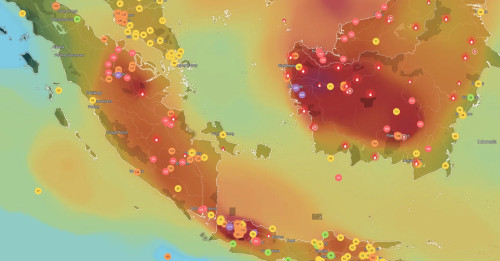
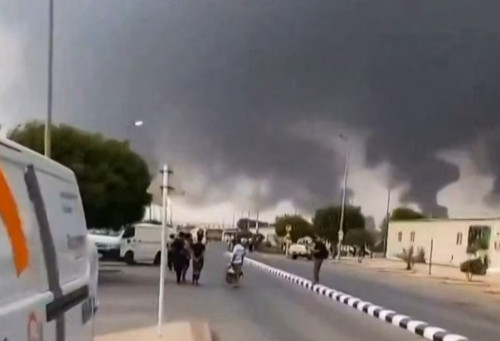
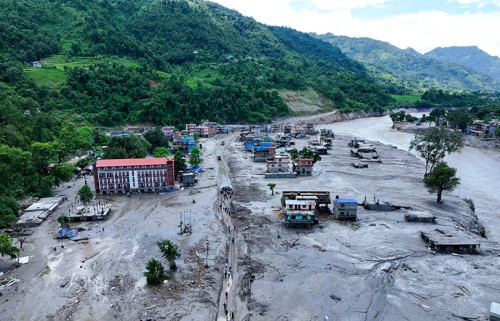
The latest heat record came as climate-related disasters intensified across the globe, with extreme floods and landslides in Nepal and China’s Tibet, wildfires from Indonesia to Greece and Belgium, and severe drought affecting Hungary and Romania.
Scientists have said human-caused climate change is the main driver of the planet’s rising temperatures and likely contributed to some of the extreme weather events seen in August, although the precise role is still being studied.
The 1.5°C threshold is particularly significant because the Paris Agreement’s nearly 200 signatories agreed to pursue efforts to limit long-term global warming to that level above pre-industrial temperatures.
August was the first month since November 2025 to exceed 1.5°C above the pre-industrial level.
However, the latest monthly breach does not mean the Paris Agreement target has technically been exceeded, as the 1.5°C goal refers to the global temperature averaged over decades rather than a single month. Long-term warming is currently estimated at about 1.4°C above pre-industrial levels.
The United Nations said last week that keeping long-term warming within the 1.5°C target was no longer possible and urged governments to accelerate cuts in carbon dioxide emissions to limit the extent and duration of any overshoot.
“We've really seen the impact across Europe of how maladapted we are, with roads melting, train lines buckling, schools closing, hospitals completely overwhelmed, and record wildfires for the time of year,” said Samantha Burgess, strategic lead at the European Centre for Medium-Range Weather Forecasts.
“The narrative around climate change has really transitioned from being quite an abstract concept that happens in a faraway place, to disrupting our daily lives,” she said.
Western Europe is emerging from its hottest summer on record, with many regions experiencing unusually low river flows and soil moisture after successive heatwaves since May damaged crops and added to pressure on farmers.
The extreme heat also extended to the oceans, with sea surface temperatures outside the polar regions tying the record high for any month, C3S said.
In the tropical Pacific, record-high temperatures were driven in part by the formation of an El Nino weather pattern, which is forecast to strengthen in the coming months and could push global temperatures higher.
C3S temperature records date back to 1940 and are cross-checked against global temperature records extending to 1850. - September 10, 2026









.jpg)