MALAYSIA has warned that further escalation of the conflict in West Asia could send fresh shocks through global markets and raise living costs for families far beyond the region.
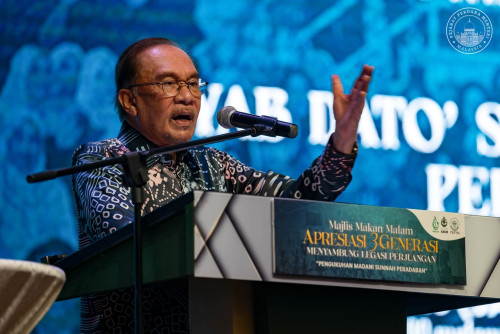
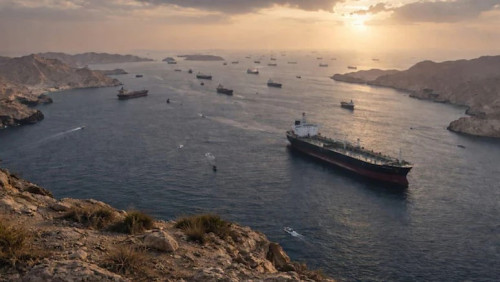
Foreign Minister Datuk Seri Mohamad Hasan said the conflict threatened major energy and trade routes, including the Straits of Hormuz and Bab el-Mandab, making its consequences global rather than confined to the countries directly involved.
“The effects of the conflict do not stop in this region. A family in Southeast Asia has nothing to do with the dispute.
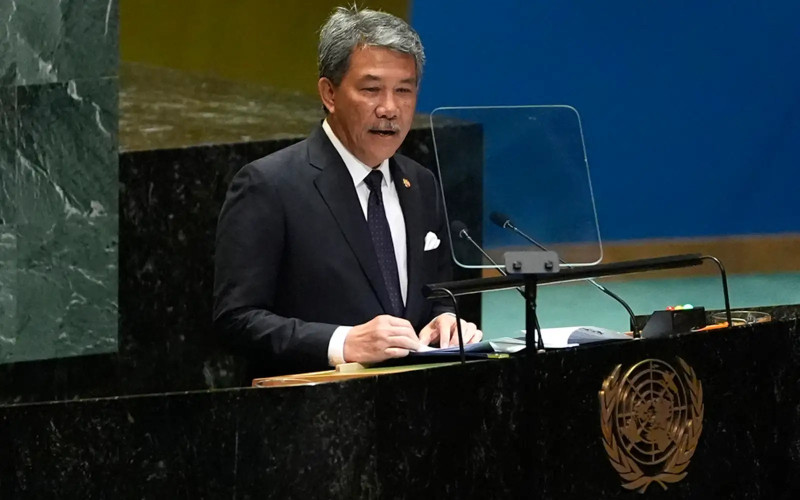
“Yet that family still bears the consequences when food prices, fuel prices and the cost of living rise,” he said in Malaysia’s National Statement at the 81st United Nations General Assembly (UNGA) General Debate in Doha today.
Mohamad urged all parties to step back from actions that could further heighten tensions, saying diplomacy and dialogue remained essential to preventing wider economic disruption.
“Otherwise, we risk triggering a new wave of shocks to global markets and unnecessarily causing suffering to innocent families around the world,” he said.
He said most countries at the UN were not major powers, but decisions made by a small number of countries could shape the future of the wider international community.
“We are the majority of the world.
“As I have said before, we cannot simply accept the consequences of decisions made elsewhere. We must help shape those decisions,” he said.
Mohamad said middle powers such as Malaysia could help keep dialogue going when major powers were unable to reach agreement.
He also said regional organisations such as ASEAN could bring the perspectives of their people into global discussions.
“We must have the confidence to speak on behalf of our region, rather than allowing others to speak for us,” he said. - September 27, 2026
.jpeg)