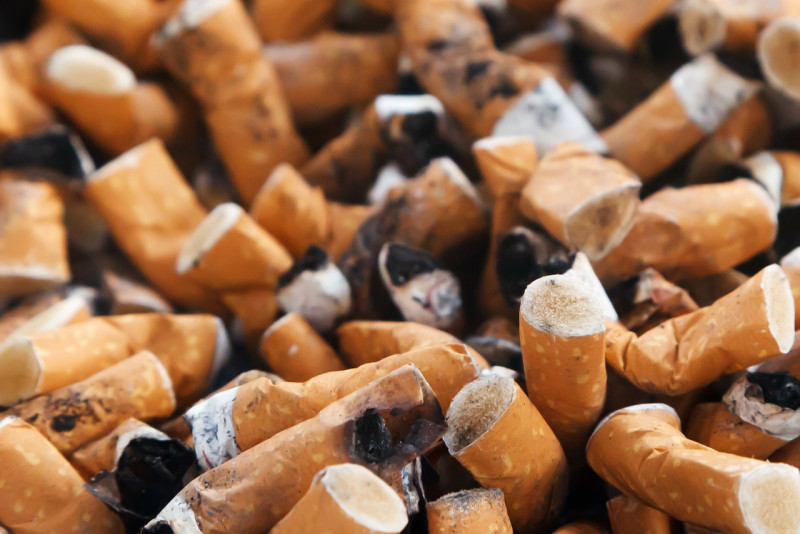
SAN FRANCISCO – Cigarette butts are one of the most littered items in the world. The filters they contain were a marketing strategy by tobacco companies in the 1950s to address health concerns. They offer no protection to smokers, but release 300,000 tonnes of microplastics each year.
A recent Californian bill aimed to ban single-use filters and single-use vaping products. But it was watered down, lawmakers backtracking on banning the single-use cigarette filter. In mid-May, the bill’s author ordered the proposal to be “inactive”, perhaps to try again in a more politically amenable climate.
“Extended producer responsibility” – allocating responsibility for environmental harm to the tobacco industry – may be the way forward. It would see policymakers impose a fee to address the costs of waste linked to cigarettes.
Tobacco companies might then modify their products to minimise negative impact. Policies to reduce microplastic waste are another option.
Tobacco companies are aware of the environmental impact of filters, but they have not developed biodegradable replacements. They also want to prevent any sort of “litter tax”, as part of their overall efforts to oppose taxation.
In 2009, the city of San Francisco imposed a tobacco-product litter levy. But then the tobacco industry supported a state law requiring a two-thirds majority for new levies, and other localities in California were pre-emptively prevented from following San Francisco’s example.
To deflect criticism, tobacco companies deployed a public relations and marketing campaign focused on “clean-up” efforts in high-visibility areas such as beaches. These widespread campaigns do not address the environmental problems related to toxic tobacco-product waste – or the source of the pollution.
And the butts collected, just a fraction of the total, are still toxic waste.
Complications posed by e-cigarettes, single-use devices
Lawmakers globally are moving to ban smoking in beaches and parks, but the tobacco companies will likely seek to derail these bids to denormalise tobacco use. Following a playbook of ineffectual activities that hamper policy implementation, the companies will continue to establish “partnerships” with local authorities while doing all they can to prevent real change.
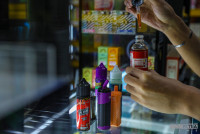
The rise of e-cigarettes makes tobacco-product waste even more complicated. Where cigarettes contain plastics, e-cigarettes are made of plastic, metal and electronic components, including batteries. The proper disposal of millions of devices, including single-use devices, is yet to be widely measured or addressed.
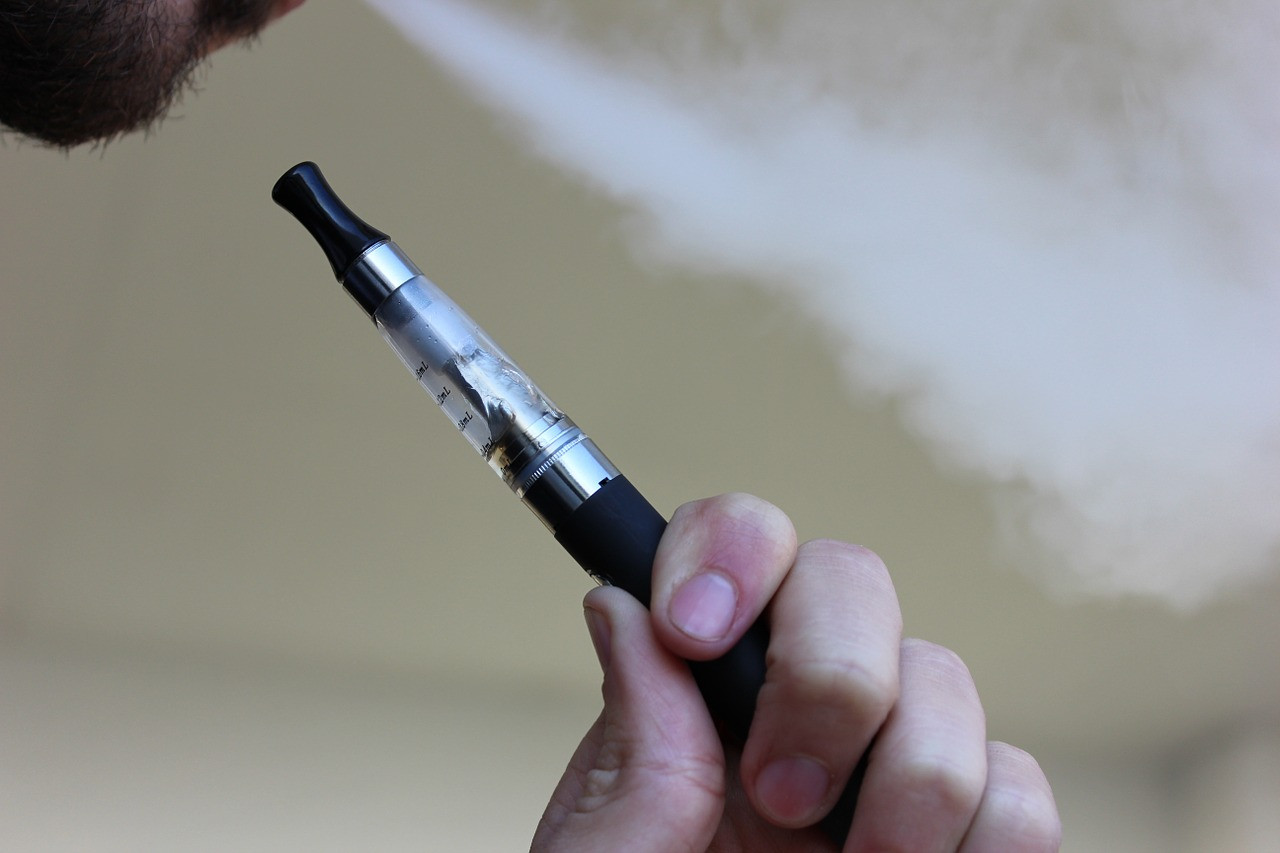
Cigarette butts and discarded e-cigarettes litter the grounds of schools, leaving officials with boxes full of what are officially declared “hazardous materials”. These need to be properly disposed of – a complex, time-consuming process, particularly for people whose expertise lies in education, not waste disposal.
And while US schools might have sufficient support and access to infrastructure, it is unlikely that such support is globally available.
Tobacco pollution remains a burden mostly borne by thousands of individuals, localities, schools and communities. If the public had better awareness of the environmental harms of cigarette filters, there might be more political pressure to act.
Meanwhile, the cost of clean-up is mostly unknown. One estimate placed the cost for 30 large US cities at US$264.5 million (RM1.15 billion) a year. Estimates for Australia are A$73 million (RM229.5 million) a year.
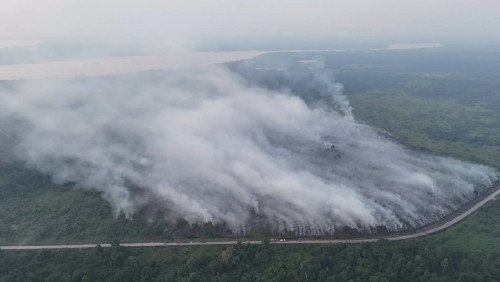
And these costs fail to take into account the costs and environmental harm associated with cigarette-related wildfires. – The Vibes, June 2, 2022
Stella Aguinaga Bialous is a professor at the School of Nursing, University of California San Francisco. She has over 30 years of experience in tobacco control
Published under Creative Commons and in partnership with 360info.org




.jpeg)