JAKARTA – Indonesia’s heavy-handed laws outlawing criticism of the government have been ushered in under the pretence of an epidemic of hoaxes and conspiracies.
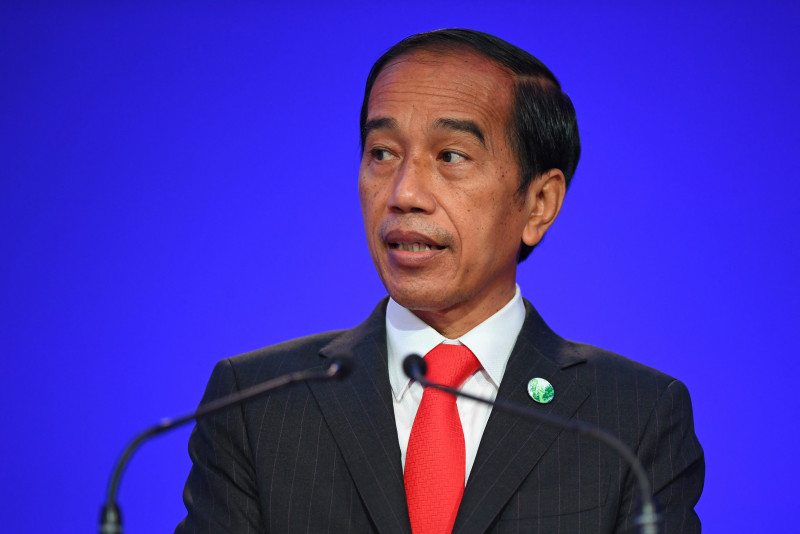
President Joko Widodo insists his government has been the victim of disinformation campaigns, causing unrest over employment reforms, Indonesia’s new capital city, and the sweeping penal code reforms set to be codified this year.
But the biggest propagator of disinformation seems not to be political renegades, but the Widodo administration. Fuelled by a well-resourced propaganda machine, the government is ready to fight dirty to win over public opinion.
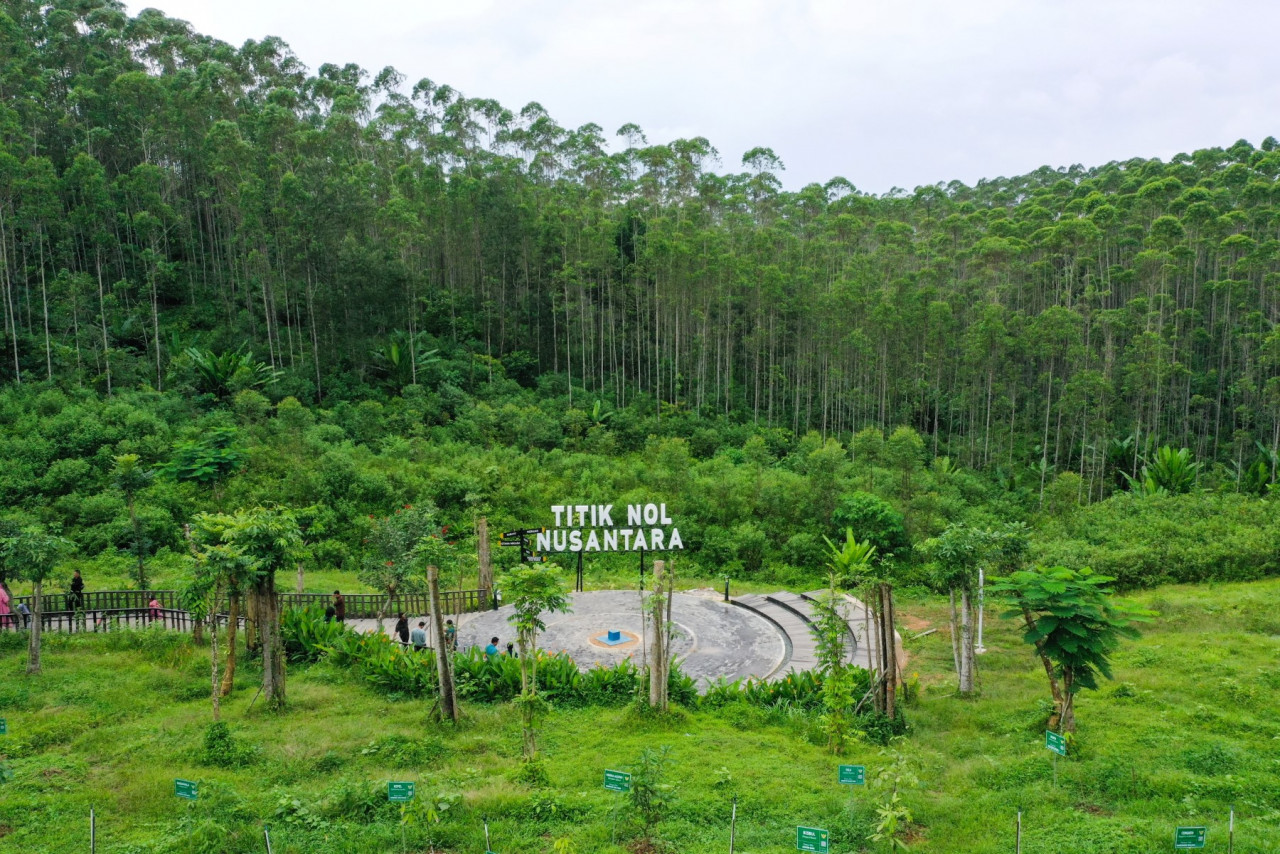
With 12 months before the election, Widodo has two priority policies that are mired in controversy – building a new capital city and penal code reform. The government is pressing ahead.
It is usually not wise for a democratically elected government to be so dismissive of public concerns, but Widodo’s government has developed a winning playbook since coming to power in 2014: delegitimise critics and flood online chatter with counter-messaging from state officials.
Most recently, Indonesia’s Director-General of Information and Public Communication Usman Kansong told hundreds of government public relations officials their work to promote the new penal code in 2023 would be vital.
Scholars and civil society groups worry the code is a setback to Indonesia’s democracy, outlawing insults aimed at the government and restricting what can be taught in schools. They fear the provisions will be wielded to muzzle criticism of the government.
But former TV journalist Kansong told the room of officials there was nothing wrong with the code, the government just needed to more strategically communicate its content to the public.
When Widodo’s administration commits to “strategic communication”, it tends to mean amplifying its agenda and silencing criticism.
The government’s 2019 #SawitBaik campaign championed the palm oil industry during negotiations to export the product to the European Union, drowning out criticism of a forest fire at a large Indonesian palm oil plantation.
During the pandemic, the government hired “buzzer” – people who will push a cause online for hire – to push back against criticism of Widodo’s Covid-19 reopening plan.
This “single narrative” focus from the government has been seen over and over. Widodo dismissed a series of 2020 protests over employment law reforms, saying complaints were based on “disinformation and hoaxes spread through social media”.
There were genuine gripes with the bills: the law was unconstitutional and tabled without proper public consultation. After Widodo’s statement, sentiment on social media shifted away from rejecting the bill towards supporting the government.

The following August, minister Johnny Plate was more explicit, telling all government officials that no government messaging could contradict Widodo’s policies. After being elected in 2014, Widodo established a special public relations team (Tenaga Humas Pemerintah) to spread government narratives, disorient the public and silence criticism.
This team supported the government’s orchestration in countering public criticism and assuring that every government agency publishes social media posts to amplify the government policy.
In 2017, Widodo dialled up the PR machine, overseeing the creation of a government social media team that reached across agencies and institutions. Sinergi Media Sosial Aparatur Sipil Negara (Siman) was the government’s social media “special force” – a team whose duty was to combat online radicals and pranksters, and help the government’s messages go viral.
In reality, they sought to drown out any criticism of the state on social media. Any government employee could put themselves forward to join.
Going viral (“viralisasi”) was the message every government official heard over and over at workshops between 2017 and 2019, which were part of the recruitment process. In 2019, around 5,946 government officers were recruited as Siman troops through 42 workshops.
Siman is no longer as active as it was during the 2019 election and Tenaga Humas Pemerintah has folded. Indonesia’s Communication Ministry prefers to call upon the government PR association, drawing members from around 900 state apparatuses spread across agencies and institutions.
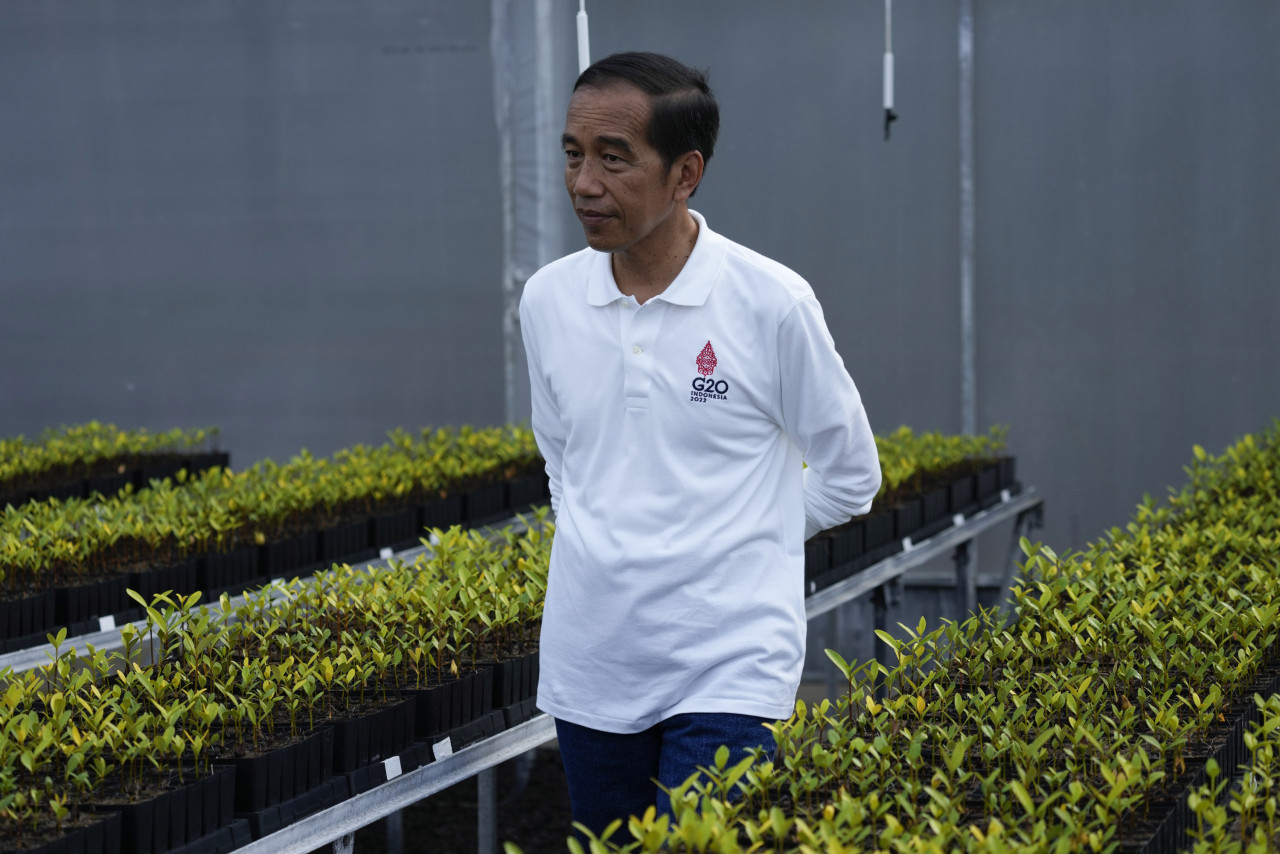
The government offers extra performance credits to those who push the government’s narrative online, which can be cashed in when applying for a promotion. PR officers who promoted Indonesia’s G20 presidency on their personal social media accounts were rewarded with a credit point – leading to an avalanche of pro-Widodo messages.
Widodo desires a single narrative (narasi tunggal) and a population that supports his policies unconditionally. The government’s information laws have already been used to target online activists, but the revised penal code could take the crackdown even further.
Public relations can serve a purpose in democracies – it can act as a bridge between the government and the people, helping open up lines of communication between the government and marginalised groups they serve.
But when governments use their PR muscle to shut down opposing voices and add to the swirl of disinformation, it can drive democracies backwards.
Based on the Widodo administration’s messaging around the G20 and employment reforms, the risk of severe state-sponsored disinformation this year is high as the government presses state officials to “promote” the controversial penal code.
During Widodo’s reign, the government has orchestrated a state narrative on every policy and – with more on the line than ever in an election year – there’s no sign of it slowing down. – The Vibes, January 16, 2023
Ika Idris is an associate professor in public policy and management at Monash University Indonesia.
Laeeq Khan is associate professor at the School of Media Arts and Studies at Ohio University.
Nuurrianti Jalli is assistant professor in Communication Studies at Northern State University.
Originally published under Creative Commons by 360info.org