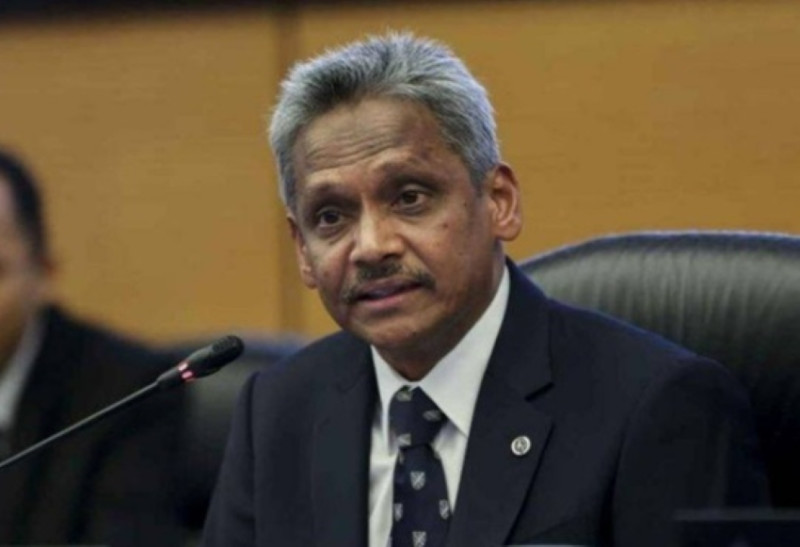
ASEAN governments must move swiftly to mitigate the impact of retaliatory tariff measures by tightening rules of origin, addressing weaknesses in vessel transhipment practices and developing immediate protections against trade diversion, Bank Negara Malaysia Governor Datuk Seri Abdul Rasheed Ghaffour has said.
He stressed that such steps are essential to facilitate smoother trade flows and manage excess capacity within ASEAN and its surrounding regions.
“In the longer term, the priority is to deepen regional integration and uphold multilateralism in a pragmatic manner.
This means accelerating the implementation of various trade agreements such as the upgraded ASEAN Trade in Goods Agreement (ATIGA), the Regional Comprehensive Economic Partnership (RCEP) and the Digital Economy Framework Agreement (DEFA), which will soon be concluded,” he said in his keynote address at the 48th Annual Conference of the Federation of ASEAN Economic Associations.
These agreements, he noted, would help ASEAN strengthen intra-regional sourcing, reduce business costs and enhance both trade and investment flows among member states.
Abdul Rasheed emphasised that ASEAN’s relationships with China, Japan and South Korea extend beyond cultural ties, forming intricate value chains across multiple industries.
“Institutions such as the Asian Infrastructure Investment Bank have committed as much as US$50 billion to climate-related projects across ASEAN, while the Japan–ASEAN Integration Fund has provided more than US$894 million in grants for economic integration, disaster management and human capital development since 2006,” he added.
Beyond Asia, ASEAN must also reinforce partnerships with the European Union and Latin America, both of which offer clear pathways to diversify cooperation and cultivate new growth opportunities.
ASEAN–EU trade now exceeds US$200 billion annually, making ASEAN the EU’s third-largest trading partner outside Europe. Although ASEAN’s trade with Latin America remains smaller—about US$32 billion—the governor said the region holds significant untapped potential.
The call for greater clarity, stronger enforcement and deeper integration reflects growing concern within ASEAN over the global trend towards protectionism and supply-chain fragmentation, underscoring the bloc’s need to position itself as a resilient and competitive economic hub. - November 19, 2025