MALAYSIA’S inflation is expected to remain low and steady in the near term, although the broader application of the Sales and Service Tax (SST) may contribute to slight upward pressure, according to MBSB Investment Bank Bhd (MBSB IB).
The bank noted that this impact could be partially mitigated by the continuation of the RON95 fuel subsidy, a stronger ringgit, and easing global food prices.
Nevertheless, MBSB IB cautioned that excluding micro, small, and medium enterprises from the targeted Budi95 fuel subsidy could pose upside risks, as higher fuel costs may eventually be passed on to consumer prices.
The bank also highlighted the country’s producer price index (PPI), which fell by 1.8 per cent in November 2025, down from a 0.1 per cent decline in October, marking the steepest monthly drop since August and extending a nine-month period of deflation.
“The decline was largely driven by a sharp drop in prices within the agriculture, forestry, and fishing sector, which fell by 9.7 per cent year-on-year, notably affected by a 16.2 per cent decrease in the growing of perennial crops index,” MBSB IB noted in a statement.
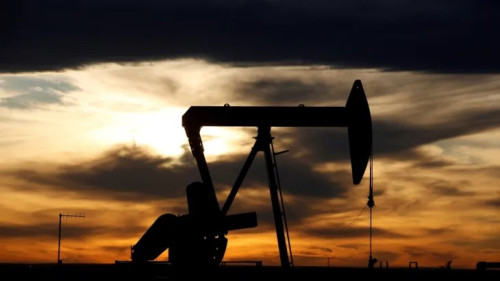
The mining sector also experienced deeper PPI deflation, dropping 7.2 per cent year-on-year, led by a 5.5 per cent decrease in crude petroleum extraction and an 11.4 per cent fall in natural gas prices.
Overall, MBSB IB said these developments underscore a generally subdued inflationary environment in Malaysia, with sector-specific deflation contributing to moderation in overall price pressures, even as policymakers remain attentive to potential cost pressures from tax adjustments and fuel subsidies. - December 30, 2025