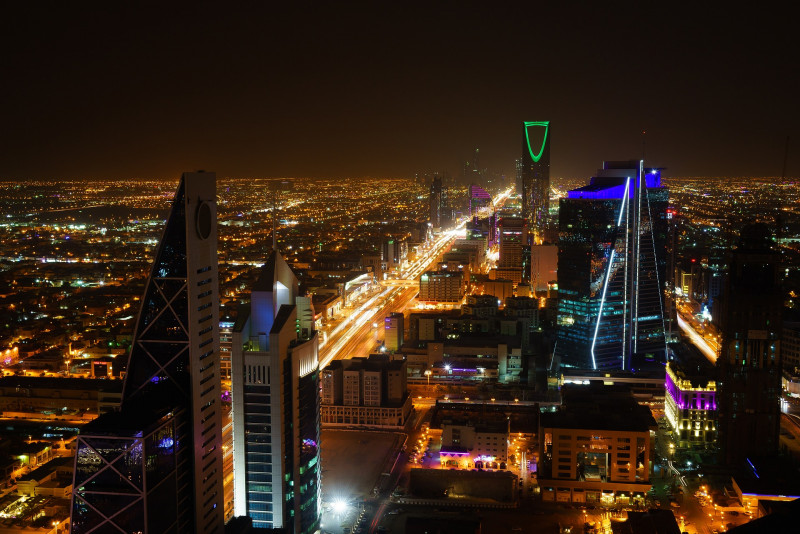
RIYADH – Saudi Arabia yesterday heaped pressure on foreign companies to move their Middle East headquarters to the kingdom, saying it will stop signing contracts with firms with hubs in other countries from 2024.
The bold ultimatum could intensify competition for business and foreign capital between the kingdom and other Gulf states, especially its principal ally the United Arab Emirates, as they reel from an economic slump.
“Saudi Arabia intends to cease contracting with companies and commercial institutions with regional headquarters not located in the kingdom,” the official Saudi Press Agency (SPA) reported, citing an unnamed official source.
“The cessation will include agencies, institutions and funds owned by the government and will take effect January 1, 2024.”
The decision seeks to “create more jobs, limit economic leakage, increase spending efficiency and guarantee that the main goods and services purchased by the different government agencies are made in the kingdom”, it added.
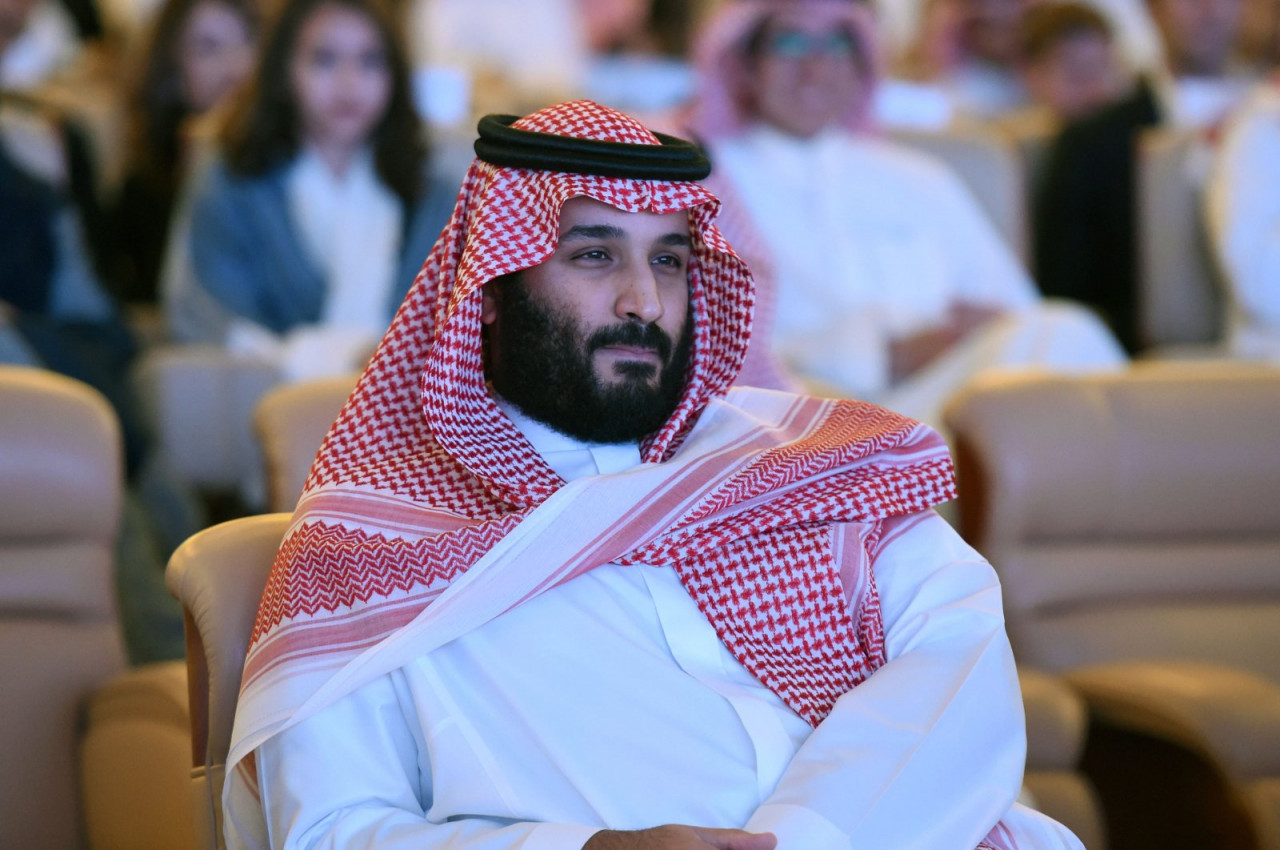
Saudi Arabia, the biggest Arab economy, has been struggling to attract foreign investment, a key pillar of Crown Prince Mohammed Salman’s “Vision 2030” economic diversification plan to boost non-oil revenue.
Many multinationals doing business in the conservative kingdom prefer to have their regional headquarters in the neighbouring UAE and other glitzy Gulf capitals that offer a relatively more liberal lifestyle and permit alcohol.
Under a previous government initiative known as “Programme HQ”, Saudi Arabia – which has sought to shake-off its austere image by allowing cinemas, concerts and sporting extravaganzas – offered multi-national companies tax breaks and incentives to relocate their Middle East headquarters to the kingdom.
Twenty-four international companies declared their intent to relocate their headquarters to Riyadh at last month’s Davos-style Future Investment Initiative forum in the capital, SPA said.
‘Commercial challenge to UAE’
Yesterday’s announcement “will not affect any investor’s ability to enter the Saudi market or to continue their business with the private sector”, SPA said.
But the decision will pile pressure on private sector companies heavily dependent on lucrative Saudi government contracts.
“Pressing multinationals to establish headquarters in Saudi Arabia centres upon the belief that foreign companies benefitting from the Saudi market should bolster their physical presence in the country,” Robert Mogielnicki, a resident scholar at the Arab Gulf States Institute in Washington, told AFP.
“This is ultimately a reevaluation of the sustainability of Saudi Arabia’s economic development model and not an intentional commercial challenge to the UAE. If done successfully though, it is likely to have a commercial impact on the UAE.”
The announcement comes as the petro-state battles high unemployment and a coronavirus-triggered downturn.
Joblessness in Saudi Arabia touched 14.9% in the third quarter of 2020, dipping slightly from an all-time high of 15.4% in the previous quarter, official data showed last month.
The crown prince said in January that Saudi Arabia’s sovereign wealth fund will invest US$40 billion (RM161 billion) annually in the domestic economy over the next five years, as the kingdom seeks to boost job creation and revive businesses decimated by the pandemic.
Last year, the twin shocks of the pandemic and a drop in oil prices prompted the top crude exporter to triple its value-added tax and suspend a monthly allowance to civil servants to rein in a ballooning budget deficit.
The highly unpopular austerity measures were implemented even as the kingdom continues to boost spending on a slew of megaprojects, including the planned US$500 billion NEOM megacity on the kingdom’s Red Sea coast. – AFP, February 16, 2021