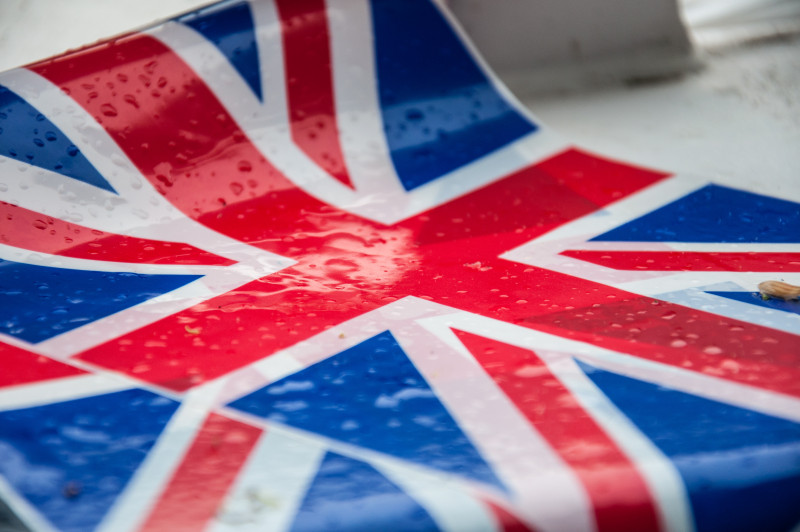
LONDON – Britain will build what it is calling a new “national flagship” vessel to host trade events and promote its post-Brexit interests around the world, announced Prime Minister Boris Johnson yesterday.
The ship will provide a global platform for high-level trade negotiations, as well as British businesses’ products, said his office, as the United Kingdom seeks new trading ties after leaving the European Union last year.
It will also be expected to play a role in delivering the country’s foreign and security policies, including by hosting summits and other diplomatic talks.
It will be the first so-called national flagship in service since 1997, when the Royal Yacht Britannia was decommissioned.
However, Johnson insisted that the new vessel’s role will be “distinct” from those of forerunners, “reflecting the UK’s burgeoning status as a great, independent maritime trading nation”.
“Every aspect of the ship, from its build to the businesses it showcases on board, will represent and promote the best of British – a clear and powerful symbol of our commitment to be an active player on the world stage,” he said in a statement.
The ship’s construction is expected to begin in 2022 and be completed within four years, with its costs confirmed following a competitive tendering process, according to Johnson’s office.
The vessel, yet to be named, will be crewed by the navy and earmarked for around 30 years’ service.
The government is likely to face calls to name it after Prince Philip, Queen Elizabeth II’s late husband and a former navy commander, who died last month aged 99.
Britain formally left the EU in January last year after nearly five decades of membership, and quit its single market and customs union at the start of 2021.
It has replicated or rolled over existing trade agreements with the bloc, Japan and several other countries, but yet to strike an entirely new deal with any nation.
London is currently in advanced discussions with Australia, and has held initial talks with India, New Zealand and the United States on future pacts. – AFP, May 30, 2021



.jpg)