Business

6 states resist pandemic pitfalls to see total trade rise in 2020

They are Penang, Sabah, Pahang, Kedah, Kelantan and Perak

Updated 5 years ago · Published on 08 Jun 2021 1:40PM

6 states resist pandemic pitfalls to see total trade rise in 2020
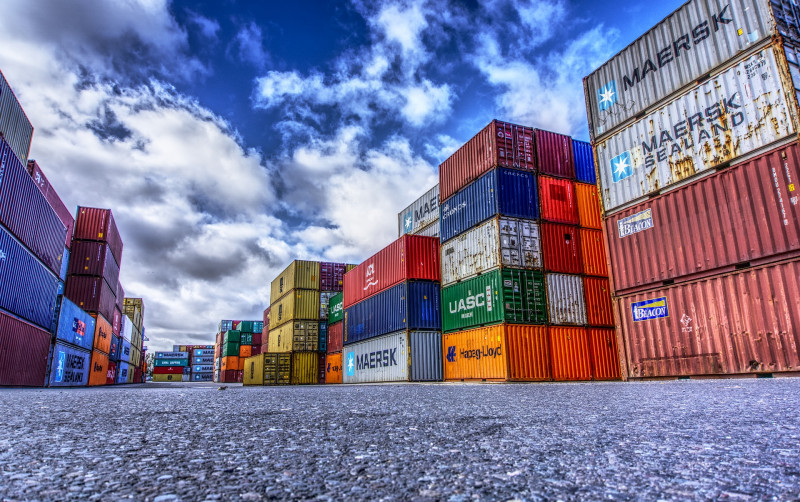
Five states that dominated Malaysia’s export are Penang, Johor, Selangor, Sarawak and Perak, accounting for 80.5% of the country’s total. – Pixabay pic, June 8, 2021

KUALA LUMPUR – Six states recorded an increase in total trade amid a 3.6% decline in Malaysia’s trade to RM1.78 trillion last year, despite the Covid-19 pandemic affecting global trade, the Statistics Department (DOSM) said.

Chief statistician Datuk Seri Mohd Uzir Mahidin said the six states are Penang (+RM38.6 billion), Sabah (+RM4.5 billion), Pahang (+RM3.5 billion), Kedah (+RM3.0 billion), Kelantan (+RM969.7 million) and Perak (+RM294.8 million).

“Five states that dominated Malaysia’s export were Penang (31.8%), Johor (20.0%), Selangor (18.9%), Sarawak (6.7%) and Perak (3.2%). The contribution of these five states accounted for 80.5% of Malaysia’s total exports,” he said in a statement today.

Uzir noted that Malaysia’s exports last year were valued at RM981.0 billion, down 1.4% compared with RM995.1 billion in 2019, while imports decreased 6.3% to RM796.2 billion in 2020 from RM849.4 billion in the previous year.

He said the decline was due to lower exports, mainly by Sarawak (-RM15.5 billion), Selangor (-RM11.3 billion), Johor (-RM5.3 billion), Sabah (-RM4.2 billion), Kuala Lumpur (-RM3.4 billion), Terengganu (-RM2.8 billion), Negri Sembilan (-RM2.3 billion), Labuan (-RM2.1 billion), Kedah (-RM0.4 billion) and Perlis (-RM0.1 billion).

“However, the value of exports increased in Penang by RM28.4 billion, Pahang (+RM3.4 billion), Perak (+RM2.0 billion), Melaka (+RM0.5 billion) and Kelantan (+RM0.1 billion),” he said.

At the same time, the decline in imports was induced by lower imports from Selangor (-RM23.7 billion), Johor (-RM19.7 billion), Kuala Lumpur (-RM10.2 billion), Melaka (-RM9.7 billion), Negri Sembilan (-RM6.1 billion), Terengganu (-RM1.8 billion), Perak (-RM1.7 billion), Sarawak (-RM1.2 billion), Perlis (-RM0.5 billion), and Labuan (-RM0.2 billion).

Penang, meanwhile, recorded higher imports of RM10.2 billion, followed by Sabah (+RM8.6 billion), Kedah (+RM3.4 billion), Kelantan (+RM0.9 billion), and Pahang (+RM0.1 billion). – Bernama, June 8, 2021


Related News

Places / 1mth

Penang makes National Geographic list of top 25 cities worldwide to visit

Events / 1mth

Penang CM leads investment, trade mission to the US

Malaysia / 2mth

A review of SG4 two years in and its hopes

Malaysia / 4mth

DOSM: May unemployment rate remains at 3 per cent

Opinion / 4mth

Andy Burnham and a new Britain: Why we  should pay attention

Malaysia / 5mth

Selangor still Malaysia’s top economic engine, DOSM data counters political claims

Spotlight

Malaysia

Disputed Sungei Ujong Undang to face sedition charge tomorrow

Malaysia

Cabinet to weigh US tariff threat as Malaysia defends 19% trade ceiling

Malaysia

Announcement on Negeri MB will come from Istana – Ahmad Zahid

Malaysia

Inspector Sheila challenges police dismissal over alleged denial of fair hearing

Malaysia

Drug syndicate moved 3 tonnes of syabu worth RM156m through RMAF bases in Sabah

Malaysia

Fire destroys 90 per cent of Putrajaya apartment unit

Malaysia

Govt studying age restrictions, verification measures for online gaming platforms

Malaysia

40,214 cyberbullying-related posts removed as MCMC steps up child safety enforcement

You may be interested

Business

Matrix Concepts founder honoured as FIABCI Malaysia Property Man of the Year 2026

Business

SMEs face higher costs as LHDN stamp duty interpretation covers purchase orders, quotations

Business

South Korean robotic parking company explores opportunities in Malaysia

By Ian McIntyre

Business

MAG to add 10 Boeing Dreamliners in long-term fleet expansion drive

Business

Oil prices holds above US$80 as Hormuz attacks heighten supply concerns

Business

Oil prices rebound on Middle East supply fears