.jpg)

SANDAKAN – A notice reminding the fisheries sector to pay its outstanding state sales tax (SST) by January 28 has set off industry players in Sabah, with them accusing the state government of breaking its promise.
Fishermen said the GRS-led Sabah government had promised to postpone the implementation of the SST on fishery commodities exports from Sabah.
Sandakan Tong Kang Fisheries Association deputy chairman Ng Chi Tshung told The Vibes that industry players received a notice from the state Finance Ministry dated January 5, reminding that outstanding SST payment from May to December must be fully paid by January 28, this year.
“All of us are shocked by this notice because state Agriculture and Fisheries Minister Datuk Seri Jeffrey Kitingan had announced in August that the SST on fisheries export will be postponed until the Covid-19 situation improves.
“Because of this, we have operated and exported our goods normally, thinking that SST will not be imposed after Jeffrey’s announcement in August.
“Now the government is suddenly demanding us to pay the SST from May to December. Was it not postponed in August? What is happening?” he questioned.
Last year, the Sabah government had on April 28, sent instructions to seafood exporters that the tax will be imposed on seafood exports, specifically 5% on fish, and 10% on crabs and lobsters, beginning May 1.
Exporters were given a three-month grace period, which ended on July 31.
At the time, Sabah’s fishery operators including fishermen and ship operators unanimously decided to go on a strike called “mogok lautan”, saying that the tax had made exporters purchase their fish at a much lower price to cover the cost of the SST.
This had resulted in Jeffrey, who is also Sabah deputy chief minister, to issue a statement on August 6, stating while the government cannot repeal the tax, they can postpone its implementation.
Ng said the government had given false hope to all players in the fisheries sector, who had from August to December purchased fish from fishermen at a low price and continued with their export activities without taking into account the cost of SST.
“Now, what happened has happened? We cannot go back to the fishermen asking for a refund because the government is charging SST. This notice also came in suddenly; it is an unexpected huge cost that we have to pay in a lump sum. I don’t think all operators will be able to afford it.”
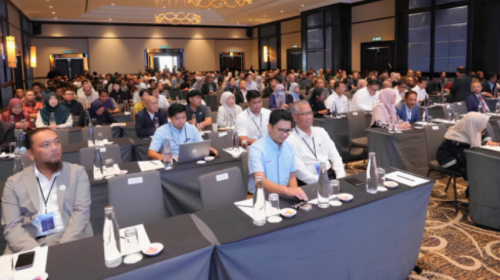
Ng revealed that last month, several fisheries associations in Sabah have received an invitation from the state Fisheries Department for a dialogue session between fisheries operators and the government on the implementation of SST.
The dialogue sessions were supposed to be conducted in Kota Kinabalu, Tawau, and Sandakan, but were cancelled.
“It was our last resort to tell the government the problems we face with SST and why it must not be implemented. But, for reasons we do not know, the sessions were cancelled; then we were slapped with a notice asking us to pay for eight months of SST for last year.”
Ng said the SST will “kill” the fisheries sector in the state as the operators who are unable to pay for the cost of SST will purchase fish from local fishermen at a lower price.
“Soon, both fishermen and exporters will see no profit in the sector, and the sector in Sabah will die.”
Meanwhile, DAP’s Sandakan MP Vivian Wong, who learned of the situation through fisheries players here, had strongly denounced the state government’s latest move, which she said was a clear renege on the decision to postpone the implementation of the SST.
“It is absolutely unfair to force the industry to cough up backdated SST payments when the government itself announced the postponement of the SST last year. I believe the industry has been misled and the authority is holding industry stakeholders for ransom by refusing to let their container shipment be exported until the full payment is settled.
“The fishery industry is struggling badly due to the continuous lockdowns since last March, and exports to China have also declined dramatically due to increasing restrictions by the health authority in China over Covid-19 concerns.
“To make matters worse, up until now, foreign vessels from Hong Kong are still banned by the state cabinet from coming into Sabah for fish export shipment, even though they are allowed to do so in other parts of the country.
“Thus, the only avenue to market our seafood is through export to peninsular Malaysia. Yet, Sabah chooses to become the only state in the country that imposes sales tax for selling in the domestic market,” she said in a statement yesterday.
Wong also said the SST will not only affect seafood export companies but thousands of local fishermen as the entire supply chain will be impacted.
“Under such dire situations, the state government’s push to go ahead with the introduction of the SST shows how little they care for the suffering of the industry. This is the time when the state government should be helping the industry, not taxing them and driving them to further collapse.
“I strongly urge the government to organise dialogues or engagement sessions with relevant stakeholders on this issue immediately, to hear the suffering industry out, and to support the industry to recover from the current downturn.” – The Vibes, January 15, 2022