SIEM REAP – Trapped under a mountain of crippling debt, Cambodian farmer Roeurn Reth fears that she will have to sell her land to repay micro-finance loans that have ballooned due to pandemic-spurred job losses in her family.
What started as a US$3,000 (RM12,370) sum from a loan shark for her son’s wedding has now grown to about US$7,000, she said – the result of additional financial needs that have cropped up.
Her sons – who crossed illegally into neighbouring Thailand – previously sent money home to help with repayments, but they are now out of work.
“Because of Covid, we could not find jobs... and my sons do not have money,” she told AFP outside her modest home here.
“Now, I cannot clear my debts.”
Roeurn Reth, 50, is among more than 2.6 million Cambodians who have turned to micro-finance because of limited access to traditional banking.
But in poor countries with little regulatory oversight, the practice has come under fire for predatory tactics including targeting rural villages where residents have limited financial acumen.
In Cambodia, where the average yearly income is a meagre US$1,700, borrowers last year racked up a total debt of US$10 billion to micro-finance lenders.
This puts the kingdom at an average loan of US$3,804 per person – the highest amount in the world, according to local rights group Licadho.
A lack of enforcement has illegal lenders offering “throat-slittingly high” interest rates of up to 30% over a year, said Licadho’s Am Sam Ath.
The informal lending industry has long been a complicated issue for the kingdom, he said, with Cambodians turning to licensed micro-finance institutions to repay private lenders, only to find themselves trapped in a cycle of debt to more lenders.
“With the Covid pandemic and floods in the rural areas, people face double the trouble, with more difficulties over debts.”
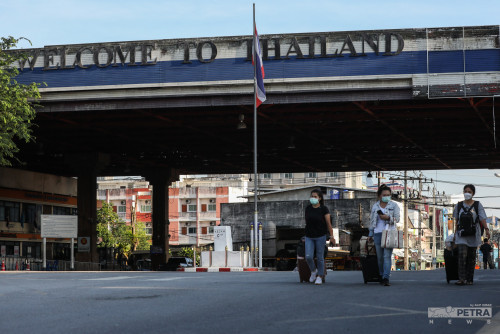
While Cambodia has recorded only around 300 Covid-19 cases, the pandemic has seen tens of thousands of migrant workers returning from Thailand as jobs have dried up, putting families living pay cheque to pay cheque under strain.
In desperation, Roeurn Reth and her husband travelled from their sleepy village of Trapeang Veng to the capital, Phnom Penh, to look for jobs at construction sites, only to be rejected because of their age.
Today, more than three-quarters of Trapeang Veng's 113 families owe a total US$300,000.
Human rights groups have called for the government to put a freeze on repayments, and demanded lenders return more than a million land titles held as collateral.
Some 270,000 Cambodians have had their loans restructured in recent months to cope with the economic fallout from the coronavirus, said National Bank of Cambodia director Chea Serey. – AFP, November 15, 2020