KOTA KINABALU – Banning exports is not the answer to the consumer goods price hike in Malaysia and must not be seen as a long-term solution, said World Bank Group lead economist Apurva Sanghi.
He said although the move can give a degree of control of the price hike, continuing the export ban on consumer goods over the long term will do more harm than good to the country and economy.
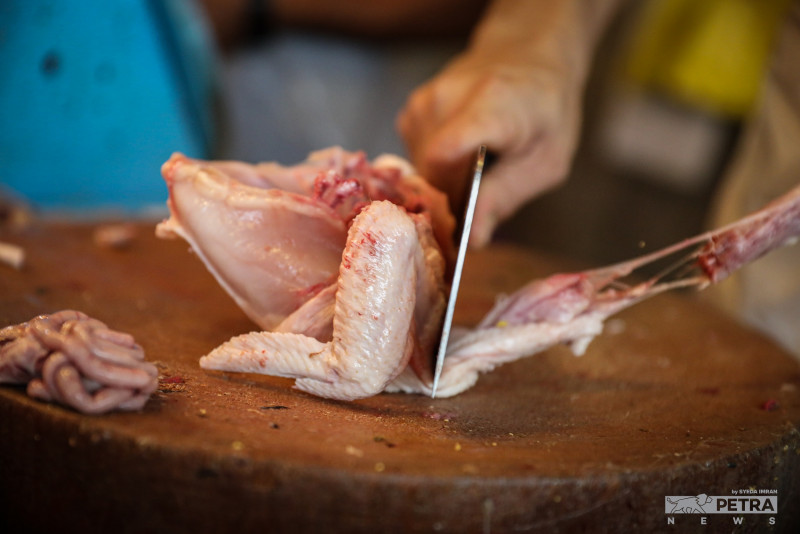
Giving an example, he said the chicken export ban had caused a domino effect, including the chicken shortage in Singapore.
There have been reports of late that Singapore is seeking to source chickens from other countries other than Malaysia, such as Brazil.
“An export ban (may) help control prices and seemingly increase the availability of food, in this case chickens, but Malaysian producers would be denied a wider market and a higher price for their products.
“When producers are denied from benefiting from higher prices, they will reduce investments domestically,” he said in an online press conference today.
Apurva noted that the poor who rely on farming will also be hurt in the process because the benefit from lower prices is outweighed by their declining income, while the average income of a farming household in Malaysia is less than a typical B40 household.
The press conference was held in conjunction with the launch of the Malaysia Economic Monitor report entitled “Catching Up: Inclusive Recovery and Growth for Lagging States” scheduled for this Thursday in Kota Kinabalu.
Also present at the press conference was World Bank country manager for Malaysia Yasuhiko Matsuda.
Apurva said it is not easy to provide a definitive answer to the problem, but a focus on increasing food production, promoting food security, and tapping into digitalisation can help Malaysia overcome the hike in prices.
He said it is interesting that 88% of agricultural projects (in Malaysia) focus on rice and are rice-related; 40% to 45% of subsidies go towards rice imports, and rice production in Malaysia is falling.
“So the provision of subsidies is something that has to be looked into.”
Apruva said the war in Ukraine had shown that Malaysia has to look for alternatives for products which have been affected by the war, such as fertiliser, to lower food production cost.
Meanwhile, Matsuda said investments in public infrastructure and human capital are vital for states lagging in the country, such as Sabah and Kelantan, if their economies are to recover well in the post-Covid-19 pandemic era.
He said Sabah is currently an agricultural producer and over the long run, Sabah can diversify and catch up with industrialisation, attracting more investments from other countries.
“Right now, there are investment opportunities from China, but is the state ready to be an investment destination?
“Investments in public infrastructure and human capital – especially in education – are important. So this is an important policy question for the government,” he said. – Bernama, June 13, 2022