NARA – The city of Nara, in Japan’s Nara prefecture, eyes expanding its relationship with Malaysia and exploring business collaborations in the food and related industries.
The city’s mayor, Gen Nakagawa, said Nara, as the birthplace of Japanese culture and the first ancient capital of Japan, would like to introduce the characteristics of its food culture and the diversity of its local cuisine to overseas markets, including Malaysia.
“Many items, such as Japanese tea, noodle, rice wine, ink stick, and paper, in Japan came from China to Nara through the Silk Road over a thousand years ago,” he said in a recent interview in conjunction with the Nara food promotion programme organised by the Japan External Trade Organisation (Jetro).
The Nara food promotion programme has focused on building a business relationship between Nara food producers and potential Malaysian buyers.
Nara Jetro is also planning to organise a Nara food fair in Kuala Lumpur by February next year to create a sales channel for the Japanese city’s products and attract more Malaysian customers.
Nakagawa pointed out that one of the unique characteristics of Nara products and tourism was that both Asian cultural tastes and Japanese cultural origin could be experienced as a historical and cultural crossroads.
He said while many items originated from China, Nara had infused its unique characteristics in many of its food products, such as “kakinohazushi”, which is sushi in persimmon leaves, and the famous Nara sweets made from kudzu (Japanese arrowroot).
“We would like to introduce Nara food products to the Malaysian market as unique items which have the origin of Japanese culture and roots of China and the Silk Road,” he said.
Nakagawa hoped that these products might invoke a “magnificent” historical image and that this would impact people with another cultural background.
“So we would like to co-create a good future of Asia with Malaysia by enhancing business relationships and strengthening cooperation with finding common points and synergy areas,” he said.
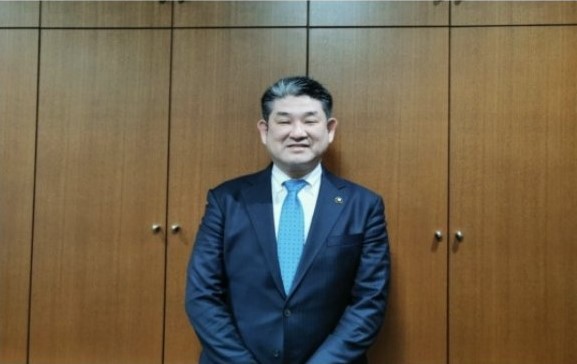
Nakagawa said from a macro perspective, Malaysia’s economic presence in Asia is growing, and Japanese companies still have a lot of potential in helping to solve social issues and improving living standards.
This, he said, would be supported by technology alliances such as those signed by national oil company Petronas with Japan’s Economy, Trade, and Industry Ministry and the Japan Bank for International Cooperation to pursue carbon neutrality as well as the implementation of retail business models such as that of Japanese firm Aeon.
Nakagawa said it was important to find synergistic win-win situations to achieve economic growth and benefit all stakeholders in every partnership.
Nakagawa also said it is important to strengthen ties by encouraging two-way tourism between Malaysia and Japan to promote a better understanding of both countries.
Nara to introduce its food culture, industry
Ikeri Co Ltd, a leading somen noodle producer in Sakurai city, in Nara prefecture, is looking for the opportunity to promote in overseas markets the prefecture’s miwa somen, the oldest type of Japanese noodle – dating back more than 1,200 years.
Ikeri planning department manager Koji Ikeda said he was looking forward to good cooperation with Malaysian distributors to create awareness on how somen dishes are prepared.
“There are no animal-based ingredients in the somen noodles as the ingredients are made of wheat, salt, and vegetable oil,” he said during a recent factory tour organised by Nara Jetro for a Malaysian importer and media representative.
Ikeda said Ikeri, which has been producing the super-thin somen noodles for over 170 years, has preserved the traditional hand-stretching method to maintain a smooth and delicate texture despite the advent of modern mechanisation.
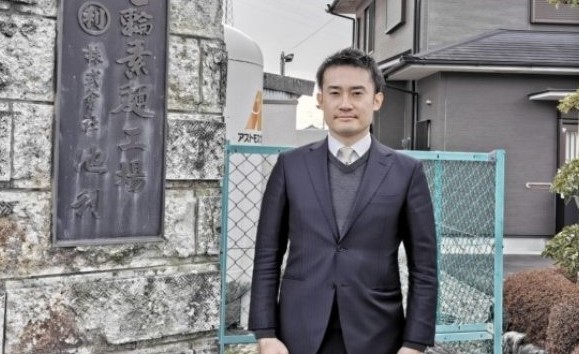
Meanwhile, Nishiki Soysauce Co Ltd sales director Sakae Ohgata said the company planned to introduce the firm’s various soy sauce flavours to the Malaysian market and seek out potential distributors or business partners.
He said the company has been producing its soy sauce since 1900, when it was founded by the Ohgata family, descendants of a samurai clan in Nara prefecture’s Ikaruga town.
“So far, we have exported to Europe, China, Hong Kong, and Taiwan, and we are looking at expanding to Malaysia,” he said during a tour of Nishiki’s plant in Nara.
Ohgata said among the firm’s various soy sauces are the iconic ponzu, which is based on citrus juice flavour, koikuchi (strong flavour), and usukuchi (lighter taste).
He said the Nishiki soy sauce yeast complex that determines the sauce’s flavour could be descended from yeasts that contributed to hishio, which has been called the ancestor of soy sauce first imported into Japan from mainland Asia.
Nara’s famous kakigori (Japanese shaved ice dessert) shop, Housekibaco, said it aims to bring to Malaysia another of Nara’s sensational specialities – based on ancient food culture dating back to the Nara period of 710 AD.
“The famous desserts come from Nara’s history where ice was offered to the emperor in a worship ceremony in the Himuro shrine,” owner Keiko Okada said during a tour of Housekibaco’s store recently.
Okada said many people enjoy kakigori in the annual ice festivals in Nara and it could be tailored to Malaysian tastes by mixing local ingredients into the dessert concoction. – Bernama, April 9, 2023